Mahadev Mahavidyalaya

Scholarly Articles

Thoughts, experiences and expertise shared by our respected teachers

The Economy of Emotions: How life Trades in Feelings
Vandana Singh

By: Vandana Singh

👁️ 76 unique views

ECONOMICS 12 Feb 2026
The Economy of Emotions: How Life Trades in FeelingsIn everyday life, we often think of economics as a world of numbers: income, expenses, profit, and loss. Yet beneath these measurable systems runs another economy — one that cannot be graphed easily but shapes every decision we make. This is the economy of emotions, a hidden marketplace where feelings act as currency, relationships as investments, and time as capital. Whether we realize it or not, life constantly trades in emotions.At its core, economics studies how people allocate scarce resources. In emotional life, our scarcest resources are attention, energy, and vulnerability. Every interaction involves a choice: where do we invest our care, our patience, our trust? When we give emotional support to a friend, we are spending emotional energy. When we forgive someone, we are absorbing a cost. When we build a relationship, we are making a long-term investment, hoping for returns in the form of love, loyalty, or belonging.Like financial markets, emotional markets are governed by risk and uncertainty. Opening up to someone carries the risk of rejection. Loving deeply carries the possibility of loss. Yet without risk, there is no meaningful gain. People who refuse to invest emotionally often protect themselves from pain, but they also limit their potential for joy. In this sense, emotional life follows a familiar economic principle: higher risk can yield higher returns.Emotions also shape the choices we consider rational. Traditional economics assumes humans act logically to maximize benefit. Real life tells a different story. Fear can paralyze opportunity. Pride can block reconciliation. Hope can fuel persistence even when odds are low. Behavioral economics has shown that decisions are rarely purely rational; they are filtered through emotional lenses. We do not simply calculate outcomes — we feel our way toward them.Understanding life as an emotional economy invites a new kind of wisdom. It encourages us to budget our emotional energy carefully, invest in meaningful relationships, and avoid wasting resources on empty pursuits. It reminds us that wealth is not measured only by financial assets, but by the richness of our connections and the depth of our inner lives.In the end, the most successful traders in life are not those who hoard emotions or avoid risk, but those who engage generously and thoughtfully. They understand that feelings are not liabilities to suppress, but assets to cultivate. The true profit of the emotional economy is not accumulation — it is fulfillment. And unlike financial markets, its greatest gains are shared, not owned…..
Read More
आज का विद्यार्थी और अंधकारमय भविष्य:  शिक्षा, संस्कृति और आत्मा पर मंडराता संकट
आज का विद्यार्थी और अंधकारमय भविष्य: शिक्षा, संस्कृति और आत्मा पर मंडराता संकट
ABHISHEK KR JHA

By: ABHISHEK KR JHA

👁️ 400 unique views

ZOOLOGY 09 Feb 2026
यह कोई भावनात्मक लेख नहीं, बल्कि “शैक्षणिक आपातकाल” की घोषणा है। आज भारत जिस दौर से गुजर रहा है, उसमें सबसे अधिक चिंता का विषय है—विद्यार्थी वर्ग का बौद्धिक, नैतिक और आध्यात्मिक पतन। शिक्षा जो कभी चरित्र-निर्माण, विवेक-विकास और राष्ट्र-निर्माण का माध्यम थी, आज मात्र डिग्री प्राप्त करने की सीढ़ी बनती जा रही है। यह लेख किसी व्यक्ति, संस्था या वर्ग पर आक्रमण नहीं, बल्कि एक कठोर आत्ममंथन है—जिसे टालना अब देश के भविष्य से खिलवाड़ होगा।1. NEP 2020 और ‘पास होने की संस्कृति’ -नई शिक्षा नीति 2020 में 75 अंक की थ्योरी और 25 अंक का आंतरिक मूल्यांकन—व्यवस्था मूलतः अच्छी मंशा से लाई गई थी, परंतु व्यवहार में यह न्यूनतम प्रयास से अधिकतम लाभ की संस्कृति को बढ़ावा दे रही है।आंतरिक 25 में से 20–24 अंक आसानी से मिल जाते हैं।थ्योरी में 75 में से मात्र 10–12 अंक लाकर 33 का आंकड़ा पार कर लिया जाता है।परिणाम: सीखना नहीं, केवल पास होना लक्ष्य बन गया है।शिक्षक के नोट्स, मानक पुस्तकें, शोध-पत्र—इनका महत्व घट चुका है। अब ‘शॉर्टकट’— श्योर सीरीज़, प्रश्न बैंक, गेस पेपर—यही शिक्षा का पर्याय बन गए हैं।NEP 2020 का उद्देश्य शिक्षा में लचीलापन था, परंतु व्यवहार में यह न्यूनतम प्रयास संस्कृति को बढ़ा रही है।शोध बताते हैं कि जब आंतरिक मूल्यांकन बिना पारदर्शिता के होता है, तो: सीखने की गहराई घटती है। अकादमिक ईमानदारी कमजोर होती है। शिक्षक पर अनावश्यक दबाव बढ़ता है।75+25 प्रणाली तभी सार्थक है जब:1. आंतरिक मूल्यांकन में सख्त रूब्रिक हो,2. प्रोजेक्ट और असाइनमेंट वास्तविक हों, कॉपी‑पेस्ट नहीं,3. शिक्षक को स्वतंत्रता और संरक्षण दोनों मिले,अन्यथा यह नीति योग्यता नहीं, औसतपन को बढ़ावा देती है।हे विद्यार्थियो! तुम सोचते हो कि कम पढ़कर, शॉर्टकट अपनाकर, नकल करके, केवल डिग्री लेकर क्या तुम सफल हो जाओगे ?याद रखो— डिग्री तुम्हें नौकरी दिला सकती है, पर ज्ञान के बिना तुम सम्मान नहीं पा सकते।2. Sheep Herd Mentality: भीड़ का अंधानुकरण - आज का विद्यार्थी सोचता नहीं, देखता है कि भीड़ क्या कर रही है—और वही करता है।सब वही पढ़ते हैं जो ‘आसान’ हो।सब वही करते हैं जिससे जल्दी पैसा या डिग्री मिले।स्वतंत्र चिंतन, तर्क, मौलिकता—सब हाशिये पर हैं।यह मानसिकता रचनाकार नहीं, उपभोक्ता पैदा करती है।3. गुरु-शिष्य परंपरा का विघटन - भारतीय शिक्षा की आत्मा थी—गुरु के प्रति श्रद्धा। आज स्थिति यह है कि—प्रणाम की जगह औपचारिकता ने ले ली है।अनुशासन को ‘पुरानी सोच’ कहा जाता है।उत्तरदायित्व और मर्यादा बोझ लगती है।जब शिक्षक का सम्मान समाप्त होता है, तब ज्ञान की गरिमा भी समाप्त हो जाती है।4. नैतिक पतन, नशा और भोगवाद -कॉलेज, हॉस्टल और पीजी आज शिक्षा-केंद्र कम और भोग-विलास के अड्डे अधिक बनते जा रहे हैं।शराब, सिगरेट, गांजा, चरस—आम बात हो गई है।असंयमित यौन संबंधों को ‘मॉडर्न’ कहा जा रहा है।बाहर पड़े कंडोम के‌ कचरें—सांस्कृतिक पतन के मूक साक्ष्य हैं।यह तथाकथित ‘पश्चिमी स्वतंत्रता’ नहीं, बल्कि अनुशासनहीनता और आत्म-विनाश है।नशा, भोग, मोबाइल, दिखावा—ये सब तुम्हें आधुनिक नहीं, बल्कि कमज़ोर बनाते हैं।5. दिखावा, जाति-धर्म और संकीर्ण राजनीति -आज का युवा—जाति, धर्म, संपत्ति का प्रदर्शन करता है।आरक्षण चाहता है, पर योग्यता से आगे सोचने को तैयार नहीं।विचारधाराओं पर संवाद नहीं, झगड़ा करता है।इससे राष्ट्रीय एकता कमजोर होती है और सामाजिक ताना-बाना टूटता है।6. भारतीय दर्शन से दूरी - सबसे दुखद तथ्य यह है कि—वेद, उपनिषद, गीता—‘आउटडेटेड’ लगते हैं।भारतीय दर्शन और आधुनिक विज्ञान के संबंध को समझने की जिज्ञासा नहीं।ज्ञान और विवेक की जगह केवल सूचना (Information) बची है।जब आत्मा भूखी होती है, तब समाज दिशाहीन हो जाता है।7. भविष्य के दुष्परिणाम - यदि यह प्रवृत्ति जारी रही, तो—(क) विद्यार्थी का भविष्य -खोखली डिग्री, कमजोर कौशलमानसिक अवसाद, पहचान का संकटचरित्रहीनता और आत्मविश्वास की कमी(ख) परिवार का भविष्य - संस्कारहीन संतानपीढ़ियों के बीच टकरावभावनात्मक और नैतिक टूटन(ग) समाज और राष्ट्र का भविष्य - अयोग्य नेतृत्वसामाजिक अराजकताबौद्धिक गुलामी और सांस्कृतिक क्षरणयह अंधकारमय भविष्य किसी और का नहीं—हमारे अपने देश भारत का है।8. समाधान: शिक्षा का पुनर्जागरण - समस्या का समाधान केवल नियमों से नहीं, बल्कि दृष्टि परिवर्तन से होगा।1. आध्यात्मिक शिक्षा का समावेश - ध्यान, आत्मचिंतन, नैतिक शिक्षा को पाठ्यक्रम में लाया जाए।अध्यात्म को धर्म नहीं, विवेक-विज्ञान के रूप में पढ़ाया जाए।2. शिक्षक का पुनः सम्मान - शिक्षक को केवल सिलेबस पूरा करने वाला नहीं, मार्गदर्शक बनाया जाए।गुरु-शिष्य संवाद को पुनर्जीवित किया जाए।3. भारतीय ज्ञान परंपरा का आधुनिक प्रस्तुतीकरण -वेदांत, बौद्ध दर्शन, जैन दर्शन को आधुनिक संदर्भ में समझाया जाए।भारतीय दर्शन और आधुनिक विज्ञान के अंतर्संबंध पढ़ाए जाएं।4. रोल मॉडल का निर्माण -हमें ऐसे विद्यार्थी गढ़ने होंगे जो—स्वामी विवेकानंद की तरह निर्भीक हों,महात्मा बुद्ध की तरह करुणामय,महावीर की तरह संयमी,और डा. ए.पी.जे. अब्दुल कलाम की तरह वैज्ञानिक व राष्ट्रभक्त हों।उपसंहार - शिक्षा का उद्देश्य नौकरी नहीं, नर-निर्माण है।यदि आज हमने विद्यार्थियों को ज्ञान, चरित्र और अध्यात्म की ओर नहीं मोड़ा, तो आने वाली पीढ़ियाँ हमें कभी क्षमा नहीं करेंगी।यह लेख एक चेतावनी है— अब भी समय है।राष्ट्र का भविष्य कक्षा में बैठा है— प्रश्न यह है कि हम उसे क्या दे रहे हैं: डिग्री या दिशा?आज का विद्यार्थी पढ़ना नहीं चाहता, सोचना नहीं चाहता, लिखना नहीं चाहता—उसे केवल पास होना है। यह प्रवृत्ति यदि रोकी नहीं गई, तो भारत ज्ञान-आधारित राष्ट्र नहीं, बल्कि डिग्री-धारी भीड़ बन जाएगा।जो छात्र किताब से भागता है, वह जीवन की कठिनाइयों से भी भागेगा।जो अनुशासन नहीं सीखता, वह स्वतंत्रता संभाल नहीं पाएगा।जो भोग को लक्ष्य बनाता है, वह राष्ट्र के लिए बोझ बनता है।आज शिक्षक डर रहा है, विद्यार्थी अहंकारी हो रहा है और शिक्षा व्यापार बन चुकी है। यह त्रिकोण राष्ट्रघाती है।अब भी समय है— हे विद्यार्थियों, किताबें उठाओ, प्रश्न पूछो, स्वयं से युद्ध करो। आलस्य तुम्हारा शत्रु है, विवेक तुम्हारा मित्र।अंतिम आह्वान - भारत को और उपभोक्ता नहीं चाहिए, भारत को विचारक, तपस्वी, वैज्ञानिक और चरित्रवान नागरिक चाहिए।यदि शिक्षा अध्यात्म से कट गई, तो विज्ञान विनाश करेगा, और यदि अध्यात्म विज्ञान से जुड़ा, तो भारत पुनः विश्वगुरु बनेगा।यदि आपने यह लेख अंत तक पढ़ा है, तो स्पष्ट है कि आप केवल अपने भविष्य के लिए नहीं, बल्कि अपने देश, समाज और आने वाली पीढ़ियों के लिए भी सोचने वाले व्यक्ति हैं।पढ़ते रहिए, सोचते रहिए—क्योंकि राष्ट्र का भविष्य भीड़ से नहीं, जागरूक मस्तिष्कों से बनता है।   
Read More
राजनीति पर सोशल मीडिया का प्रभाव ।
Dr Pratibha Singh

By: Dr Pratibha Singh

👁️ 17 unique views

POLITICAL SCIENCE 07 Feb 2026
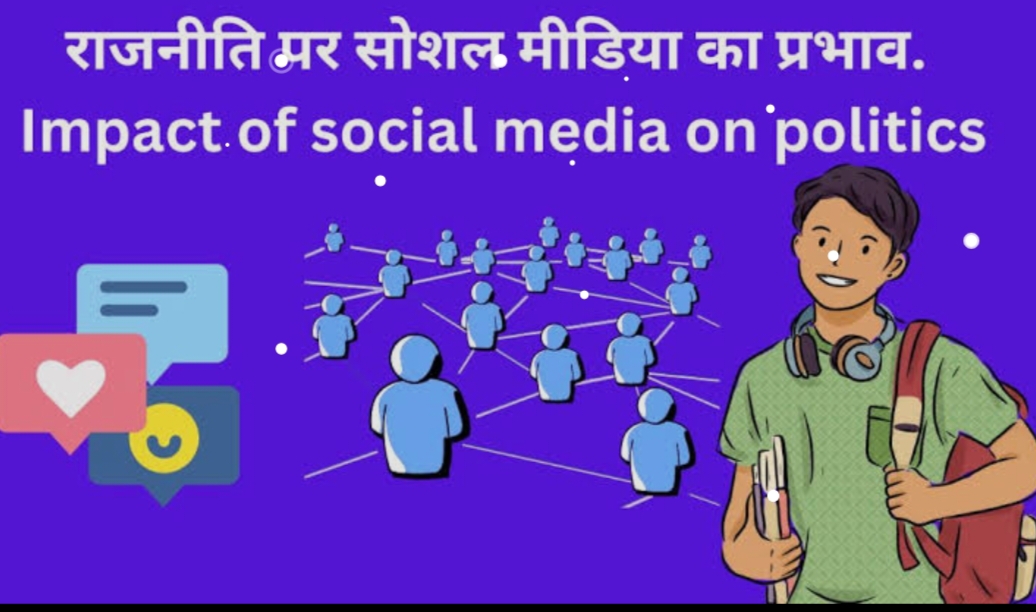
सोशल मीडिया और राजनीति: एक गहरा संबंधविषय सूची1. परिचय2. सोशल मीडिया का उदय और राजनीति पर इसका प्रभाव3. सोशल मीडिया और राजनीतिक संचार4. सोशल मीडिया और राजनीतिक भागीदारी5. सोशल मीडिया और राजनीतिक ध्रुवीकरण6. निष्कर्ष और सुझावपरिचयसोशल मीडिया ने हमारे जीवन को पूरी तरह से बदल दिया है, और राजनीति भी इससे अछूती नहीं है। सोशल मीडिया ने राजनीतिक संचार, भागीदारी और ध्रुवीकरण को नए आयाम दिए हैं। इस पेपर में, हम सोशल मीडिया और राजनीति के बीच संबंधों का विश्लेषण करेंगे और देखेंगे कि कैसे सोशल मीडिया राजनीतिक प्रक्रिया को प्रभावित कर रहा है।सोशल मीडिया का उदय और राजनीति पर इसका प्रभावसोशल मीडिया के उदय ने राजनीतिक संचार को पूरी तरह से बदल दिया है। अब नेता और राजनीतिक दल सीधे जनता से जुड़ सकते हैं और अपने संदेश को प्रसारित कर सकते हैं। सोशल मीडिया ने राजनीतिक दलों को अपने समर्थकों के साथ जुड़ने और उन्हें सक्रिय करने का एक नया मंच प्रदान किया है।सोशल मीडिया और राजनीतिक संचारसोशल मीडिया ने राजनीतिक संचार को अधिक प्रभावी और व्यक्तिगत बना दिया है। नेता और राजनीतिक दल अपने संदेश को लक्षित दर्शकों तक पहुंचा सकते हैं और उनकी प्रतिक्रियाओं को माप सकते हैं। सोशल मीडिया ने राजनीतिक दलों को अपने संदेश को अधिक प्रभावी ढंग से प्रसारित करने और जनता के साथ जुड़ने का अवसर प्रदान किया है।सोशल मीडिया और राजनीतिक भागीदारीसोशल मीडिया ने राजनीतिक भागीदारी को बढ़ावा दिया है। लोग अब ऑनलाइन याचिकाओं पर हस्ताक्षर कर सकते हैं, राजनीतिक अभियानों में भाग ले सकते हैं और अपने नेताओं से जुड़ सकते हैं। सोशल मीडिया ने लोगों को राजनीतिक प्रक्रिया में अधिक सक्रिय रूप से भाग लेने का अवसर प्रदान किया है।सोशल मीडिया और राजनीतिक ध्रुवीकरणसोशल मीडिया ने राजनीतिक ध्रुवीकरण को भी बढ़ावा दिया है। लोग अब अपने विचारों के अनुसार समाचार और जानकारी प्राप्त कर सकते हैं, जिससे उनके विचार और भी मजबूत हो जाते हैं। सोशल मीडिया ने राजनीतिक ध्रुवीकरण को बढ़ावा देने में महत्वपूर्ण भूमिका निभाई है।निष्कर्ष और सुझावसोशल मीडिया ने राजनीति को पूरी तरह से बदल दिया है। यह राजनीतिक संचार, भागीदारी और ध्रुवीकरण को नए आयाम दे रहा है। हमें सोशल मीडिया के प्रभावों को समझने और इसके जिम्मेदार उपयोग को बढ़ावा देने की जरूरत है।सुझाव1. सोशल मीडिया साक्षरता को बढ़ावा देना ।2. सोशल मीडिया के दुरुपयोग को रोकना ।3. राजनीतिक दलों को सोशल मीडिया का जिम्मेदार उपयोग करने के लिए प्रोत्साहित करना ।4. नागरिक समाज की भागीदारी बढ़ाना। 
Read More
Smart Investment Habits for Young Indians: Start Early, Stay Ahead
Ashish Kr Singh

By: Ashish Kr Singh

👁️ 210 unique views

Commerce 05 Feb 2026
Smart Investment Habits for Young Indians: Start Early, Stay AheadYoung people in their 20s and 30s—fresh grads, early professionals, or PGT aspirants—have time as their superpower. Compound interest turns small, regular investments into massive wealth. But with rising costs, social spending, and market noise, building habits around diversification, SIPs, continuity, and prioritizing investments over expenses is key. Beat inflation (typically 5-7% in India) by starting now, not later. Why Young Investors Have the EdgeAt 25, you can afford riskier assets like equities for 12-15% long-term returns. SEBI reports show millennials with SIPs averaging ₹50,000 monthly grew portfolios 10x in a decade. Inflation erodes savings—₹1 lakh today buys 40% less in 10 years at 6% inflation. Habits fix this.Essential Habits to Adopt Build these into your routine for sustainable growth:Start with SIPs for Regularity: Systematic Investment Plans automate ₹5,000-10,000 monthly into mutual funds. Rupee-cost averaging buys more units when markets dip, smoothing volatility. Apps like Groww make it effortless—set it, forget it.Prioritize Diversification: Spread across equities (50-60%), debt (20-30%), gold (10%), and international funds (10%). Example: Nifty 50 index fund + flexi-cap + PPF. Avoid single-stock gambles; diversified portfolios cut losses by 30-40% in crashes.Invest Before You Spend: Follow the 50-30-20 rule—50% needs, 30% wants, 20% savings/investments. Transfer SIPs on salary credit day. This curbs lifestyle inflation from EMIs or reels-driven buys.Embrace Continuity: Markets fluctuate, but stay invested. Historical data: Nifty delivered 12% CAGR over 20 years despite 2008 and 2020 dips. Pause only for emergencies (build 6-month expense fund first). Step-by-Step Starter Plana. Emergency Fund: 6 months' expenses in liquid funds or savings.b. SIP Portfolio: ₹10k split—₹6k equity MF, ₹3k debt/hybrid, ₹1k gold ETF.c. Review Quarterly: Rebalance if equities exceed 65%; step up SIPs 10% yearly.d. Tax Hacks: ELSS for 80C; NPS for extra deductions.Bad habits in investment and it's remidies  Irregularity: Skipping SIPs during job switches—automate to avoid.FOMO Chasing: Crypto or meme stocks—stick to diversified MFs.Ignoring Inflation: Cash under mattress loses 6% yearly—shift to equity SIPs.Debt Traps: Credit card splurges—pay off high-interest debt first. The Long GameConsistency trumps timing. A young investor maintaining SIPs through ups and downs builds habits that fund dreams: PhD abroad, family healthcare, or retirement freedom. Track via apps, learn via Zerodha Varsity, and watch ₹1 lakh today become ₹10 lakh in 20 years, post-inflation.Young India, your habits today shape tomorrow's wealth—diversify, SIP regularly, invest first, and stay the course.
Read More
Biopharma & Healthcare: A New Canvas for Printing and Fine Arts Students
Dr ANJALI MAURYA

By: Dr ANJALI MAURYA

👁️ 201 unique views

Fine Arts 02 Feb 2026
When we hear words like Biopharma and Healthcare, we usually think of doctors, scientists, medicines, or hospitals. But in today’s world, these sectors are deeply connected with design, printing, and visual communication—opening exciting opportunities for printing and fine arts students.With the Government of India giving strong emphasis to biopharma, healthcare, and medical innovation, the demand for creative professionals in this field is growing rapidly.The Silent Role of Printing in HealthcareEvery medicine we use comes with:LabelsPackagingInstruction leafletsDosage chartsSafety symbolsAll of these are products of printing and design. In healthcare, printing is not just about beauty—it is about clarity, accuracy, and responsibility. A small design or printing mistake can directly affect human health.Fine Arts Meets ScienceFine arts students bring something very special to healthcare: human-centered visual thinking.Your skills are needed in:Medical packaging designPharmaceutical brandingHospital signage systemsHealth awareness postersEducational charts & infographicsMedical manuals & book layoutsHealthcare communication must be simple, readable, and universal, and this is where trained printing and fine arts professionals play a vital role.Why This Matters After the Budget PushAs India moves towards becoming a global biopharma and healthcare hub, thousands of new:Pharma unitsResearch labsHospitalsHealth startupswill need high-quality printing, ethical design, and standardized visual material. This creates long-term career paths for students who combine artistic skills with technical printing knowledge.Career Opportunities for Printing & Fine Arts StudentsStudents can explore careers such as:Pharmaceutical Packaging DesignerMedical Graphic DesignerHealthcare Brand ConsultantPrint Production Specialist (Healthcare)Health Communication DesignerMedical Publishing & Illustration ExpertThese roles demand discipline, precision, and creativity—qualities that fine arts students already develop during their education.A New Responsibility for Young ArtistsWorking with healthcare is not just a job—it is a social responsibility. Your designs help people:Understand medicinesFollow treatments correctlyStay informed and safeIn this way, fine arts and printing students become silent contributors to public health.ConclusionThe future of printing and fine arts is no longer limited to advertising or decoration. With the rise of biopharma and healthcare, students now have a chance to apply their creativity where it truly matters—in saving lives through clarity, communication, and design.For today’s fine arts students, healthcare is a new canvas, and printing is the brush that connects art with science.By:Dr. Anjali MauryaHODFine Arts Dept.
Read More
Tabla: Rhythm, Discipline, and the Soul of Indian Classical Music
Dr Satya Gupta

By: Dr Satya Gupta

👁️ 287 unique views

Music 01 Feb 2026
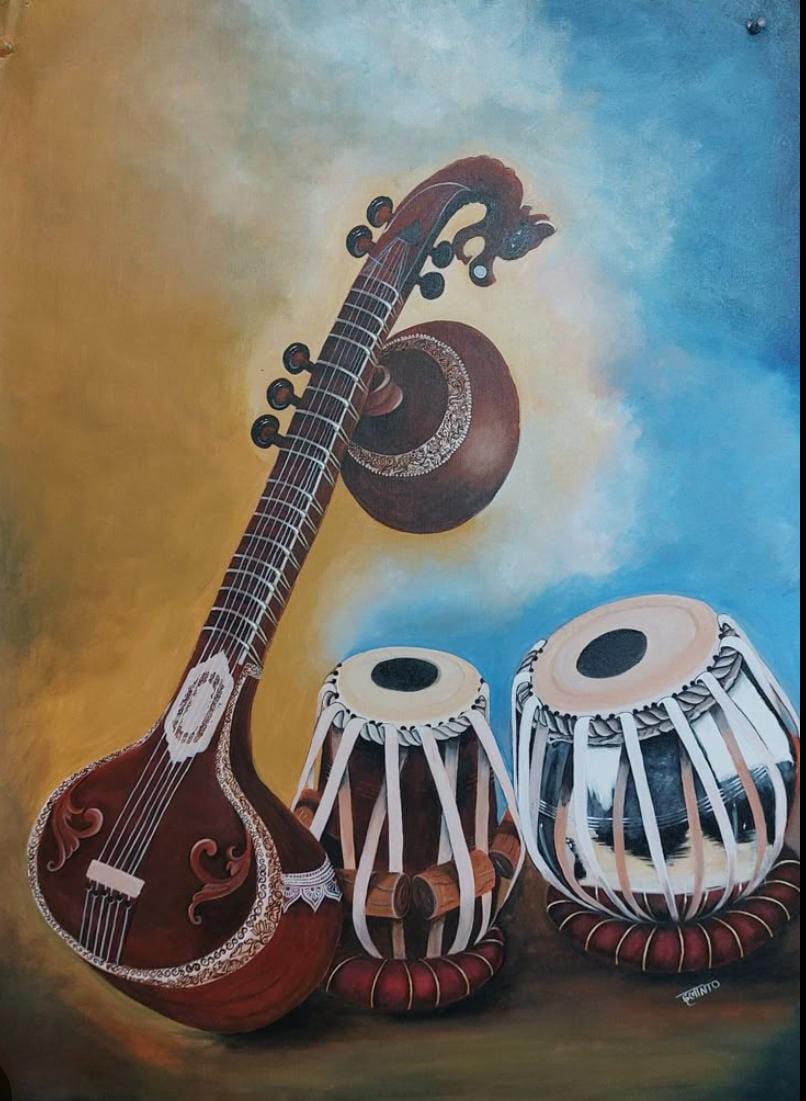
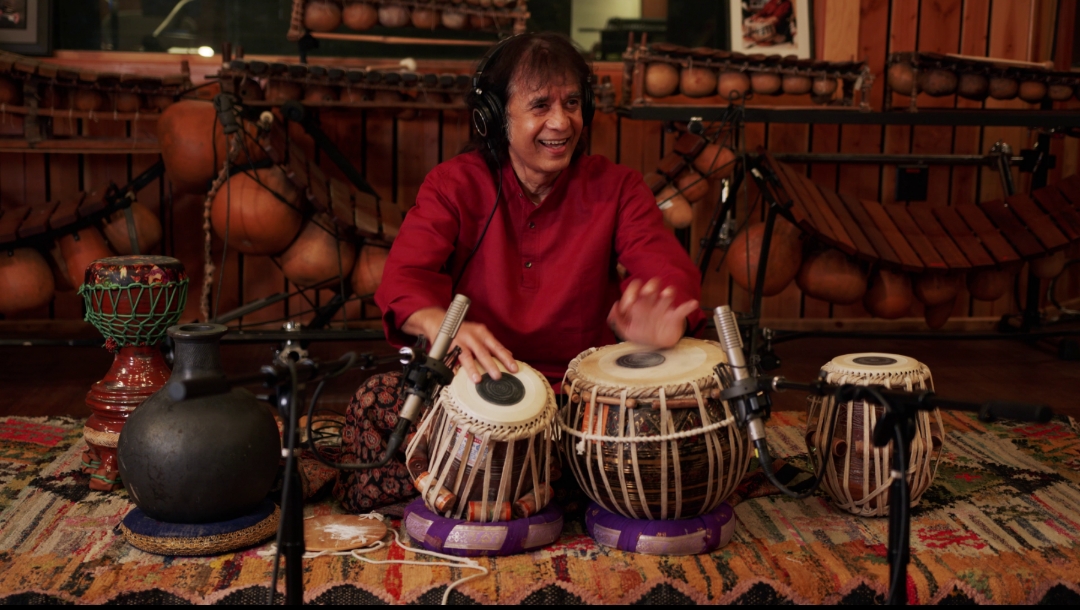
Tabla: Rhythm, Discipline, and the Soul of Indian Classical MusicIndian classical music is not merely an art form; it is a way of life. Among its many treasures, tabla holds a unique and powerful place. It is not just an instrument of rhythm, but a medium of expression, discipline, and spiritual connection.Tabla has the rare ability to both support and speak. While accompanying vocal and instrumental music, it quietly strengthens the performance, yet in solo presentations it commands the stage with authority and depth. Every bol, every theka, and every laykari tells a story rooted in centuries of tradition.Learning tabla is much more than learning beats. It teaches patience, focus, and self-control. A student of tabla learns to listen deeply — to sound, silence, and timing. In a world moving at great speed, this practice cultivates calmness and inner balance.The tradition of tabla is preserved through the Guru–Shishya Parampara, where knowledge is not transferred only through written notation, but through observation, dedication, and respect. This bond between teacher and student builds not only musicians, but responsible and grounded individuals.For students today, tabla offers immense value. It sharpens concentration, improves coordination, and develops a strong sense of rhythm that benefits all forms of learning. More importantly, it connects young minds to India’s rich cultural roots while preparing them with discipline needed for modern life.In educational institutions, music should not be seen as an extracurricular activity alone. It is a powerful tool for holistic development. Tabla, in particular, nurtures creativity while instilling structure — a balance that every student needs.As a teacher of tabla, it is my belief that when students place their hands on the instrument, they are not just learning music — they are learning heritage, humility, and harmony. The rhythm they practice today becomes the rhythm with which they approach life tomorrow. Written By:— Dr. Satya GuptaTabla Instructor, Department of MusicMahadev PG CollegeBest college for musicBest college for tabla
Read More
अल्जाइमर रोग
अल्जाइमर रोग
Dr Bhim Singh Rahi

By: Dr Bhim Singh Rahi

👁️ 167 unique views

PSYCHOLOGY 31 Jan 2026
अल्जाइमर रोगअल्जाइमर रोग मनोभ्रंश का सबसे आम प्रकार है । यह आपके शरीर के निम्नलिखित अंगों में समस्याएँ पैदा करता है:यादसोचव्यवहारहालांकि अल्जाइमर रोग वृद्ध लोगों में अधिक आम है, लेकिन यह उम्र बढ़ने का एक सामान्य हिस्सा नहीं है।अल्जाइमर रोग आमतौर पर 65 वर्ष की आयु के बाद होता है। इसके कारणों का पूरी तरह से पता नहीं चल पाया है।अल्जाइमर रोग का एक दुर्लभ रूप है जिसे पारिवारिक अल्जाइमर रोग कहा जाता है। यह एक बहुत ही दुर्लभ आनुवंशिक स्थिति के कारण होता है। अल्जाइमर रोग के लक्षणशुरुआत में अल्जाइमर रोग को पहचानना मुश्किल हो सकता है। इसके पहले लक्षण आमतौर पर हाल की घटनाओं को याद रखने में परेशानी और रोजमर्रा की चीजों के लिए सही शब्द ढूंढने में कठिनाई होते हैं।हालांकि, कई लोगों को याददाश्त संबंधी समस्याएं होती हैं लेकिन उन्हें अल्जाइमर रोग नहीं होता। अल्जाइमर रोग के अन्य सामान्य लक्षण इस प्रकार हैं:आसानी से रास्ता भटक जाना या भ्रमित हो जानारोजमर्रा के काम जैसे खरीदारी करना या खाना बनाना भूल जानानींद आने में परेशानी हो रही हैकरीबी लोगों को भी न पहचान पाना—यहां तक ​​कि करीबी परिवार के सदस्यों को भी।आपके मस्तिष्क में होने वाले बदलावों से ऐसा लग सकता है कि आपके व्यक्तित्व में बदलाव आया है। आपको ऐसा महसूस हो सकता है:चिड़चिड़ा या उत्तेजित होनाइधर उधर भटकना बंदबोलने में परेशानी होनाभ्रम या मतिभ्रम होना (जैसे ऐसी चीजें सुनना या देखना जो वास्तव में मौजूद नहीं हैं)आक्रामक हो जानाअल्जाइमर रोग के कारणआपके मस्तिष्क में लाखों न्यूरॉन (मस्तिष्क कोशिकाएं) होती हैं। ये कोशिकाएं मस्तिष्क द्वारा यादों को संग्रहित करने, आदतों को सीखने और व्यक्तित्व को आकार देने की प्रक्रिया को व्यवस्थित करती हैं। न्यूरोट्रांसमीटर नामक रसायनों के रूप में मस्तिष्क कोशिकाओं के बीच के संपर्कों के माध्यम से संकेत संचारित होते हैं।अल्जाइमर रोग से पीड़ित लोगों में, प्रोटीन आपके न्यूरॉन्स (मस्तिष्क कोशिकाओं) के संचार के तरीके को प्रभावित करते हैं।ये प्रोटीन इस प्रकार हैं:एमिलॉयड प्लाक — जो आपके न्यूरॉन्स पर बनते हैंन्यूरोफिब्रिलरी टेंगल्स — जो आपके न्यूरॉन्स के अंदर बनते हैंये प्रोटीन मस्तिष्क की कोशिकाओं को संकेतों को ठीक से संप्रेषित करने से रोकते हैं। अंततः न्यूरॉन्स मर जाते हैं और मस्तिष्क के कॉर्टेक्स (बाहरी परत) में सिकुड़न पैदा करते हैं। कॉर्टेक्स स्मृति, भाषा और निर्णय लेने की क्षमता के लिए अत्यंत महत्वपूर्ण है।वैज्ञानिकों को अभी तक यह पता नहीं चल पाया है कि अल्जाइमर रोग में प्लाक और टेंगल्स के निर्माण को कौन सी चीज प्रेरित करती है। शोधकर्ताओं ने कई ऐसे जीन की पहचान की है जो अल्जाइमर रोग होने की संभावना होती है।इलाजअल्जाइमर रोग के उपचार में ऐसी दवाएं शामिल हैं जो लक्षणों में आराम पहुंचाती हैं और कुछ नई दवाएं भी हैं जो सोचने और कार्य करने की क्षमता में गिरावट को धीमा करने में सहायक होती हैं। ये नई दवाएं अल्जाइमर रोग के प्रारंभिक चरण वाले लोगों के लिए स्वीकृत हैं।दवाइयाँअल्जाइमर की दवाएं स्मृति संबंधी लक्षणों और अन्य संज्ञानात्मक परिवर्तनों में मदद कर सकती हैं। लक्षणों के उपचार के लिए उपयोग की जाने वाली दो प्रकार की दवाएं इस प्रकार हैं:कोलिनेस्टेरेज अवरोधक। ये दवाएं कोशिकाओं के बीच संचार को बढ़ाकर काम करती हैं। ये दवाएं एक रासायनिक संदेशवाहक को संरक्षित करती हैं जो अल्जाइमर रोग के कारण मस्तिष्क में कम हो जाता है। आमतौर पर ये पहली दवाएं होती हैं जिन्हें आजमाया जाता है, और अधिकांश लोगों को लक्षणों में मामूली सुधार देखने को मिलता है।कोलिनेस्टेरेज अवरोधक व्यवहार संबंधी लक्षणों, जैसे बेचैनी या अवसाद, में सुधार कर सकते हैं। ये दवाएं मुंह से ली जाती हैं या त्वचा पर पैच के माध्यम से लगाई जाती हैं। आमतौर पर निर्धारित कोलिनेस्टेरेज अवरोधकों में डोनेपेज़िल (एरिसेप्ट, एडलैरिटी), गैलेंटामाइन और रिवस्टिग्माइन ट्रांसडर्मल पैच (एक्सेलॉन) शामिल हैं।इन दवाओं के मुख्य दुष्प्रभावों में दस्त, मतली, भूख न लगना और नींद न आना शामिल हैं। कुछ हृदय रोगों से पीड़ित लोगों में अनियमित हृदय गति जैसे गंभीर दुष्प्रभाव हो सकते हैं।मेमेंटाइन (नमेंडा)। यह दवा मस्तिष्क की कोशिकाओं के एक अलग संचार नेटवर्क पर काम करती है और मध्यम से गंभीर अल्जाइमर रोग के लक्षणों की प्रगति को धीमा करती है। कभी-कभी इसका उपयोग कोलिनेस्टेरेज अवरोधक के साथ संयोजन में किया जाता है। अपेक्षाकृत दुर्लभ दुष्प्रभावों में चक्कर आना और भ्रम शामिल हैं।खाद्य एवं औषधि प्रशासन (एफडीए) द्वारा अल्जाइमर रोग के कारण सोचने और कार्य करने की क्षमता में होने वाली गिरावट को धीमा करने के लिए अन्य दवाओं को मंजूरी दी गई है। ये दवाएं मस्तिष्क में एमिलॉयड प्लाक को जमने से रोकती हैं। ये दवाएं हल्के अल्जाइमर रोग और अल्जाइमर रोग के कारण होने वाली हल्की संज्ञानात्मक हानि वाले लोगों को दी जाती हैं।इन दवाओं में शामिल हैं:लेकैनेमैब-इर्मब ​​(लेकेम्बी)। यह दवा हर दो सप्ताह में एक बार नसों के माध्यम से दी जाती है। इसके दुष्प्रभावों में बुखार, फ्लू जैसे लक्षण, मतली, उल्टी, चक्कर आना, हृदय गति में परिवर्तन और सांस लेने में तकलीफ जैसी प्रतिक्रियाएं शामिल हो सकती हैं।डोनानेमैब-एज़बीटी (किसुनला)। यह दवा हर चार सप्ताह में एक बार नसों के माध्यम से दी जाती है। इसके दुष्प्रभावों में फ्लू जैसे लक्षण, मतली, उल्टी, सिरदर्द, सांस लेने में तकलीफ और रक्तचाप में बदलाव शामिल हो सकते हैं।लेकैनेमैब या डोनैनेमैब लेने वाले लोगों के मस्तिष्क में सूजन या हल्का रक्तस्राव हो सकता है। दुर्लभ मामलों में, मस्तिष्क की सूजन इतनी गंभीर हो सकती है कि दौरे और अन्य लक्षण उत्पन्न हो सकते हैं। इसके अलावा, कुछ दुर्लभ मामलों में, मस्तिष्क में रक्तस्राव से मृत्यु भी हो सकती है।  जिन लोगों में APOE e4 नामक जीन का एक विशेष रूप मौजूद होता है, उनमें इन गंभीर दुष्प्रभावों का खतरा अधिक होता है। FDA उपचार शुरू करने से पहले इस जीन की जांच कराने की सलाह देता है।  कभी-कभी अल्जाइमर रोग से जुड़े व्यवहार संबंधी लक्षणों को नियंत्रित करने में मदद करने के लिए एंटीडिप्रेसेंट जैसी अन्य दवाएं भी निर्धारित की जा सकती हैं।
Read More
BE BEYOND RESERVATION:- BE THE TOPPER, PROVE YOURSELF
Pratika Pandey

By: Pratika Pandey

👁️ 200 unique views

ZOOLOGY 30 Jan 2026
Be Beyond Reservation: Be the Topper, Prove YourselfReservation is a social policy created to support those who have historically faced discrimination and lack of access to education and opportunities. Its purpose is to create a level playing field—not to define a person’s limits or identity. However, true growth and lasting success come when an individual chooses to rise beyond dependence on reservation and focuses on excellence, merit, and self-development.To be beyond reservation means to break mental barriers. It means not allowing caste, category, gender, or any label to decide your confidence or ambition. While reservation may help someone enter an institution, it cannot make that person successful inside it. Success depends on hard work, discipline, learning attitude, and perseverance.Excellence Is the Strongest ProofMarks, ranks, skills, and achievements speak louder than any certificate. When a student becomes a topper, doubts automatically disappear. Society respects results. A high achiever proves that talent and intelligence are not limited to any category. Excellence removes the stigma that reservation sometimes creates and replaces it with admiration.A topper studies not just to pass, but to understand. They do not aim for minimum qualifying marks; they aim for mastery. This mindset separates achievers from average performers. When you push yourself to the highest standards, you no longer need validation—your work becomes your identity.Reservation Is a Support, Not a DestinationReservation should be seen as a stepping stone, not a final goal. It provides access, but growth comes from effort. Depending completely on reservation can limit personal development, while striving beyond it builds confidence, independence, and leadership qualities.Those who go beyond reservation create a new narrative. They show that given an opportunity, they can outperform expectations and compete at the highest level. Such individuals become role models—not just for their community, but for society as a whole.Proving Yourself Builds Self-RespectSelf-respect is born from achievement. When you know that your success is the result of your own effort, it strengthens your character. You no longer feel the need to defend your position. Your competence speaks for you.Proving yourself does not mean rejecting reservation or looking down upon it. It means honoring the opportunity by working harder than required and making the most of it. It means transforming access into achievement.ConclusionReservation can open a door, but only dedication can take you to the top. The real victory is not selection—it is distinction. Aim to be the topper, not just a beneficiary. Let your performance remove doubts, break stereotypes, and inspire others.Be beyond reservation.Be excellent.Be confident.Be a topper—and prove yourself.!!!! 
Read More
“Future of Programming Languages: Which Languages Will Survive the Next Decade?”
Deepak Singh

By: Deepak Singh

👁️ 165 unique views

Computer 29 Jan 2026
1️⃣ Introduction (Context)Programming languages evolve just like technology.Some languages fade away, some adapt, and a few dominate for decades.With AI, cloud computing, cybersecurity, and large-scale systems growing fast, the big question is:Which programming languages will still matter in the next 10 years—and why?2️⃣ What Makes a Programming Language Survive?A language survives when it has:🔹 Strong community support🔹 Real industry demand🔹 Wide application areas🔹 Regular updates & evolution🔹 Good performance and securityLanguages that fail to evolve slowly disappear.3️⃣ Languages Likely to Survive (and Thrive)🟢 PythonWhy it survives:Backbone of AI, ML, Data ScienceEasy to learn, powerful librariesUsed in automation, research, startups📌 Future Role: AI-first language, rapid prototyping🟨 JavaScriptWhy it survives:Runs in every browserEssential for frontend & backendHuge frameworks ecosystem📌 Future Role: Web, mobile, cloud, full-stack apps🔵 JavaWhy it survives:Trusted by banks, enterprises, governmentsStrong performance and securityMassive legacy systems still depend on it📌 Future Role: Enterprise, backend, large systems⚙️ C++Why it survives:Extreme performanceUsed in OS, game engines, embedded systemsHard to replace at system level📌 Future Role: High-performance & system software🦀 RustWhy it survives:Memory safety without performance lossLoved by system programmersBacked by big tech companies📌 Future Role: Secure systems, OS, blockchain☁️ Go (Golang)Why it survives:Designed for cloud and distributed systemsSimple, fast, scalablePopular in DevOps & microservices📌 Future Role: Cloud-native & backend services4️⃣ Languages That May DeclineNot dead—but reduced dominance:Languages with poor performanceNo modern updatesLimited industry use📌 Key idea: Decline ≠ extinction5️⃣ Key Insight for ProgrammersLanguages don’t die—developers stop using them.Instead of chasing trends:Learn one core language deeplyUnderstand concepts (DSA, OOP, systems)Adapt to new tools over time6️⃣ ConclusionThe future belongs to adaptable programmers, not just popular languages.Languages like Python, JavaScript, Java, C++, Rust, and Go are likely to survive because they solve real problems.Frameworks change. Languages evolve. Fundamentals remain forever.
Read More
'The language of the Universe'
Kuldeep Kr. Sharma

By: Kuldeep Kr. Sharma

👁️ 167 unique views

MATHEMATICS 29 Jan 2026
Mathematics:- “The Language of the Universe”Mathematics is not just a subject of numbers and formulas; it is a universal language that explains patterns, shapes, and relationships found in nature and daily life. From counting objects to understanding the motion of planets, mathematics plays a vital role in human civilization.One of the most important features of mathematics is logical thinking. Every mathematical statement is based on clear definitions, axioms, and proofs. This logical structure helps develop problem-solving skills and sharpens the human mind. That is why mathematics is often called the backbone of science and technology.Mathematics has many branches such as Algebra, Geometry, Trigonometry, Calculus, and Statistics. Algebra deals with symbols and equations, geometry studies shapes and sizes, while calculus helps us understand change and motion. Statistics is widely used in data analysis, economics, medicine, and social sciences.In daily life, mathematics is everywhere—while shopping, managing money, measuring time, cooking, or even using mobile phones. Modern technologies like artificial intelligence, cryptography, and space research are impossible without mathematics.In conclusion, mathematics is not only a school subject but a powerful tool that helps us understand and shape the world. Learning mathematics improves reasoning ability and prepares students for future challenges.
Read More
ज़िंदगी रुकती नहीं है… हर दर्द के बाद भी आगे बढ़ना ही जीवन है
Dharmendra Bhaskar

By: Dharmendra Bhaskar

👁️ 162 unique views

Computer 26 Jan 2026
हाल ही में हमारे समाज और शिक्षा जगत ने एक बेहद दुखद घटना देखी—एक ऐसे शिक्षक का असमय जाना, जिन्होंने न जाने कितने विद्यार्थियों के जीवन को दिशा दी थी। यह खबर केवल एक व्यक्ति के जाने की नहीं है, बल्कि उन अनगिनत सपनों, सीखों और रिश्तों की भी है, जो उनसे जुड़े थे।यह घटना हमें झकझोरती है। सोचने पर मजबूर करती है। और एक सवाल छोड़ जाती है—क्या ज़िंदगी यहीं रुक जाती है?सच यह है कि जीवन कभी रुकता नहीं। वह हर परिस्थिति में आगे बढ़ता रहता है—कभी आँसुओं के साथ, कभी खामोशी के साथ, और कभी नई उम्मीदों के सहारे।आज का समय बेहद तेज़ है। प्रतियोगिता, अपेक्षाएँ, जिम्मेदारियाँ और अकेलापन—सब एक साथ हमारे मन पर दबाव बनाते हैं। शिक्षक हों, विद्यार्थी हों या कोई भी पेशेवर—कोई भी इससे अछूता नहीं है। कई बार हम बाहर से मुस्कुराते रहते हैं, लेकिन अंदर ही अंदर टूट रहे होते हैं।ऐसे में सबसे ज़रूरी बात है—बात करना।अपने मन की बात किसी से साझा करना कमजोरी नहीं, बल्कि साहस है। मदद माँगना हार नहीं, बल्कि जीवन को चुनने का फैसला है।हमारे बीच ऐसे लोग ज़रूर होते हैं जो सुनना चाहते हैं—पर हम अक्सर यह मान लेते हैं कि “कोई समझेगा नहीं।” यही सोच हमें अकेला कर देती है।उस शिक्षक की स्मृति में, जिनका जाना हम सभी के लिए एक गहरी क्षति है, हमें यह प्रण लेना चाहिए कि:हम एक-दूसरे की भावनाओं को हल्के में नहीं लेंगेहम मानसिक स्वास्थ्य पर खुलकर बात करेंगेऔर जब कोई चुप हो, तो हम उससे पूछेंगे—“क्या तुम ठीक हो?”ज़िंदगी का अर्थ केवल सफल होना नहीं है।ज़िंदगी का अर्थ है—जीते रहना, सीखते रहना और एक-दूसरे का सहारा बनना।जो चले गए, वे हमारे साथ यादों में, मूल्यों में और प्रेरणा में हमेशा जीवित रहेंगे।और जो यहाँ हैं—उनके लिए ज़रूरी है कि वे आगे बढ़ें, क्योंकि जीवन रुकने के लिए नहीं बना है।यदि आज आप किसी बोझ से दबे हैं, तो याद रखें—यह समय भी बीत जाएगा।आप अकेले नहीं हैं, और आपकी ज़िंदगी अनमोल है।ज़िंदगी रुकती नहीं है… हर दर्द के बाद भी आगे बढ़ना ही जीवन है।
Read More
महिला शसक्तीकरण -- गणतंत्र के निर्माण और विकास में भारतीय महिलाओं की भूमिका
Dr Pratibha Singh

By: Dr Pratibha Singh

👁️ 124 unique views

POLITICAL SCIENCE 21 Jan 2026
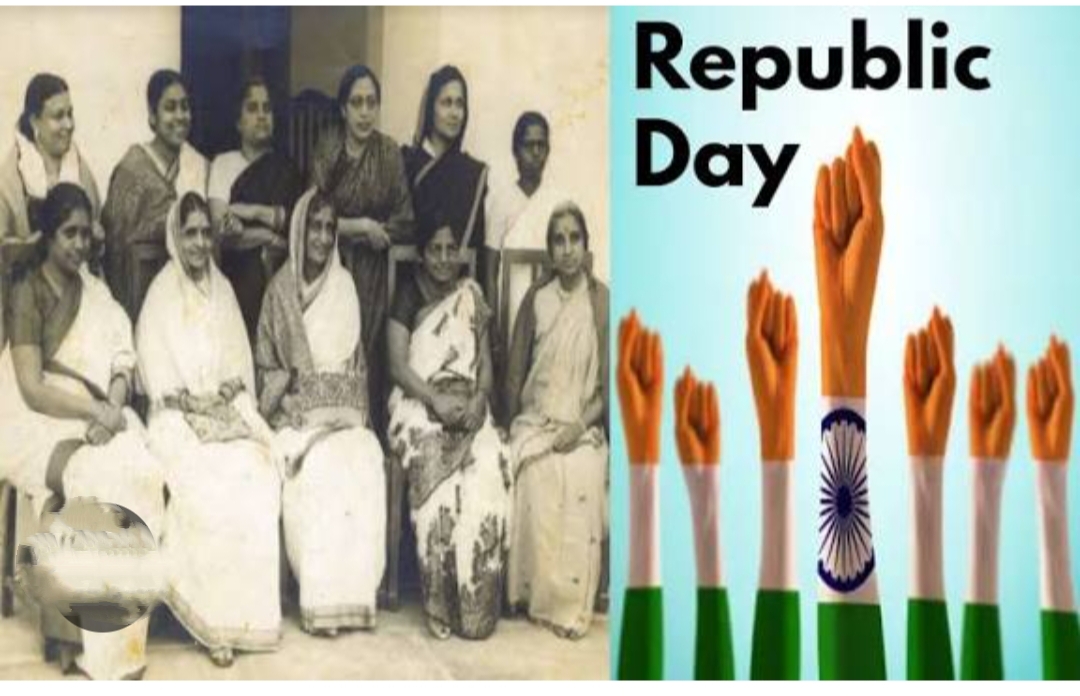
शोध पत्र: भारत गणतंत्र के विकास में भारतीय महिलाओं की भूमिकालेखक:( प्रतिभा सिंह )    दिनांक: 20 जनवरी, 20261. सारांश (Abstract)यह शोध पत्र स्वतंत्र भारत के विकास में महिलाओं के बहुआयामी योगदान का विश्लेषण करता है। स्वाधीनता आंदोलन से लेकर वर्तमान डिजिटल युग तक, महिलाओं ने न केवल सामाजिक ढाँचे को मजबूत किया है, बल्कि आर्थिक, राजनीतिक और वैज्ञानिक क्षेत्रों में भी भारत का गौरव बढ़ाया है। यह पत्र सरकारी नीतियों, व्यक्तिगत उपलब्धियों और वर्तमान चुनौतियों पर भी प्रकाश डालता है।2. प्रस्तावना (Introduction)किसी भी राष्ट्र की प्रगति का पैमाना उस देश की महिलाओं की स्थिति से मापा जा सकता है। भारत एक ऐसा देश है जहाँ प्राचीन काल में महिलाओं को उच्च स्थान प्राप्त था, लेकिन मध्य काल में उनकी स्थिति में गिरावट आई। 1947 में स्वतंत्रता के बाद, भारतीय संविधान ने महिलाओं को पुरुषों के समान अधिकार दिए। आज, महिला सशक्तिकरण केवल एक सामाजिक मुद्दा नहीं, बल्कि राष्ट्र के आर्थिक विकास की अनिवार्य शर्त है।3. विकास के विभिन्न क्षेत्रों में योगदान3.1 राजनीतिक भागीदारीभारतीय महिलाओं ने देश की नीतियों को दिशा देने में महत्वपूर्ण भूमिका निभाई है।* नेतृत्व: इंदिरा गांधी (प्रथम महिला प्रधानमंत्री), प्रतिभा पाटिल (प्रथम महिला राष्ट्रपति) से लेकर वर्तमान में द्रौपदी मुर्मू (प्रथम आदिवासी महिला राष्ट्रपति) तक का सफर महिला शक्ति का प्रतीक है।* स्थानीय स्वशासन: 73वें और 74वें संविधान संशोधन के माध्यम से पंचायतों और नगर निकायों में महिलाओं को आरक्षण देकर ज़मीनी स्तर पर सशक्तिकरण किया गया है।3.2 आर्थिक और उद्यमिता क्षेत्रभारतीय महिलाएं अब केवल घरेलू कार्यों तक सीमित नहीं हैं।* कॉर्पोरेट जगत: किरण मजूमदार-शॉ (बायोकॉन), फाल्गुनी नायर (नायका) जैसी महिलाओं ने व्यापार जगत की परिभाषा बदली है।* कृषि और सूक्ष्म उद्यम: भारत के ग्रामीण क्षेत्रों में 'स्वयं सहायता समूह' (SHGs) के माध्यम से लाखों महिलाएं अर्थव्यवस्था की रीढ़ बनी हुई हैं।3.3 विज्ञान, तकनीक और अंतरिक्षभारतीय महिला वैज्ञानिकों ने अंतरराष्ट्रीय स्तर पर भारत का लोहा मनवाया है।* मंगलयान और चंद्रयान: 'रॉकेट वुमन ऑफ इंडिया' के नाम से प्रसिद्ध रितु कारिधाल और अन्य महिला वैज्ञानिकों ने जटिल अंतरिक्ष मिशनों का सफल नेतृत्व किया है।* चिकित्सा: कोरोना काल के दौरान अग्रिम पंक्ति की कार्यकर्ता (आशा कार्यकर्ता और नर्सें) स्वास्थ्य ढांचे का मुख्य आधार रहीं।4. सांख्यिकीय प्रगति (एक नज़र में)निम्न तालिका पिछले कुछ दशकों में महिलाओं की स्थिति में सुधार को दर्शाती है:| सूचकांक | 1951 (लगभग) | 2021-22 (अनुमानित) ||---|---|---|| महिला साक्षरता दर | 8.9% | 77% || औसत आयु | 31.7 वर्ष | 70.4 वर्ष || संसद में महिलाओं की संख्या | ~4% | ~14% (17वीं लोकसभा) |5. चुनौतियाँ और बाधाएँसफलता के बावजूद, कुछ बाधाएँ आज भी मौजूद हैं:* लैंगिक असमानता: वेतन में अंतर और कार्यस्थलों पर पक्षपात।* सुरक्षा: महिलाओं के प्रति बढ़ते अपराध एक बड़ी चिंता का विषय हैं।* सामाजिक सोच: पितृसत्तात्मक मानसिकता अभी भी कई क्षेत्रों में महिलाओं की शिक्षा और करियर में बाधा डालती है।6. सरकारी प्रयासभारत सरकार ने महिला सशक्तिकरण के लिए कई महत्वपूर्ण योजनाएं लागू की हैं:1. बेटी बचाओ, बेटी पढ़ाओ: लिंगानुपात और शिक्षा में सुधार के लिए।2. प्रधानमंत्री उज्ज्वला योजना: स्वास्थ्य और धुएँ से मुक्ति के लिए।3. मुद्रा योजना: महिला उद्यमियों को आसान ऋण प्रदान करने हेतु।4. नारी शक्ति वंदन अधिनियम (2023): संसद और विधानसभाओं में 33% आरक्षण का प्रावधान।7. निष्कर्ष (Conclusion)निष्कर्षतः, भारत का 2047 तक एक 'विकसित राष्ट्र' बनने का सपना महिलाओं की सक्रिय भागीदारी के बिना अधूरा है। जब हम महिलाओं को शिक्षित और आर्थिक रूप से स्वतंत्र बनाते हैं, तो हम केवल एक व्यक्ति को नहीं, बल्कि एक पूरे परिवार और राष्ट्र को सशक्त करते हैं। महिलाओं की भूमिका अब केवल सहायक की नहीं, बल्कि 'परिवर्तन के सूत्रधार' (Change Makers) की है।8. संदर्भ (References)* भारत की जनगणना रिपोर्ट (विभिन्न वर्ष)।* राष्ट्रीय परिवार स्वास्थ्य सर्वेक्षण (NFHS-5)।* संयुक्त राष्ट्र विकास कार्यक्रम (UNDP) की रिपोर्ट। 
Read More
Data Transmission in Optical Fiber Cable for Internet Communication
UDAY RAJ SINGH

By: UDAY RAJ SINGH

👁️ 146 unique views

PHYSICS 14 Jan 2026
Data Transmission in Optical Fiber Cable for Internet CommunicationIn optical fiber communication, data is transmitted using light signals instead of electrical signals.First, the digital data (0s and 1s) generated by computers and network devices is converted into light pulses by a transmitter such as a laser diode or LED. A pulse of light represents binary 1, while the absence of light represents binary 0.An optical fiber consists of a core, cladding, and an outer protective coating. The core carries the light, while the cladding has a lower refractive index, which helps keep the light confined within the core.The light signals travel through the fiber by the principle of total internal reflection. When the light strikes the boundary between the core and cladding at an angle greater than the critical angle, it is reflected back into the core. This process allows the light to propagate over long distances with minimal loss.At the receiving end, a photodetector converts the incoming light pulses back into electrical signals. These electrical signals are then processed and decoded to recover the original information, such as voice, video, or data.Optical fiber cables offer high data transmission speed, large bandwidth, low signal attenuation, and strong immunity to electromagnetic interference. Due to these advantages, optical fibers are widely used in modern internet and broadband communication systems.इंटरनेट संचार में ऑप्टिकल फाइबर केबल द्वारा डेटा का संचरणऑप्टिकल फाइबर संचार में डेटा का संचरण विद्युत संकेतों के बजाय प्रकाश संकेतों के माध्यम से किया जाता है।सबसे पहले, कंप्यूटर और नेटवर्क उपकरणों से प्राप्त डिजिटल डेटा (0 और 1) को लेज़र डायोड या LED जैसे ट्रांसमीटर की सहायता से प्रकाश स्पंदों (Light Pulses) में बदला जाता है। प्रकाश की उपस्थिति बाइनरी 1 को दर्शाती है, जबकि प्रकाश की अनुपस्थिति बाइनरी 0 को दर्शाती है।एक ऑप्टिकल फाइबर केबल तीन मुख्य भागों से बनी होती है—कोर, क्लैडिंग, और सुरक्षात्मक आवरण। कोर के माध्यम से प्रकाश संचरित होता है, जबकि क्लैडिंग का अपवर्तनांक कोर से कम होता है, जिससे प्रकाश कोर के अंदर ही सीमित रहता है।प्रकाश संकेत पूर्ण आंतरिक परावर्तन (Total Internal Reflection) के सिद्धांत पर फाइबर के भीतर आगे बढ़ते हैं। जब प्रकाश किरण कोर और क्लैडिंग की सीमा पर क्रांतिक कोण से अधिक कोण पर टकराती है, तो वह पूरी तरह से कोर के भीतर परावर्तित हो जाती है। इस प्रक्रिया से प्रकाश संकेत बहुत कम क्षय के साथ लंबी दूरी तक संचरित हो सकते हैं।फाइबर के अंतिम सिरे पर एक फोटो डिटेक्टर प्रकाश स्पंदों को पुनः विद्युत संकेतों में परिवर्तित कर देता है। इन संकेतों को संसाधित करके मूल सूचना जैसे आवाज़, वीडियो और डेटा प्राप्त किया जाता है।उच्च बैंडविड्थ, तेज़ डेटा संचरण, कम क्षय और विद्युत-चुंबकीय व्यवधानों से मुक्त होने के कारण ऑप्टिकल फाइबर केबल का उपयोग आधुनिक इंटरनेट और ब्रॉडबैंड संचार प्रणालियों में व्यापक रूप से किया जाता है।
Read More
मकर संक्रांति: जब सूर्य ही नहीं, जीवन भी उत्तरायण होता है
Dr Abhinesh Gupta

By: Dr Abhinesh Gupta

👁️ 139 unique views

POLITICAL SCIENCE 14 Jan 2026
🌞 मकर संक्रांति: जब सूर्य ही नहीं, जीवन भी उत्तरायण होता हैभारत के त्योहार केवल परंपराएँ नहीं हैं, वे जीवन जीने की कला सिखाते हैं।मकर संक्रांति ऐसा ही एक पर्व है, जो हमें यह याद दिलाता है कि अंधकार से प्रकाश की ओर बढ़ना ही जीवन का असली नियम है।यह त्योहार हर साल जनवरी में आता है, जब सूर्य मकर राशि में प्रवेश करता है और उत्तरायण की शुरुआत होती है। यही कारण है कि मकर संक्रांति को नई शुरुआत, सकारात्मक ऊर्जा और आशा का पर्व माना जाता है।☀️ उत्तरायण का संदेश: आगे बढ़ते रहोमकर संक्रांति का सबसे बड़ा संदेश है — रुकना नहीं।जैसे सूर्य दक्षिणायन से उत्तरायण की ओर बढ़ता है, वैसे ही हमें भी अपने जीवन में:निराशा से उम्मीद की ओरआलस्य से कर्म की ओरअंधकार से उजाले की ओरबढ़ना चाहिए।यह पर्व कहता है:अगर दिशा सही हो, तो हर कदम सफलता की ओर ले जाता है।🪁 पतंगें: सपनों की उड़ानमकर संक्रांति पर आसमान में उड़ती रंग-बिरंगी पतंगें सिर्फ़ खेल नहीं हैं, वे सपनों का प्रतीक हैं।जब हम पतंग उड़ाते हैं, तो सीखते हैं:ऊँचाई पाने के लिए संतुलन ज़रूरी हैडोर ढीली हो तो पतंग गिर जाती हैऔर बहुत कसी हो तो टूट जाती हैयानी जीवन में भी संतुलन ही सफलता की कुंजी है।🍬 तिल-गुड़: रिश्तों की मिठास“तिल-गुड़ खाओ, मीठा-मीठा बोलो”यह कहावत मकर संक्रांति की आत्मा है।तिल हमें सिखाता है मजबूती और सहनशीलता,गुड़ सिखाता है मिठास और अपनापन।आज के समय में, जब रिश्तों में दूरी बढ़ रही है, मकर संक्रांति हमें याद दिलाती है कि मीठे शब्द और सच्चे भाव सबसे बड़ा उपहार हैं।🌾 किसान और प्रकृति का पर्वमकर संक्रांति केवल त्योहार नहीं, यह किसान के सम्मान का दिन भी है।नई फसल, मेहनत का फल और प्रकृति के प्रति कृतज्ञता — इस पर्व का मूल भाव है।यह हमें सिखाता है कि:जो धरती से जुड़ा है, वही भविष्य से जुड़ा है।🌍 आज के समय में मकर संक्रांति का महत्वआज की तेज़ रफ्तार ज़िंदगी में हम अक्सर थक जाते हैं — मानसिक रूप से, भावनात्मक रूप से।मकर संक्रांति हमें एक पल रुककर सोचने का मौका देती है:क्या हम सही दिशा में जा रहे हैं?क्या हमारे विचार सकारात्मक हैं?क्या हम अपने रिश्तों को समय दे रहे हैं?यह पर्व कहता है:हर साल नहीं, हर दिन उत्तरायण बनो।✨ निष्कर्ष: त्योहार जो जीवन सिखाता हैमकर संक्रांति केवल सूर्य का पर्व नहीं है,यह संघर्ष से सफलता,ठंड से गर्मजोशी,और निराशा से नई उम्मीद का पर्व है।इस मकर संक्रांति पर संकल्प लें —अच्छा सोचेंगेअच्छा बोलेंगेऔर सही दिशा में आगे बढ़ेंगे🌞 क्योंकि जब सोच उत्तरायण होती है, तब जीवन अपने आप उजाला बन जाता है।“मकर संक्रांति: दिशा बदले सूर्य, सोच बदले हम।”“उत्तरायण सिर्फ़ सूर्य का नहीं, सोच का भी हो।”“इस मकर संक्रांति, जीवन को भी उड़ान दो।”
Read More
राष्ट्रीय शिक्षा नीति 2020 में शिक्षक शिक्षा: प्रावधान, उद्देश्य और चुनौतियाँ
Dr Lal Bahadur Pal

By: Dr Lal Bahadur Pal

👁️ 315 unique views

B.Ed 12 Jan 2026
राष्ट्रीय शिक्षा नीति 2020 में शिक्षक शिक्षा संबंधित प्रावधान एवं चुनौतियांडॉ. लाल बहादुर पालअसिस्टेंट प्रोफेसर (बी .एड .विभाग), महादेव स्नातकोत्तर महाविद्यालय, बरियासनपुर, वाराणसीअगली पीढ़ी को संवारने वाले शिक्षकों की एक टीम के निर्माण में अध्यापक शिक्षा की भूमिका महत्वपूर्ण होती है ।अच्छे शिक्षक तैयार करने के लिए प्रशिक्षकों को बहुविषयक दृष्टिकोण और ज्ञान का भंडार रखना होता है ।अध्यापक शिक्षा से संबंधित नीति निर्माण कर्ताओं को अध्यापक शिक्षा और शिक्षण प्रक्रियाओं से संबंधित होने वाली प्रगति के साथ ही साथ भारतीय मूल्यों , भाषाओं,ज्ञान ,लोकाचार और परंपराओं जनजातीय परंपराओं के प्रति जागरूक रहना चाहिए ।उच्चतम न्यायालय द्वारा गठित न्यायमूर्ति जे. एस. वर्मा आयोग (2012) की रिपोर्ट के अनुसार देश भर में स्वतंत्र रूप से कार्य कर रहे शिक्षक शिक्षा संस्थानों की संख्या लगभग 10000 से अधिक है जो अध्यापक शिक्षा की गुणवत्ता के लिए तनिक भी गंभीर नहीं है बल्कि यह संस्थाएं NCTE के नियमों की धज्जियां उड़ाते हुए मोटी रकम कमाने में लगे हुए हैं तथा ऊंचे दामों पर डिग्रियां बेची जा रही हैं।इस दिशा में अब तक किए गए विनियामक प्रयास न तो सिस्टम में बड़े पैमाने पर व्याप्त भ्रष्टाचार को रोक पाए हैं और ना ही गुणवत्ता के लिए निर्धारित बुनियादी मानकों को ही लागू कर पाए हैं बल्कि इन प्रयासों का इस क्षेत्र में उत्कृष्टता और नवाचार पर नकारात्मक प्रभाव पड़ा है ।अतः इस क्षेत्र और इसकी नियामक प्रणालियों में महत्वपूर्ण कार्यवाहियों के द्वारा पुनरुद्धार की तात्कालिक आवश्यकता है जिससे की गुणवत्ता के उच्चतर मानकों को निर्धारित किया जा सके और शिक्षक शिक्षा की प्रणाली में अखंडता, विश्वसनीयता, प्रभाविता और उच्चतर गुणवत्ता को बहाल किया जा सके। शिक्षण पेशे की प्रतिष्ठा को बहाल करने के लिए आवश्यक नैतिकता और विश्वसनीयता के स्तरों में सुधार करने के लिए और एक सफल विद्यालयी प्रणाली सुनिश्चित करने के लिए नियामक प्रणाली को उन निम्न स्तरीय और बेकार अध्यापक शिक्षा संस्थानों के खिलाफ उल्लंघन के लिए 1 वर्ष का समय दिए जाने के बाद उनके ऊपर कठोर कार्यवाही करने का अधिकार होगा जो बुनियादी शैक्षिक मानदंडों को पूरा नहीं कर पा रहे हैं।वर्ष 2030 तक केवल शैक्षिक रूप से सुदृढ़ बहु विषयक और एकीकृत अध्यापक शिक्षा कार्यक्रम (ITEP) ही संचालित होंगे। सभी अध्यापक शिक्षा कार्यक्रमों को बहु विषयक संस्थाओं में ही आयोजित किया जाना चाहिए इसके लिए सभी बड़े बहु विषयक विश्वविद्यालयों,सार्वजनिक विश्वविद्यालयों और बड़े बहु विषयक महाविद्यालयों का लक्ष्य होगा कि वे अपने यहां ऐसे उत्कृष्ट शिक्षा विभागों की स्थापना और विकास करें जो कि शिक्षण में अत्याधुनिक अनुसंधानों को अंजाम देने के साथ ही साथ अन्य विषयों जैसे दर्शनशास्त्र, मनोविज्ञान,  समाजशास्त्र, भारतीय भाषाओं, तंत्रिका विज्ञान, कला, संगीत ,साहित्य और इतिहास के साथ-साथ विज्ञान और गणित जैसे अन्य विषयों से संबंधित विभागों के सहयोग से भावी शिक्षकों को प्रशिक्षित करने के लिए बी.एड. कार्यक्रम भी संचालित करेंगे। इसके साथ ही साथ वर्ष 2030 तक सभी एकल शिक्षक शिक्षा के संस्थानों को बहुत विषयक संस्थाओं के रूप में बदलने की आवश्यकता होगी क्योंकि उन्हें भी 4 वर्षीय एकीकृत शिक्षक प्रशिक्षण कार्यक्रमों ITEP को संचालित करना होगा। वर्ष 2030 तक यह 4 वर्षीय एकीकृत शिक्षक प्रशिक्षण कार्यक्रम (ITEP)स्कूली शिक्षकों के लिए न्यूनतम डिग्री योग्यता बन जाएगा। 4 वर्षीय एकीकृत बी.एड.प्रदान करने वाला प्रत्येक उच्चतर शिक्षण संस्थान किसी एक विषय विशेष में पहले से ही स्नातक की डिग्री हासिल कर चुके ऐसे उत्कृष्ट विद्यार्थी जो आगे चलकर शिक्षण करना चाहते हैं के लिए अपने परिसर में 2 वर्षीय बी.एड.  कार्यक्रम भी संचालित कर सकते हैं वे विद्यार्थी जिन्होंने किसी विशेष विषय में 4 वर्ष की स्नातक की डिग्री हासिल किए हुए हैं उनके लिए एक वर्षीय बी .एड .कार्यक्रम भी ऑफर किया जा सकता है। इन 4 वर्षीय 2 वर्षी और 1 वर्षीय बी एड कार्यक्रमों के लिए उत्कृष्ट उम्मीदवारों को आकर्षित करने के उद्देश्य से मेधावी विद्यार्थियों के लिए छात्रवृत्तियों की स्थापना की जाएगी।अध्यापक शिक्षा प्रदान करने वाले वे सभी उच्चतर शिक्षण संस्थान शिक्षा शास्त्र विषय के साथ ही साथ अन्य बहु  विषयों में विषय विशेषज्ञों की उपलब्धता को सुनिश्चित करेंगे ।प्रत्येक उच्चतर शिक्षा संस्थानों को अपने आसपास के सरकारी और निजी स्कूलों से संपर्क स्थापित करके एक ऐसे परिसर का नेटवर्क स्थापित करना होगा जहां भावी शिक्षक अन्य सहायक गतिविधियों जैसे सामुदायिक सेवा, वयस्क और व्यावसायिक शिक्षा आदि में सहभागिता के साथ शिक्षण का कार्य करेंगे ।शिक्षक शिक्षा के लिए एक समान मानकों को बनाए रखने के लिए शिक्षक प्रशिक्षण कार्यक्रमों में प्रवेश राष्ट्रीय परीक्षण एजेंसी द्वारा आयोजित उपयुक्त विषय और योग्यता परीक्षणों के माध्यम से होगा ,शिक्षा विभाग में संकाय सदस्यों की प्रोफाइल में विविधता होना एक आवश्यक लक्ष्य होगा, शिक्षण और शोध के अनुभवों को महत्व प्रदान की जाएगी शिक्षा शास्त्री परिप्रेक्ष्य विषयों के साथ-साथ विज्ञान शिक्षा, गणित शिक्षा,सामाजिक विज्ञान शिक्षा और भाषा शिक्षा जैसे कार्यक्रमों से संबंधित विषयों में प्रशिक्षण प्राप्त संकाय सदस्यों को शिक्षक शिक्षा संस्थानों में नियुक्त किया जाएगा जिससे बहु विषयक शिक्षा को मजबूती प्रदान की जा सके।सभी नवनियुक्त पीएच-डी.शोधकर्ताओं से यह अपेक्षा होगी कि वह अपने डॉक्टरेट प्रशिक्षण अवधि के दौरान उनके चुने गए पीएच डी प्रकरण क्रेडिट आधारित पाठ्यक्रम से ले । डाक्ट्रेट प्रशिक्षण के दौरान उन्हें शैक्षिक प्रक्रियाओं, पाठ्यक्रम निर्माण ,विश्वसनीय मूल्यांकन प्रणाली और संचार जैसे क्षेत्रों का अनुभव प्रदान किया जाएगा ।पीएच डी स्कॉलरों के लिए शिक्षण सहायक और अन्य साधनों के माध्यम से अर्जित किए गए वास्तविक शिक्षण अनुभव के न्यूनतम घंटे भी तय होंगे ।सभी विश्वविद्यालयों में संचालित पीएचडी कार्यक्रमों का इस उद्देश्य के लिए पुनः उन्मुखीकरण किया जाएगा। गुणवत्तापूर्ण शिक्षा के लिए शिक्षकों को ऑनलाइन प्रशिक्षण देने के लिए स्वयं/दीक्षा जैसे प्लेटफॉर्मों के उपयोग को बढ़ावा दिया जाएगा ।शिक्षक शिक्षा के संदर्भ में सलाह देने के लिए एक राष्ट्रीय मिशन को स्थापित किया जाएगा जिसमें बड़ी संख्या में  वरिष्ठ व सेवानिवृत सदस्यों को जोड़ा जाएगा। चुनौतियां इन सभी प्रावधानों को धरातल पर उतरने में बहुत सारी चुनौतियों का सामना करना पड़ रहा है, वर्तमान समय में शिक्षक शिक्षा प्रशिक्षण संस्थानों में नियामक संस्थाओं के मानकों  व निर्णयों का अवहेलना किया जा रहा है , विशेष कर निजी संस्थाएं शिक्षा के नाम पर धन उगाही का काम कर रही हैं । राष्ट्रीय शिक्षा नीति में जहां बहु विषयक संकाय सदस्यों की बात कही गई है, वहीं निजी संस्थाएं संकाय सदस्यों की नियुक्ति केवल कागजों पर करके संस्थाएं चल रहे हैं, पठन-पाठन के लिए ना तो शिक्षक की उपलब्धता है और ना ही बुनियादी संसाधन की व्यवस्थाएं हैं। शिक्षक प्रशिक्षण केंद्रों पर प्रशिक्षण प्राप्त करने वाले छात्राध्यापकों की उपस्थिति भी वर्तमान समय की एक गंभीर समस्या बनी हुई है।अधिकांश प्रशिक्षण केंद्र डिग्रियां बेच रहे हैं ,ऐसा इसलिए कहा जा रहा है क्योंकि प्रशिक्षु ना तो सैद्धांतिक कक्षाओं में उपस्थित हो रहे हैं और ना ही कौशल प्रशिक्षण में । वर्तमान पाठ्यचर्या में विद्यालय में इंटर्नशिप की अवधि 6 महीने निर्धारित की गई है परंतु व्यावहारिक रूप से इंटर्नशिप का कार्यक्रम 6 दिन भी नहीं चल रहा है, जिससे प्रशिक्षुओं में शिक्षण कौशल की तनिक भी जानकारी नहीं हो पा रही है। इसलिए शिक्षा की गुणवत्ता में भारी गिरावट आ रही है ,जो वर्तमान समय की गंभीर चुनौती है।संदर्भ ग्रंथ सूची1. राष्ट्रीय शिक्षा नीति 2020 विकिपीडिया 2. मसौदा राष्ट्रीय शिक्षा नीति 2019 3. इंटरनेशनल जर्नल ऑफ़ क्रिएटिव रिसर्च थॉट 2020 रिसर्च 4. कचरा, विनीता _ 'राष्ट्रीय शिक्षा नीति 2020:चुनौतियां एवं संभावनाएं ’ (सेमिनार )लखनऊ विश्वविद्यालय लखनऊ5. शर्मा, आर ए _"अध्यापक शिक्षा एवं प्रशिक्षक तकनीक" आर लाल  पब्लिशर्स (2018)6. भट्टाचार्य, जी सी "अध्यापक शिक्षा" श्री विनोद पुस्तक मंदिर (2020)7. www.google scholar
Read More
ज्वालामुखी (Volcanoes)
Dr Pradeep Kr Gautam

By: Dr Pradeep Kr Gautam

👁️ 155 unique views

GEOGRAPHY 10 Jan 2026
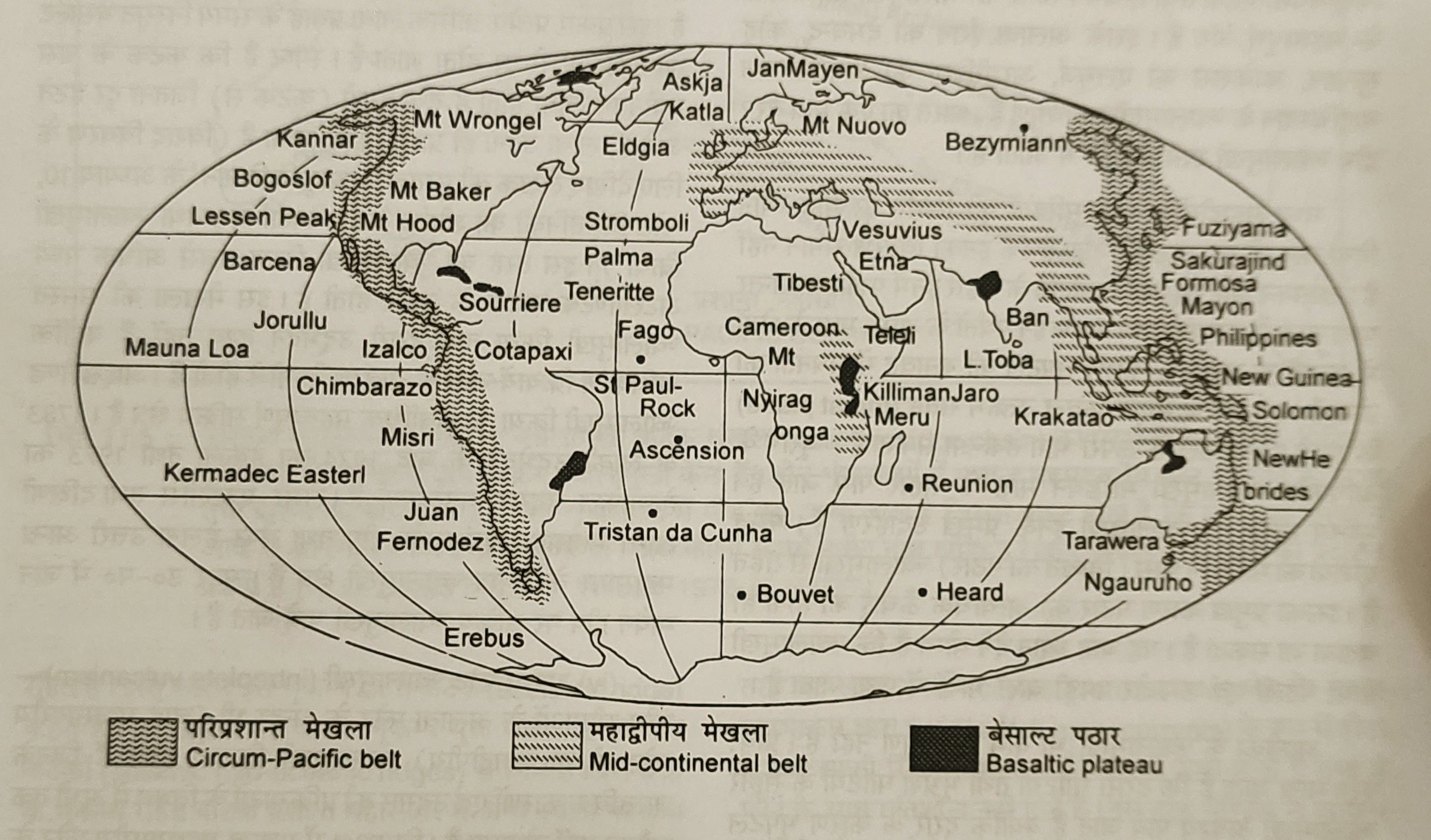
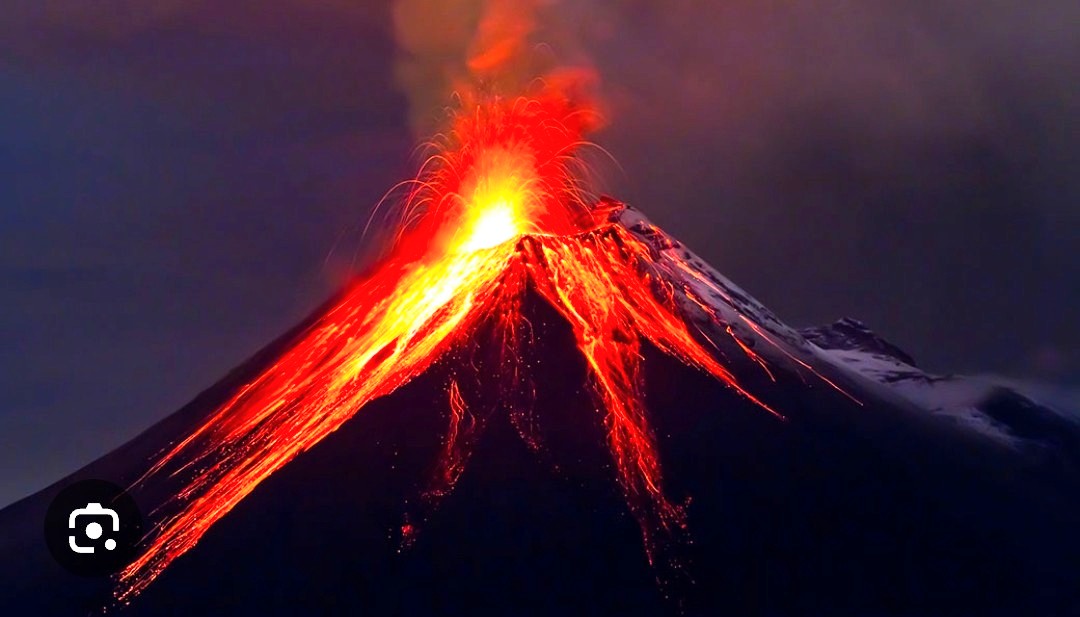
ज्वालामुखी (Volcanoes)जैसा कि नाम से ही स्पष्ट है ज्वालामुखी अर्थात ज्वाला या आग का मुख। अर्थात पृथ्वी के धरातल पर वह छिद्र जहां से तप्त मैग्मा, गैस-वाष्प, धूल, राख आदि निकलते हैं वह ज्वालामुखी कहलाता है ।वरसेस्टर ने ‘ज्वालामुखी क्रिया’ (vulcanicity) के लिए 'Vulcanism' शब्द का प्रयोग किया है। इनके अनुसार ज्वालामुखी वह किया है, जिसमें गर्म पदार्थ का धरातल की तरफ या धरातल पर आने की सभी क्रियाएँ सम्मिलित को जाती हैं।'ज्वालामुखी से निस्सृत पदार्थ-ज्वालामुखी से निस्सृत पदार्थ में सर्वाधिक मात्रा जलवाष्प (लगभग 60 से 90 प्रतिशत) की होती है और गैस के रूप में कार्बन डाइऑक्साइड, नाइट्रोजन और सल्फर डाइऑक्साइड हानिकारक गैस भी निकलती है। इसके अलावा ज्वालामुखी से निस्सृत बड़े-बड़े टुकड़ों को बम कहते हैं। मटर के दाने के आकार वाले टुकड़ों को लैपिली कहते हैं। और बहुत बारीक कणों को ज्वालामुखी धूल या राख कहते । जब उद्‌गार के साथ द्रव रूप में पिघला हुआ भाग बाहर आता है तो उसे लावा कहते हैं।ज्वालामुखी के उद्‌गार स्वरूप और तीव्रता के आधार पर वर्गीकरणउपर्युक्त आधार पर ज्वालामुखी को दो वर्गों में विभाजित किया जाता है-(i) _केन्द्रीय उद्‌गार वाले ज्वालामुखी_ (ii) _धरातलीय या दरारी उद्‌गार वाले ज्वालामुखी।_यहां पर केवल केन्द्रीय उद्‌गार वाले ज्वालामुखी के बारे में बताया गया है जो निम्न प्रकार के हैं-1. हवाई तुल्य ज्वालामुखी।2. स्ट्रामबोली तुल्य ज्वालामुखी।3. वलकैनो तुल्य ज्वालामुखी।4. पीलियन तुल्य ज्वालामुखी।1. हवाई तुल्य ज्वालामुखी-इस प्रकार के ज्वालामुखीयों का उद्‌गार शातवढंग से होता है तथा विस्फोटक बहुत कम होता है। इसका मुख्य कारण लावा का पतला होना तथा गैस की तीव्रता में कमी का होना है। इस कारण गैस धीरे से लावा से अलग होकर भूपटल पर प्रकट हो जाती हैं। उद्‌गार के समय लावा के छोटे छोटे लाल पिण्ड गैसों के साथ ऊपर उछाल दिये जाते हैं। जब वायु द्वारा ये लाल पिण्ड रोक लिये जाते हैं तो लगता है आकाश में लावा पिण्ड केशों (hair) की तरह उड़ रहे हो। हवाई द्वीप के लोग इसे अपनी अग्निदेवी पीली (pelee) की केशराशि समझते हैं। इस तरह का उद्‌गार खासकर हवाई द्वीप पर होता है, जिस कारण इस प्रकार के ज्वालामुखीयों का नामकरण हवाई प्रकार के ज्वालामुखी' किया गया है।2.स्ट्राम्बोली तुल्य-इस तरह का ज्वालामुखी प्रथम प्रकार की अपेक्षा कुछ अधिक तीव्रता से प्रकट होता है। जब गैसों के मार्ग में रुकावट होती है तो कभी-कभी विस्फोटक उद्‌गार भी होते हैं। तरल लावा के अतिरिक विखण्डित पदार्थ, जैसे ज्वालामुखी धूल, झामक (punicont), अवस्कर (scona) तथा ज्यालामुखी बम भी उद्‌गार के समय निकलते हैं, जो अधिक ऊँचाई पर जाकर पुनः कैंटर में गिर पड़ते हैं। इस प्रकार का उद्‌गार भूमध्य सागर में सिसली द्वीप के उत्तर में स्थित लिपारी द्वीप के स्ट्राम्बोली ज्वालामुखी में पाया जाता है तथा इसी के नाम पर इस तरह के उद्‌गार वाले ज्वालामुखियों को 'स्ट्राम्बोली तुल्य   ज्वालामुखी कहते हैं।3. वलकैनो तुल्य ज्वालामुखी-  इस प्रकार का ज्वालामुखी प्रायः विस्फोट एवं भयंकर उद्‌गार के साथ ही प्रकट होता है। इसमे निस्सृत लावा इतना चिपचिपा एवं लसदार होता है की दो उद्गगारों के बीच यह ज्वालामुखी छिद्र पर जमकर उसे ढ़क लेता है। इस तरह गैसों के मार्ग में अवरोध हो जाता हैं। परिणामस्वरूप गैसे अधिक मात्रा में एकत्रित होकर तीव्रता से ऊपर वाले अवरोध को उड़ा देती हैं। इनका आकार प्रायः फूलगोभी के रूप में होता है। इस तरह के उद्‌गार से एसिड से लेकर पैठिक (बेसिक) सभी प्रकार का लावा निस्सृत होता है। इस प्रकार के ज्वालामुखी का नामकरण भूमध्य सागर स्थित लिपारी द्वीप के प्रसिद्ध ज्वालामुखी वलकैनो (vulcano) के आधार पर किया गया है। इसमें प्रत्येक अगला उद्‌भेदन पिछले उद्‌गार से निर्मित लावा की परत को उड़ाकर होता है।4. पीलियन तुल्य ज्वालामुखी- पीलियन प्रकार के ज्वालामुखी सबसे अधिक विनाशकारी होते हैं तथा इनका उद्‌गार सबसे अधिक विस्फोटक एवं भयंकर होता है। इनसे निकला लावा सबसे अधिक चिपचिपा तथा लसदार होता है। उद्‌गार के समय ज्वालामुखी नली में लावा की कठोर पट्टी जमा हो जाती है तथा अगले उद्‌गार के समय भयंकर गैसें इन्हें तीव्रता से तोड़‌कर आवाज करती हुई धरातल पर प्रकट होती हैं। इनसे निस्सृत लावा तथा विखण्डित पदार्थ सर्वाधिक होते हैं। प्रज्जवलित गैसों के कारण ज्वालामुखी मेघ प्रकाशमान हो जाते हैं। 8 मई, सन् 1902 ई० को पश्चिमी द्वीपसमूह के मार्टिनिक द्वीप पर पीली (pelee) ज्वालामुखी का भयंकर उद्‌भेदन हुआ था। इसी आधार पर अत्यधिक विस्फोटक उद्‌गार वाले ज्वालामुखियों का 'पीली तुल्य ज्वालामुखी' कहते हैं। इनके उद्‌गार से पहले शंकु या गुम्बद पूर्णतया या अधिकांश रूप में नष्ट हो जाता है। इसी तरह जावा एवं सुमात्रा के मध्य सुण्डा जलडमरूमध्य में सन् 1883 में क्राकाटाओ (Krakatao) ज्वालामुखी का उद्‌गार हुआ था, जिससे पुराने शंकु का एक तिहाई भाग हवा में उड़ गया। भयंकर गैस एवं वाष्प के कारण 17 मील (27 किमी०) की ऊंचाई तक बादल घिर गये। इतना ही नहीं, अगले उद्‌गार के समय (प्रथम उद्‌गार के केवल एक दिन बाद) ज्वालामुखी धूल एवं राख तथा वाष्प के बादल 50 मील (80 किमी०) की ऊँचाई तक आकाश में पहुंच गया। द्वीप का दो तिहाई भाग सागर में निमज्जित हो गया। उद्‌गार की भयंकर आवाज 3000 मील (4800 किमी०) दूर आस्ट्रेलिया तक सुनी गयी तथा भूकम्प के कारण सागर में 120 फीट ऊंची लहर उठ गयी, जिससे जावा एवं सुमात्रा के तटीय भागों में 36,000 व्यक्ति मारे गये।*क्रमशः...*
Read More
धुंध,कुहरा और कुहासा
MANOJ KUMAR

By: MANOJ KUMAR

👁️ 294 unique views

GEOGRAPHY 09 Jan 2026
धुंध, कुहरा और कुहासा दोनों ही वायुमंडलीय स्थितियां हैं जो दृश्यता को कम करती हैं, लेकिन इनमें कुछ अंतर हैं:धुंध कुहरा (फॉग)- धुंध कुहरा एक प्रकार का बादल है जो जमीन के पास बनता है, जब हवा में जलवाष्प ठंडा होकर बूंदों में बदल जाता है।- यह आमतौर पर सर्दियों में होता है, जब हवा ठंडी और आर्द्र होती है।- धुंध कुहरा दृश्यता को बहुत कम कर देता है, जिससे यातायात और अन्य गतिविधियों में समस्या आती है।कुहासा (हेज)- कुहासा एक प्रकार की धुंध है जो हवा में धूल, धुएं, और अन्य कणों के कारण बनती है।- यह आमतौर पर गर्मियों में होता है, जब हवा गर्म और शुष्क होती है।- कुहासा दृश्यता को कम करता है, लेकिन धुंध कुहरा की तुलना में कम गंभीर होता है।मुख्य अंतर- धुंध कुहरा जलवाष्प के कारण बनता है, जबकि कुहासा धूल, धुएं, और अन्य कणों के कारण बनता है।- धुंध कुहरा आमतौर पर सर्दियों में होता है, जबकि कुहासा गर्मियों में होता है।- धुंध कुहरा दृश्यता को अधिक कम करता है, जबकि कुहासा कम गंभीर होता है।इन अंतरों को समझने से हमें वायुमंडलीय स्थितियों को बेहतर ढंग से समझने और उनके प्रभावों को कम करने में मदद मिलती है।
Read More
डिजिटल लत (Digital Addiction)
ABHISHEK KR JHA

By: ABHISHEK KR JHA

👁️ 514 unique views

ZOOLOGY 02 Jan 2026
 डिजिटल लत (Digital Addiction) -आज का इंसान मोबाइल के साथ जी रहा है, मोबाइल के साथ जागता है और मोबाइल के साथ ही सो जाता है। मोबाइल हमारी ज़रूरत है, इसमें कोई शक नहीं, लेकिन जब यही ज़रूरत आदत बन जाए और आदत लत में बदल जाए, तब वही मोबाइल हमारे मानसिक, शारीरिक और सामाजिक जीवन के लिए खतरा बन जाता है।मोबाइल फ़ोन ने हमारी ज़िंदगी को आसान बनाया है—काम, पढ़ाई, मनोरंजन, सब कुछ हमारी उंगलियों पर है। लेकिन इसी डिजिटल सुविधा ने चुपचाप हमारे मन, शरीर और संबंधों पर नकारात्मक प्रभाव डालना शुरू कर दिया है। आज हर उम्र का व्यक्ति स्क्रीन में इतना उलझ चुका है कि उसे वास्तविक जीवन उबाऊ और धीमा लगने लगा है। यही कारण है कि विशेषज्ञ आज मोबाइल को “नया नशा” या‌ “नोमोफोबिया” या "डिजिटल लत" कह रहे हैं।इस लेख में आप जानेंगे—मोबाइल कैसे हमारी सोच, आदतों और स्वास्थ्य को प्रभावित कर रहा है। "जॉम्बी स्क्रॉलिंग" क्या है? बड़ों और बच्चों पर लत के दुष्परिणाम।मोबाइल से दूरी बनाकर जीवन को कैसे बेहतर बनाया जाए।★मोबाइल से पहले ख़ुद से मिलिए - आपका पूरा दिन कैसा रहेगा, यह इस बात पर निर्भर करता है कि आप अपने दिन की शुरुआत कैसे करते हैं।क्या आपकी सुबह एक तेज़ अलार्म और नोटिफिकेशन की बाढ़ के साथ शुरू होती है ?या फिर शांति, आत्म-जागरूकता और कृतज्ञता के साथ ?आज अधिकांश लोग सुबह आँख खुलते ही मोबाइल उठाते हैं—ई-मेलव्हाट्सएपसोशल मीडियाखबरेंऔर कुछ ही मिनटों में हम पूरी दुनिया की समस्याओं का बोझ अपने दिमाग पर डाल लेते हैं।परिणाम:दिन की शुरुआत ही तनाव, बेचैनी और प्रतिक्रिया (Reactive Mode) से होती है, न कि सृजन (Creative Mode) से।हम दुनिया से मिलने से पहले ख़ुद से मिलने का मौका ही नहीं देते।मोबाइल कैसे भटका रहा है हमारा ध्यान ? 1. नोटिफिकेशन और डोपामिन का जाल - हर नोटिफिकेशन दिमाग में डोपामिन छोड़ता है। यही रसायन हमें बार-बार फोन उठाने के लिए मजबूर करता है।धीरे-धीरे दिमाग शांत रहने की क्षमता खो देता है।‌ 2. निर्णय क्षमता और गहरी सोच पर असर -लगातार स्क्रीन देखने से:एकाग्रता कम होती है,धैर्य घटता है,गहरी सोच और रचनात्मकता खत्म होने लगती है, 3. मल्टीटास्किंग की गलतफहमी-मोबाइल हमें लगता है कि हम एक साथ कई काम कर रहे हैं, जबकि असल में दिमाग बार-बार स्विच कर रहा होता है।इससे मानसिक थकान और चिड़चिड़ापन बढ़ता है।“जॉम्बी स्क्रॉलिंग” आजकल लोग तनाव कम करने के नाम पर लगातार और बिना सोचे-समझे सोशल मीडिया स्क्रॉल करते रहते हैं। इसे ही “Zombie Scrolling” कहा जाता है, मतलब जब कोई व्यक्ति बिना सोच-समझे लगातार सोशल मीडिया या मोबाइल पर स्क्रॉल करता रहता है, उसे “Zombie Scrolling” कहा जाता है।यह देखने में मनोरंजक लगता है, लेकिन असल में:तनाव कम नहीं होता,बल्कि दिमाग और अधिक थक जाता है,नींद खराब होती है,बेचैनी और अवसाद बढ़ता है,एक अध्ययन के अनुसार, एक व्यक्ति एक बार मोबाइल उठाने पर औसतन करीब 300 फीट तक स्क्रॉल कर जाता है—यह दिमाग के लिए अत्यधिक बोझ है।★फोन की लत के दुष्परिणाम (बड़ों में) - 1. नींद में परेशानी -मोबाइल की नीली रोशनी मेलाटोनिन हार्मोन को कम करती है।परिणाम:देर से नींद आना,नींद का बार-बार टूटना,सुबह थकान महसूस होना। 2. आंख, गर्दन और शरीर पर असर -आंखों में जलन और सूखापन,गर्दन व कंधों में दर्द,पीठ की मांसपेशियों पर दबाव, 3. मानसिक प्रभाव-ध्यान केंद्रित न कर पाना,आत्मविश्वास में कमी,तुलना की भावना,अकेलापन और अवसाद,★बच्चों पर मोबाइल का खतरनाक असर -केजीएमयू (लखनऊ) का अध्ययन- 5 वर्ष से कम उम्र के 134 बच्चों पर अध्ययन- बच्चे रोज़ 3–4 घंटे मोबाइल इस्तेमाल कर रहे हैं,यह सामान्य से 2–3 गुना अधिक है,बच्चों में देखे गए प्रभाव-बोलने की क्षमता कमजोर,शब्दों का सही उच्चारण न होना,कई बच्चों में तुतलाहट,हाथों की मांसपेशियों का कमजोर होना,सामाजिक व्यवहार में कमी,ऑटिज़्म पीड़ित बच्चों पर और अधिक गंभीर असर- अध्ययन में:67 ऑटिज़्म पीड़ित67 सामान्य बच्चेपाया गया कि ऑटिज़्म पीड़ित बच्चे रोज़ लगभग 4 घंटे मोबाइल इस्तेमाल कर रहे थे।अधिक मोबाइल उपयोग से बीमारी की गंभीरता बढ़ रही थी।विशेषज्ञों के अनुसार, पाँच वर्ष से कम उम्र में:भाषातर्कशक्तिसामाजिक समझ का विकास सबसे तेज़ होता है।मोबाइल इस प्राकृतिक विकास में बाधा बन रहा है। फोन की लत के और दुष्परिणाम (बच्चों में)-सामाजिक संपर्क में कमी,कल्पनाशक्ति का विकास रुकना,आंखों और दिमाग पर दबाव,चिड़चिड़ापन और जिद्दी व्यवहार। ★अभिभावकों के लिए ज़रूरी कदम -बच्चों को मोबाइल के नुकसान समझाएँ,खुद मोबाइल का सीमित उपयोग करें (बच्चे देखकर सीखते हैं),घर में मोबाइल उपयोग के स्पष्ट नियम बनाएं, रोज़ 1–2 घंटे मोबाइल-मुक्त पारिवारिक समय बिताएं, बच्चों को खेलने, बोलने, कहानी सुनाने और सवाल पूछने के अवसर दें।मोबाइल से दूरी, जीवन से नज़दीकी,मोबाइल पूरी तरह छोड़ना समाधान नहीं है,लेकिन संतुलित और सजग उपयोग ज़रूरी है।★बड़े अपनाएँ ये आदतें:सुबह उठते ही मोबाइल न देखें,भोजन और बातचीत के समय फोन दूर रखें,सोने से 1 घंटा पहले स्क्रीन बंद,ध्यान, योग और माइंडफुलनेस अपनाएँ,किताबें पढ़ें, प्रकृति से जुड़ें।आईए, इन आदतों को और गहराई से समझते हैं -  माइंडफुलनेस का अभ्यास - दिन में 5–10 मिनट आँखें बंद कर सांस पर ध्यान दें।यह दिमाग को शांत करता है और फोन की आदत को कमजोर करता है।  2. मनोवैज्ञानिक विकल्प चुनें - शतरंजलूडो पेंटिंगसंगीतयोगबागवानीकला/क्राफ्ट/कढ़ाई/बुनाई ये गतिविधियाँ दिमाग को रचनात्मक बनाती हैं।  3. किताबें पढ़ें -यदि आपको फोन पर पढ़ना पसंद है तो ई-बुक पढ़ें, लेकिन सोशल मीडिया से दूर रहें। प्रयास करें असली किताबों को पढ़ने का।लक्ष्य रखें—दिन में 20–30 पन्ने। 4. सिर्फ 10 मिनट का ब्रेक लें -अगर आप लगातार फोन देख रहे हैं, तो बीच-बीच में 10 मिनट पूरा ब्रेक लें।इससे आदत कमज़ोर पड़ती है। 5. फ़ोन को दूरी पर रखें - काम या पढ़ाई करते समय मोबाइल को कमरे से बाहर रखें।इससे ध्यान की शक्ति 30% तक बढ़ती है। 6. टेक-फ्री ज़ोन्स बनाएं -बेडरूमडाइनिंग टेबलपूजा का कमरास्टडी रूमयहाँ फोन बिल्कुल न लाएँ।★निष्कर्ष - मोबाइल एक साधन है, साध्य नहीं।अगर हम सावधान नहीं हुए, तो यह साधन हमें नियंत्रित करने लगेगा— हमारी सोच, हमारे रिश्ते और हमारे बच्चों का भविष्य।दुनिया से जुड़ने से पहले, ख़ुद से जुड़िए।बच्चों को स्क्रीन नहीं, समय दीजिए। यही आज की सबसे बड़ी ज़रूरत है।मोबाइल आपका जीवन सुधार सकता है, लेकिन बर्बाद भी कर सकता हैमोबाइल बुरा नहीं है—उसका अनियंत्रित उपयोग हानिकारक है।अगर आप चाहें तो तकनीक आपकी प्रगति का साधन बन सकती है, वरना तनाव और अकेलेपन का कारण भी।फोन का उपयोग करें—लेकिन फोन को अपना मालिक न बनने दें। जीवन को बैलेंस करें, लोग, प्रकृति और खुद से जुड़ें। 
Read More
AI इंसानों से ज़्यादा ‘पानी पी’ रहा है? सच्चाई क्या है?
Dharmendra Bhaskar

By: Dharmendra Bhaskar

👁️ 278 unique views

Computer 24 Dec 2025
❓ क्या आप जानते हैं?AI खुद पानी नहीं पीता,लेकिन AI को चलाने वाले डेटा सेंटर्ससर्वरों को ठंडा रखने के लिए लाखों लीटर पानी इस्तेमाल करते हैं।आर्टिफ़िशियल इंटेलिजेंस (AI) आज हमारी ज़िंदगी का अहम हिस्सा बन चुका है। पढ़ाई, काम, स्वास्थ्य, बैंकिंग और सोशल मीडिया से लेकर चैटबॉट तक—हर जगह AI मौजूद है। लेकिन हाल के दिनों में एक सवाल तेजी से उठ रहा है: क्या AI इंसानों से भी ज़्यादा पानी इस्तेमाल कर रहा है?🔍 ऐसा क्यों?हज़ारों सर्वर 24×7 चलते हैंसर्वर बहुत गर्म हो जाते हैंठंडा करने के लिए Water-based cooling / Cooling towersनतीजा: अप्रत्यक्ष लेकिन भारी जल-खपतइस सवाल का सीधा जवाब है—AI खुद पानी नहीं पीता, लेकिन AI को चलाने वाली डेटा सेंटर्स की विशाल मशीनरी बहुत अधिक पानी खर्च करती है। दरअसल, AI मॉडल्स को चलाने के लिए हज़ारों सर्वर 24 घंटे काम करते हैं। ये सर्वर अत्यधिक गर्म हो जाते हैं, और उन्हें ठंडा रखने के लिए वॉटर-बेस्ड कूलिंग सिस्टम, कूलिंग टॉवर और इवैपोरेटिव कूलिंग का इस्तेमाल किया जाता है।📊 एक तुलना👤 एक इंसान: 3–4 लीटर/दिन🖥️ एक बड़ा डेटा सेंटर: हज़ारों इंसानों जितना पानीविशेषज्ञों के अनुसार, एक बड़ा डेटा सेंटर प्रतिदिन लाखों लीटर पानी का उपयोग कर सकता है। कुछ आकलनों में यह भी कहा गया है कि AI से जुड़ी एक छोटी-सी डिजिटल गतिविधि (जैसे कई सवाल पूछना) के पीछे भी अप्रत्यक्ष रूप से पानी की खपत होती है। इसकी तुलना में एक सामान्य इंसान दिनभर में औसतन 3–4 लीटर पानी पीता है।⚠️ समस्या क्यों गंभीर है?कई डेटा सेंटर्स जल-संकट वाले इलाकों मेंस्थानीय लोगों, खेती और पीने के पानी पर दबावतकनीक की बढ़त = संसाधनों पर और दबावयह समस्या इसलिए और गंभीर हो जाती है क्योंकि कई डेटा सेंटर्स ऐसे इलाकों में स्थित हैं जहाँ पहले से ही जल संकट है। इससे स्थानीय आबादी, खेती और पीने के पानी पर दबाव बढ़ता है। इसलिए “AI इंसानों से ज़्यादा पानी पी रहा है” कहना पूरी तरह गलत नहीं, लेकिन यह अधूरी सच्चाई है—असल मुद्दा है AI इंफ्रास्ट्रक्चर की जल-खपत।🌱 समाधान क्या है?Green AI और ऊर्जा-कुशल मॉडलAir-cooling / Closed-loop systemsRecycled water और Renewable energyजिम्मेदार तकनीकी उपयोगसकारात्मक पक्ष यह है कि इसका समाधान संभव है। विशेषज्ञ ग्रीन AI, रीसाइकल्ड पानी, एयर-कूलिंग तकनीक, और नवीकरणीय ऊर्जा से चलने वाले डेटा सेंटर्स की ओर बढ़ने की सलाह दे रहे हैं। साथ ही, कम ऊर्जा और कम संसाधन लेने वाले एफ़िशिएंट AI मॉडल्स पर भी काम हो रहा है। 
Read More
दैनिक जीवन में अर्थशास्त्र के अध्ययन का महत्व और जीवन-शैली पर उसका प्रभाव
Vandana Singh

By: Vandana Singh

👁️ 203 unique views

ECONOMICS 20 Dec 2025
दैनिक जीवन में अर्थशास्त्र के अध्ययन का महत्व और जीवन-शैली पर उसका प्रभावअर्थशास्त्र केवल पुस्तकों और कक्षाओं तक सीमित विषय नहीं है, बल्कि यह हमारे दैनिक जीवन से गहराई से जुड़ा हुआ है। यह विषय हमें यह समझने में मदद करता है कि सीमित संसाधनों का उपयोग किस प्रकार किया जाए ताकि अधिकतम संतुष्टि और लाभ प्राप्त हो सके। आधुनिक जीवन में जहाँ आय सीमित होती है और आवश्यकताएँ असीमित, वहाँ अर्थशास्त्र का ज्ञान जीवन को संतुलित और सुव्यवस्थित बनाने में महत्वपूर्ण भूमिका निभाता है।दैनिक जीवन में प्रत्येक व्यक्ति को अनेक आर्थिक निर्णय लेने पड़ते हैं, जैसे—खर्च करना, बचत करना, निवेश करना या ऋण लेना। अर्थशास्त्र हमें लागत-लाभ विश्लेषण सिखाता है, जिससे हम किसी भी निर्णय के सकारात्मक और नकारात्मक पहलुओं को समझ पाते हैं। इसका परिणाम यह होता है कि व्यक्ति अनावश्यक खर्च से बचता है और अपने संसाधनों का विवेकपूर्ण उपयोग करता है। इससे जीवन-शैली में अनुशासन, योजना और स्थिरता आती है।अर्थशास्त्र का अध्ययन हमें आय और व्यय के बीच संतुलन बनाए रखने की कला सिखाता है। बजट बनाना, प्राथमिकताओं को तय करना और भविष्य के लिए बचत करना—ये सभी आदतें अर्थशास्त्र से विकसित होती हैं। जब व्यक्ति आर्थिक रूप से जागरूक होता है, तो वह आकस्मिक परिस्थितियों जैसे बीमारी, बेरोज़गारी या महँगाई का सामना आत्मविश्वास के साथ कर सकता है। इस प्रकार, अर्थशास्त्र जीवन को अधिक सुरक्षित और तनावमुक्त बनाता है।इसके अलावा, अर्थशास्त्र हमें व्यापक सामाजिक और राष्ट्रीय समस्याओं को समझने की दृष्टि देता है। महँगाई, बेरोज़गारी, गरीबी, असमानता, कर प्रणाली और सरकारी बजट जैसे विषयों की समझ व्यक्ति को एक जागरूक नागरिक बनाती है। इससे वह नीतियों का मूल्यांकन कर पाता है और समाज के विकास में सकारात्मक योगदान देने के लिए प्रेरित होता है। अर्थशास्त्र सामाजिक उत्तरदायित्व की भावना को भी मजबूत करता है।अर्थशास्त्र का प्रभाव जीवन-शैली पर भी स्पष्ट रूप से दिखाई देता है। यह व्यक्ति को भविष्य के प्रति सजग बनाता है और तात्कालिक लाभ के बजाय दीर्घकालिक कल्याण पर ध्यान देना सिखाता है। निवेश, बीमा और जोखिम प्रबंधन जैसे विचार जीवन में स्थायित्व लाते हैं। साथ ही, उपभोक्ता के रूप में व्यक्ति अधिक समझदार बनता है और बाज़ार में होने वाले परिवर्तनों को बेहतर ढंग से समझ पाता है।अंततः, अर्थशास्त्र का अध्ययन हमारी सोच को तार्किक, व्यावहारिक और दूरदर्शी बनाता है। यह हमें आत्मनिर्भर बनने, सही निर्णय लेने और संसाधनों का सम्मान करना सिखाता है। इस प्रकार, दैनिक जीवन में अर्थशास्त्र न केवल हमारी आर्थिक स्थिति को सुधारता है, बल्कि हमारी संपूर्ण जीवन-शैली को अधिक संतुलित, संगठित और उद्देश्यपूर्ण बनाने में सहायक सिद्ध होता है।
Read More
सुर, साधना और सफलता: बनारस से म्यूजिक शिक्षा का महत्व
Dr Satya Gupta

By: Dr Satya Gupta

👁️ 262 unique views

Music 19 Dec 2025
🎶 बनारस से म्यूजिक की पढ़ाई का महत्वबनारस (वाराणसी) केवल एक शहर नहीं, बल्कि संगीत, संस्कृति और साधना की जीवंत परंपरा है। यहाँ से म्यूजिक की पढ़ाई करना केवल डिग्री प्राप्त करना नहीं, बल्कि सदियों पुरानी गुरु–शिष्य परंपरा, आध्यात्मिक वातावरण और शास्त्रीय संगीत की गहराई को आत्मसात करना है। यही कारण है कि बनारस को भारतीय संगीत की एक महत्वपूर्ण राजधानी माना जाता है।🎼 बनारस घराने की समृद्ध विरासतबनारस घराना भारतीय शास्त्रीय संगीत में अपनी विशिष्ट पहचान रखता है—चाहे वह गायन हो, तबला, पखावज या ठुमरी। बनारस से म्यूजिक की पढ़ाई करने वाले विद्यार्थी इस परंपरा की शुद्धता, भाव और लय की बारीकियों को निकट से समझ पाते हैं, जो अन्य स्थानों पर दुर्लभ है।🧘 आध्यात्मिक वातावरण और रियाज़गंगा तट, मंदिरों की घंटियाँ, आरती के स्वर और सुबह–शाम का शांत वातावरण संगीत साधना के लिए आदर्श माना जाता है। यहाँ का आध्यात्मिक माहौल विद्यार्थियों में एकाग्रता, अनुशासन और भावनात्मक गहराई विकसित करता है, जो संगीत सीखने के लिए अत्यंत आवश्यक है।👨‍🏫 गुरु–शिष्य परंपरा का जीवंत अनुभवबनारस आज भी गुरु–शिष्य परंपरा को जीवित रखे हुए है। यहाँ विद्यार्थी केवल कक्षा तक सीमित नहीं रहते, बल्कि अपने गुरु के सान्निध्य में रहकर संगीत की बारीकियों, मंचीय अनुशासन और जीवन मूल्यों को सीखते हैं।🎓 प्रतिष्ठित शिक्षण संस्थानबनारस में कई प्रतिष्ठित विश्वविद्यालय, महाविद्यालय और संगीत विद्यालय हैं, जहाँ BA Music, MA Music और शोध (PhD) तक की पढ़ाई उपलब्ध है। अनुभवी गुरुजन, शास्त्रीय प्रशिक्षण और शैक्षणिक संरचना विद्यार्थियों को मजबूत आधार प्रदान करती है।🌍 राष्ट्रीय और अंतरराष्ट्रीय पहचानबनारस से प्रशिक्षित संगीतकारों को देश ही नहीं, विदेशों में भी विशेष सम्मान मिलता है। बनारस की पहचान अपने आप में एक ब्रांड है, जो मंच, संस्थानों और श्रोताओं के बीच विश्वास पैदा करती है।🎧 परंपरा और तकनीक का संतुलनआज बनारस के संगीत विद्यार्थी परंपरा के साथ-साथ रिकॉर्डिंग, डिजिटल म्यूजिक, ऑनलाइन प्लेटफॉर्म और आधुनिक तकनीकों से भी जुड़ रहे हैं। इससे उन्हें वैश्विक स्तर पर अपनी कला प्रस्तुत करने का अवसर मिलता है।🎶 विद्यार्थियों का उज्ज्वल भविष्यसंगीत केवल मनोरंजन का माध्यम नहीं है, बल्कि यह आत्मा की अभिव्यक्ति, संस्कृति की पहचान और एक सशक्त करियर विकल्प भी है। BA Music और MA Music के विद्यार्थियों के लिए आज का समय अत्यंत संभावनाओं से भरा हुआ है। बदलती तकनीक और डिजिटल प्लेटफॉर्म्स ने संगीत के क्षेत्र को नए आयाम दिए हैं, जिससे संगीत विद्यार्थियों का भविष्य पहले से कहीं अधिक उज्ज्वल हो गया है।🎵 शास्त्रीय से आधुनिक तक विस्तृत अवसरआज संगीत केवल मंच तक सीमित नहीं रहा। शास्त्रीय, सुगम, लोक, फिल्म, फ्यूज़न और वेस्टर्न म्यूज़िक—हर शैली में प्रशिक्षित संगीतकारों की मांग है। BA Music विद्यार्थियों को मजबूत आधार देता है, जबकि MA Music विद्यार्थियों को शोध, गहराई और विशेषज्ञता प्रदान करता है।💼 करियर के विविध रास्तेBA और MA Music के विद्यार्थी कई क्षेत्रों में अपना करियर बना सकते हैं, जैसे—शास्त्रीय या आधुनिक गायक/वादकम्यूज़िक टीचर, लेक्चरर या प्रोफेसरम्यूज़िक कंपोज़र और अरेंजरफिल्म, वेब सीरीज़ और विज्ञापन के लिए म्यूज़िक क्रिएटररिकॉर्डिंग आर्टिस्ट और म्यूज़िक प्रोड्यूसरम्यूज़िक थैरेपिस्टरेडियो जॉकी, म्यूज़िक जर्नलिस्टयूट्यूब, इंस्टाग्राम और डिजिटल प्लेटफॉर्म पर कंटेंट क्रिएटर🌐 डिजिटल युग में वैश्विक मंचआज YouTube, Spotify, Apple Music, Instagram Reels और अन्य डिजिटल प्लेटफॉर्म्स ने संगीतकारों को अंतरराष्ट्रीय पहचान दिलाने का अवसर दिया है। अब किसी बड़े मंच या कंपनी का इंतज़ार किए बिना, विद्यार्थी अपनी कला को सीधे श्रोताओं तक पहुँचा सकते हैं और इससे आय भी अर्जित कर सकते हैं।🧠 संगीत और व्यक्तित्व विकाससंगीत साधना अनुशासन, धैर्य, एकाग्रता और भावनात्मक संतुलन सिखाती है। BA और MA Music के विद्यार्थी न केवल कुशल कलाकार बनते हैं, बल्कि उनका व्यक्तित्व भी संवेदनशील, आत्मविश्वासी और रचनात्मक बनता है, जो जीवन के हर क्षेत्र में सहायक होता है।🎼 शोध, संरक्षण और संस्कृति की भूमिकाMA Music के विद्यार्थियों के लिए शोध, संगीत संरक्षण, लोक संगीत का दस्तावेज़ीकरण और भारतीय सांस्कृतिक विरासत को आगे बढ़ाने का महत्वपूर्ण अवसर होता है। विश्वविद्यालय, शोध संस्थान और सांस्कृतिक संगठन ऐसे विशेषज्ञों की आवश्यकता महसूस करते हैं।✨ निष्कर्षबनारस से म्यूजिक की पढ़ाई करना सौभाग्य की बात है। यह स्थान संगीत को केवल कला नहीं, बल्कि साधना, संस्कार और जीवन दर्शन के रूप में सिखाता है। जो विद्यार्थी बनारस से संगीत सीखते हैं, वे न केवल कुशल कलाकार बनते हैं, बल्कि भारतीय सांस्कृतिक विरासत के संवाहक भी बनते हैं।BA Music और MA Music के विद्यार्थियों के लिए संगीत आज केवल एक शौक नहीं, बल्कि एक सम्मानजनक और संभावनाओं से भरा करियर है। यदि विद्यार्थी नियमित अभ्यास, तकनीक के सही उपयोग और निरंतर सीखने की भावना के साथ आगे बढ़ें, तो उनका भविष्य निश्चित रूप से उज्ज्वल और सफल होगा। संगीत साधना के साथ समर्पण ही सफलता की कुंजी है।
Read More
जब आपको लगे कि लोग मुझे समझते नहीं हैं
Dr Gaurav Mishra

By: Dr Gaurav Mishra

👁️ 637 unique views

English 18 Dec 2025
“कहने को साथ अपने एक दुनिया चलती है, पर छुप के इस दिल में तन्हाई पलती है” - जावेद अख्तरज़िंदगी में एक ऐसा समय ज़रूर आता है, जब हमें लगता है कि हमारे आसपास के लोग हमें समझ ही नहीं पा रहे हैं । करियर, दोस्ती, प्यार और भविष्य को लेकर हमारे मन में कई सवाल होते हैं। लेकिन कभी पापा नहीं समझ रहे होते, कभी मम्मी तो कभी समाज हमें टोकता रहता है क्योंकि हम उनसे थोड़ा अलग सोचते हैं।हम कुछ कहना चाहते हैं, लेकिन बात अधूरी रह जाती है। हमारे मन की बात कोई सुनता नहीं, या सुनकर भी समझना नहीं चाहता। ऐसे समय में इंसान खुद को अकेला महसूस करने लगता है, भले ही भीड़ में क्यों न हो। तब मन में यह सवाल उठता है—“क्या मेरी सोच गलत है?”असल में जब लोग हमें नहीं समझते, तो सबसे पहले हमें खुद को समझना चाहिए। कई बार हम अपनी बात साफ़ शब्दों में रख नहीं पाते हैं, या सामने वाला हमें अपनी सोच के चश्मे से देखने लगता है। हर इंसान का सोचने का तरीका अलग होता है। इसलिए यह ज़रूरी नहीं कि हर कोई हमें उसी तरह समझे, जैसे हम चाहते हैं।ऐसे समय में खुद पर शक करने के बजाय खुद पर भरोसा रखना ज़्यादा ज़रूरी होता है। अगर आपकी नीयत साफ़ है और आप सही दिशा में मेहनत कर रहे हैं, तो देर-सवेर लोग आपकी बात समझेंगे, और अगर न भी समझें, तो भी आपकी मेहनत और ईमानदारी कम नहीं हो जाती।यह भी सच है कि अकेलापन हमें मजबूत बनाता है। जब कोई हमें नहीं समझता, तब हम खुद के सबसे अच्छे साथी बन जाते हैं। अपनी भावनाओं को किसी भी रूप में व्यक्त कर, जैसे डायरी में लिखकर, पेंटिंग बनाकर या एक सिंपल स्टेटस लगाकर, हम खुद को जानने लगते हैं। हम अपनी कमज़ोरियों को पहचानते हैं और अपनी ताकत को समझते हैं। यही समय हमें अंदर से बड़ा बनाता है।इसलिए अगर आपको लगे कि लोग आपको नहीं समझते, तो इसे अपनी हार मत समझिए। यह आपके अलग सोचने और आगे बढ़ने का संकेत है। 
Read More
Real-Life Applications of Differentiation
Kuldeep Kr. Sharma

By: Kuldeep Kr. Sharma

👁️ 81 unique views

MATHEMATICS 17 Dec 2025
 Real-Life Applications of Differentiation    Differentiation is the process of finding the rate at which a function is changing at any given point. It measures how a function's output changes in response to changes in its input. The process of differentiation gives us the derivative, which represents the slope or rate of change of the function.Some of the common real-life applications of differentiation are:Physics and Engineering: Differentiation is used to describe motion. For example, the velocity of an object is the derivative of its position with respect to time. The acceleration is the derivative of velocity.Example: A car is moving along a straight road. The position of the car at any time t is given by s(t) = 5t2 meters. To find the car’s velocity (rate of change of position), we differentiate the position function with respect to time: v(t) = d(5t2)/dt = 10t m/s.So, the car’s velocity increases with time.Economics: In economics, differentiation is used to understand how changes in one variable (like the price of a product) affect another (such as the demand or revenue). Marginal cost and marginal revenue are examples of derivatives that help businesses optimize production and pricing strategies.Example: A company’s total revenue, R(x), from selling x units of a product is given by R(x) = 50x − 0.5x2. To find the marginal revenue (rate of change of revenue), we differentiate the revenue function with respect to x: Marginal Revenue = d(50x − 0.5x2)/dx = 50 − x.So, when 40 units are sold, the marginal revenue is 50 − 40 = 10 dollars per unit.Medicine and Biology: Differentiation is used to model how diseases spread or how populations of cells grow. For instance, the rate at which a drug concentration changes in the bloodstream can be modelled using derivatives. Similarly, in biology, population growth models often involve differential equations.Example: The concentration of a drug in a patient’s bloodstream is modelled by the function C(t) = 100e−0.1t, where t is time in hours. To find how quickly the concentration is decreasing, we differentiate the function with respect to time: dC/dt = −10e−0.1t.This derivative shows that the concentration is decreasing exponentially over time.Optimization Problems: In business and finance, differentiation helps optimize functions such as profit, cost, or investment returns. By finding the maximum or minimum points of these functions, companies can make better decisions about resource allocation.Example: A business finds that the profit P(x) from selling x units of a product is P(x) = −2x2 + 400x − 500. To maximize profit, we find the critical points by differentiating the profit function and setting it equal to zero: P′(x) = −4x + 400.Setting P′(x) = 0 gives: −4x + 400 = 0 ⇒ x = 100.The company should sell 100 units to maximize profit.Machine Learning and Artificial Intelligence: Differentiation plays a key role in training machine learning models, particularly in methods like gradient descent, where the goal is to minimize the error function. The gradient (derivative) of the loss function tells the model how to adjust its parameters to improve performance.Example: In training a machine learning model, suppose the cost function J(θ) with respect to model parameters θ is given by J(θ) = θ2 + 3θ + 5.To minimize the cost function, we compute the gradient (derivative) with respect to θ: dJ(θ)/dθ = 2θ + 3.Gradient descent updates the parameters θ in the direction opposite to the gradient. If θ = −1, then the gradient is 2(−1) + 3 = 1, and the next step will be to adjust θ to reduce the
Read More
फाइन आर्ट्स के विद्यार्थियों का सुनहरा भविष्य
Dr ANJALI MAURYA

By: Dr ANJALI MAURYA

👁️ 1020 unique views

Fine Arts 16 Dec 2025
🎨 फाइन आर्ट्स के विद्यार्थियों का सुनहरा भविष्य फाइन आर्ट्स केवल कला का अध्ययन नहीं है, बल्कि यह सोचने, महसूस करने और अभिव्यक्त करने का एक सशक्त माध्यम है। बदलते समय और डिजिटल युग में फाइन आर्ट्स के विद्यार्थियों के लिए करियर की संभावनाएँ तेज़ी से बढ़ी हैं, जिससे इस क्षेत्र का भविष्य और भी उज्ज्वल दिखाई देता है।रचनात्मकता से बनता करियरआज के दौर में हर उद्योग को रचनात्मक दिमाग की ज़रूरत है। विज्ञापन, फिल्म, वेब डिज़ाइन, सोशल मीडिया कंटेंट, एनीमेशन और गेम डिज़ाइन जैसे क्षेत्रों में फाइन आर्ट्स के विद्यार्थियों की मांग लगातार बढ़ रही है। उनकी कल्पनाशील सोच किसी भी ब्रांड या प्रोजेक्ट को अलग पहचान दिला सकती है।करियर के विस्तृत अवसरफाइन आर्ट्स में शिक्षा प्राप्त करने के बाद विद्यार्थी कई क्षेत्रों में अपना भविष्य बना सकते हैं, जैसे—पेंटर और इलस्ट्रेटरग्राफिक और वेब डिज़ाइनरएनिमेटर और विज़ुअल आर्टिस्टफैशन और इंटीरियर डिज़ाइनरफोटोग्राफर और वीडियो क्रिएटरआर्ट टीचर, लेक्चरर या ट्रेनरआर्ट डायरेक्टर और क्यूरेटरइसके अलावा, फ्रीलांसिंग और ऑनलाइन प्लेटफॉर्म्स के ज़रिये वे स्वतंत्र रूप से भी काम कर सकते हैं।डिजिटल प्लेटफॉर्म से वैश्विक पहचानआज सोशल मीडिया, ब्लॉग, NFT, ऑनलाइन आर्ट गैलरी और ई-कॉमर्स वेबसाइट्स ने कलाकारों को अंतरराष्ट्रीय मंच प्रदान किया है। फाइन आर्ट्स के विद्यार्थी अपनी कला को दुनिया भर के दर्शकों तक पहुँचा सकते हैं और ऑनलाइन कमाई के नए रास्ते खोल सकते हैं।आत्मनिर्भरता और व्यक्तित्व विकासफाइन आर्ट्स विद्यार्थियों को केवल आर्थिक रूप से नहीं, बल्कि मानसिक और भावनात्मक रूप से भी सशक्त बनाता है। यह धैर्य, अनुशासन, आत्मविश्वास और समस्याओं को नए दृष्टिकोण से देखने की क्षमता विकसित करता है, जो किसी भी प्रोफेशन में सफलता के लिए आवश्यक है।निष्कर्षफाइन आर्ट्स के विद्यार्थियों के लिए आज का समय अवसरों से भरा हुआ है। यदि वे अपनी कला को तकनीक के साथ जोड़ें, निरंतर अभ्यास करें और नए ट्रेंड्स को अपनाएँ, तो उनका भविष्य निश्चय ही उज्ज्वल और सफल होगा। फाइन आर्ट्स अब केवल शौक नहीं, बल्कि एक मजबूत और सम्मानजनक करियर विकल्प बन चुका है।
Read More
Working of Optical Fiber Cable for Internet Communication
UDAY RAJ SINGH

By: UDAY RAJ SINGH

👁️ 157 unique views

PHYSICS 16 Dec 2025
 Working of Optical Fiber Cable for Internet CommunicationAn optical fiber cable is an advanced transmission medium used to deliver internet services at very high speeds. Instead of electrical signals, it carries information in the form of light waves, allowing data to travel quickly and efficiently over long distances.Operating PrincipleOptical fiber functions based on the principle of total internal reflection. When light enters the fiber core at an appropriate angle, it reflects repeatedly within the core and continues to move forward without escaping.Structure of an Optical FiberAn optical fiber cable is made up of three main layers:Core—A thin strand of glass or plastic that guides the light signals.Cladding—Surrounds the core and reflects light into it.Outer jacket—Protects against physical and environmental damage.Data Transmission ProcessInternet data is first converted into digital form and then transformed into light pulses using a laser or LED transmitter. These pulses travel through the fiber core via internal reflection. At the receiving end, a photodetector captures the light signals and converts them back into electrical signals, which are then processed as usable data.Types of Optical FiberSingle-mode fiber – Suitable for long-distance, high-bandwidth communication.Multi-mode fiber—Used for shorter distances such as local area networks.AdvantagesExtremely high data speedMinimal signal loss over long distancesResistance to electromagnetic interferenceSecure and reliable data transmission 
Read More
Role of Mathematics in Advanced Engineering
Suresh Kumar Tiwari

By: Suresh Kumar Tiwari

👁️ 207 unique views

MATHEMATICS 15 Dec 2025
Role of Mathematics in Advanced EngineeringMathematics is a fundamental pillar of advanced engineering, serving as the primary framework for understanding, analyzing, and solving complex technical problems. It provides engineers with precise methods to describe physical systems and transform real-world challenges into manageable models. Almost every branch of modern engineering—including mechanical, civil, electrical, aerospace, computer, and biomedical engineering—depends on mathematical concepts for effective design and innovation.A key contribution of mathematics is in engineering modeling and simulation. Through tools such as differential equations, calculus, and linear algebra, engineers can represent physical processes like fluid motion, heat flow, stress distribution, and electrical circuits. These mathematical models make it possible to test designs virtually, saving time, reducing costs, and minimizing risks before implementation.Mathematics also plays a vital role in optimization and efficiency improvement. Using statistical analysis, probability theory, and optimization techniques, engineers can determine the best possible solutions under given constraints. This helps in designing lighter structures, improving energy efficiency, enhancing system reliability, and streamlining production processes.In the field of control and automation, mathematics is indispensable. Concepts from matrix theory and differential equations are used to develop control systems that ensure stability, accuracy, and responsiveness in applications such as robotics, aircraft control, and automated manufacturing. Additionally, signal processing relies on mathematical tools like Fourier transforms to transmit, analyze, and interpret data accurately.Moreover, advanced technologies such as artificial intelligence, machine learning, and data analytics are deeply rooted in mathematics. Algorithms that enable intelligent decision-making depend on calculus, linear algebra, and statistics.Overall, mathematics forms the backbone of advanced engineering, empowering engineers to innovate, optimize systems, and address complex technological challenges with precision and confidence.
Read More
ग्रामीण महिलाओं में शिक्षा का विकास : एक अवलोकन
Dr Shashi Pandey

By: Dr Shashi Pandey

👁️ 133 unique views

Sociology 15 Dec 2025
सारांशकिसी भी देश के विकास के लिए महिला शिक्षा अत्यंत महत्वपूर्ण है और विशेष रूप से ग्रामीण महिलाओं की शिक्षा सामाजिक उत्थान का प्रमुख आधार है। शिक्षा प्राप्त करके महिलाएँ अपने अधिकारों के प्रति जागरूक होती हैं और परिवार तथा समाज के विकास में महत्वपूर्ण भूमिका निभाती हैं।ग्रामीण महिलाओं की शिक्षा न केवल उन्हें सशक्त बनाती है बल्कि उनमें आत्मविश्वास भी उत्पन्न करती है। शिक्षा के माध्यम से वे अपने जीवन से जुड़ी समस्याओं को समझ पाती हैं और उनका समाधान खोज सकती हैं।मुख्य शब्द : महिला शिक्षा, ग्रामीण विकास, महिला सशक्तिकरणभूमिकाकिसी भी देश के सामाजिक, आर्थिक और राजनीतिक विकास में शिक्षा का विशेष महत्व है। शिक्षा व्यक्ति के व्यक्तित्व का विकास करती है तथा समाज में व्याप्त कुरीतियों को दूर करने में सहायक होती है।महिला शिक्षा ग्रामीण विकास की नींव है क्योंकि शिक्षित महिला पूरे परिवार और समाज को शिक्षित करती है। भारत जैसे विकासशील देश में आज भी ग्रामीण क्षेत्रों में महिला शिक्षा की स्थिति संतोषजनक नहीं है।ग्रामीण क्षेत्रों में परंपराएँ, रूढ़ियाँ और आर्थिक पिछड़ापन महिला शिक्षा में प्रमुख बाधाएँ हैं। इसके बावजूद वर्तमान समय में महिलाओं की साक्षरता दर में वृद्धि हुई है, जो एक सकारात्मक संकेत है।महिला शिक्षा की समस्याएँग्रामीण महिलाओं की शिक्षा में अनेक सामाजिक, आर्थिक और सांस्कृतिक बाधाएँ हैं, जैसे—पुरुष प्रधान समाज में लड़कियों की शिक्षा को कम महत्व दिया जानाबाल विवाह की समस्यागरीबी के कारण लड़कियों को घरेलू कार्यों में लगा देनाविद्यालयों की कमी एवं दूर स्थित विद्यालयमहिला शिक्षिकाओं की कमीयातायात के साधनों का अभावसुरक्षा संबंधी चिंताएँइन सभी कारणों से ग्रामीण क्षेत्रों में लड़कियों की शिक्षा प्रभावित होती है। सरकारी प्रयासभारत सरकार तथा राज्य सरकारों द्वारा महिला शिक्षा को बढ़ावा देने के लिए कई योजनाएँ चलाई गई हैं, जैसे—सर्व शिक्षा अभियानमध्याह्न भोजन योजनाबालिका शिक्षा कार्यक्रमकस्तूरबा गांधी बालिका विद्यालयराष्ट्रीय माध्यमिक शिक्षा अभियानछात्रवृत्ति योजनाएँइन योजनाओं का उद्देश्य ग्रामीण क्षेत्रों में बालिकाओं को शिक्षा के प्रति प्रोत्साहित करना है।सुझावग्रामीण बालिकाओं को पूर्णतः निःशुल्क शिक्षा उपलब्ध कराई जाएविद्यालयों में शौचालय एवं अन्य आवश्यक सुविधाएँ सुनिश्चित की जाएँमहिला विद्यालयों की स्थापना की जाएयातायात एवं सड़क सुविधाओं में सुधार किया जाएमहिला शिक्षा के प्रति जागरूकता अभियान चलाए जाएँनिष्कर्षग्रामीण विकास के लिए महिला शिक्षा अनिवार्य है। शिक्षित महिलाएँ ही परिवार, समाज और राष्ट्र के समग्र विकास में योगदान दे सकती हैं। महिला शिक्षा को बढ़ावा देकर ही सामाजिक कुरीतियों, अशिक्षा और असमानता को दूर किया जा सकता है।अतः ग्रामीण महिलाओं की शिक्षा को प्राथमिकता देना समय की आवश्यकता है। डॉ. शशि पाण्डेयअसिस्टेंट प्रोफेसर, महादेव पीजी कॉलेज, दरियापुर, वाराणसी
Read More
महात्मा गांधी की नई तालीम और राष्ट्रीय शिक्षा नीति 2020
Dr Pratibha Singh

By: Dr Pratibha Singh

👁️ 145 unique views

POLITICAL SCIENCE 08 Dec 2025
महात्मा गांधी की "नई तालीम "और राष्ट्रीय शिक्षा नीति 2020भूमिकाभारत की शिक्षा प्रणाली समय–समय पर सामाजिक आवश्यकताओं के अनुसार परिवर्तित होती रही है। महात्मा गांधी द्वारा प्रस्तावित नई तालीम (Basic Education/ Wardha Scheme) और आधुनिक भारत की राष्ट्रीय शिक्षा नीति 2020 – दोनों ही शिक्षा को अधिक व्यावहारिक, सर्वांगीण, और मूल्य-आधारित बनाने पर जोर देती हैं। यह शोध पत्र इन दोनों अवधारणाओं की तुलना करते हुए उनकी प्रासंगिकता को स्पष्ट करता है।---महात्मा गांधी की नई तालीममहात्मा गांधी ने 1937 में नई तालीम की अवधारणा प्रस्तुत की, जिसे बेसिक एजुकेशन भी कहा जाता है। इसके मुख्य बिंदु—1. काम और शिक्षा का समन्वय (Learning by Doing)शिक्षा किसी उत्पादक कार्य जैसे—चरखा, हस्तकला, कृषि आदि से जुड़ी हो।2. आत्मनिर्भरताविद्यालय छात्रों को स्वावलंबी बनाए ताकि वे पढ़ाई के साथ उपयोगी कौशल भी सीखें।3. मूल्य शिक्षासत्य, अहिंसा, सहयोग, श्रम, स्वच्छता और सामाजिक जिम्मेदारी जैसी नैतिक शिक्षाएँ।4. मातृभाषा में शिक्षाप्रारम्भिक शिक्षा अपनी मातृभाषा में दी जाए, जिससे सीखना सरल हो।5. सर्वांगीण विकासबौद्धिक, शारीरिक, सामाजिक और भावनात्मक विकास पर समान ध्यान। ---राष्ट्रीय शिक्षा नीति 2020NEP 2020 एक व्यापक सुधार है जो शिक्षा को अधिक लचीला, कौशल आधारित और आधुनिक बनाने पर केंद्रित है। इसके मुख्य बिंदु—1. 5+3+3+4 संरचनानई स्कूली संरचना बच्चों के विकासानुसार बनाई गई।2. कौशल आधारित शिक्षा (Skill-based learning)व्यावसायिक शिक्षा, इंटर्नशिप, और कार्य-आधारित सीखने पर जोर।3. मातृभाषा में शिक्षाकक्षा 5 (और आवश्यकतानुसार 8) तक मातृभाषा/स्थानीय भाषा में पढ़ाई।4. समग्र और बहुविषयी शिक्षाकला, खेल, विज्ञान, व्यावसायिक विषय – सभी को समान महत्व।5. चरित्र निर्माण और मूल्य शिक्षासंविधानिक मूल्यों, नैतिकता, सहयोग और जिम्मेदारी पर फोकस। ---नई तालीम और NEP 2020 का तुलनात्मक अध्ययनबिंदु    गांधीजी की नई तालीम    राष्ट्रीय शिक्षा नीति 2020शिक्षा का उद्देश्य    आत्मनिर्भर, नैतिक, समाज सेवक व्यक्ति बनाना    सर्वांगीण, कौशलयुक्त और रोजगारोन्मुख नागरिक तैयार करनासीखने की पद्धति    सीखते हुए काम करना    कौशल आधारित, प्रोजेक्ट आधारित शिक्षाभाषा नीति    मातृभाषा में शिक्षा    मातृभाषा/स्थानीय भाषा को प्राथमिकतामूल्य शिक्षा    सत्य, अहिंसा, श्रम, सहयोग    संविधानिक मूल्य, नैतिकता, जीवन कौशलकौशल/व्यावसायिक शिक्षा    हस्तकला, कृषि आदि के माध्यम से    आधुनिक व्यावसायिक कौशल, इंटर्नशिप, तकनीकी शिक्षासर्वांगीण विकास    बौद्धिक + शारीरिक + सामाजिक    मल्टीडिसिप्लिनरी, रचनात्मक, खेल और कला सहित ---सामानताएँदोनों शिक्षा को व्यावहारिक और जीवन से जुड़ा बनाते हैं।मातृभाषा को शिक्षा की मूल भाषा मानते हैं।छात्रों के सर्वांगीण विकास पर ध्यान देते हैं।शिक्षा में मूल्यों और नैतिकता का समावेश।सीखने की प्रक्रिया को अनुभव-आधारित बनाना। ---अंतरगांधी की नई तालीम मुख्यतः ग्रामीण, हस्तकला आधारित और आत्मनिर्भरता पर केंद्रित थी।NEP 2020 आधुनिक तकनीक, डिजिटल शिक्षा, कौशल, रोजगार और वैश्विक प्रतिस्पर्धा को ध्यान में रखती है।नई तालीम सरल जीवन और स्थानीय उत्पादन पर आधारित थी; जबकि NEP नवाचार, स्टार्टअप और आधुनिक उद्योगों को भी महत्व देती है। ---निष्कर्षमहात्मा गांधी की नई तालीम और राष्ट्रीय शिक्षा नीति 2020 – दोनों भारतीय शिक्षा को अधिक मानवीय, नैतिक, और जीवनोपयोगी बनाने की दिशा में महत्वपूर्ण कदम हैं। जहाँ नई तालीम का उद्देश्य समाज सेवा और आत्मनिर्भरता था, वहीं NEP 2020 एक आधुनिक, तकनीकी और वैश्विक दृष्टि से सक्षम शिक्षा प्रणाली स्थापित करती है। दोनों की सम्मिलित विशेषताएँ आज के भारत के लिए एक संतुलित और सशक्त शिक्षा मॉडल प्रस्तुत करती हैं।
Read More
Css Cheat Sheet
Css Cheat Sheet
Deepak Singh

By: Deepak Singh

👁️ 131 unique views

Computer 05 Dec 2025
What is CSS?CSS (Cascading Style Sheets) is a stylesheet language used to control the appearance and layout of webpages.HTML gives the structure, and CSS adds design, colors, spacing, animations, and responsiveness.Why Do We Use CSS?CSS helps you:Add colors, fonts, backgroundsManage spacing (margin, padding)Create layouts (flexbox, grid)Make websites responsive for mobiles and desktopsAdd animations and transitions Ref : https://mahadevcollege.com/uploads/articles/1764650217_css3-cheat-sheet.pdf
Read More
THE LHC IN GENEVA, THE DANCING NATARAJA AT CERN AND THE "OM" OF THE UNIVERSE
Pratika Pandey

By: Pratika Pandey

👁️ 560 unique views

ZOOLOGY 04 Dec 2025
The LHC in Geneva, the Dancing Nataraja at CERN, and the “Om” of the Universe — an accessible guideScience and symbolism sometimes meet in surprising places. This article brings together three threads people often talk about together: the Large Hadron Collider (LHC) in Geneva, the bronze Nataraja (dancing Shiva) statue installed at CERN, and modern efforts — including by NASA — to listen to the universe (often described in popular language as hearing cosmic “tones” or an “Om”-like sound). I’ll explain what each is, why they get linked, and what the science actually says about the idea of the universe making a single cosmic “sound.”---1. What the LHC is — a short, plain-English tourThe Large Hadron Collider (LHC) is the world’s largest and highest-energy particle accelerator. It is a 27-kilometre ring of superconducting magnets buried near Geneva on the France–Switzerland border. The LHC accelerates beams of protons (and sometimes heavy ions) in opposite directions and brings them to collide at specially instrumented detectors (ATLAS, CMS, ALICE, LHCb) so physicists can study fundamental particles and forces. It first started up in 2008 and has since run a sequence of data-taking periods and upgrades. The LHC and its experiments produce enormous datasets and have driven advances across particle physics (for example, the Higgs-boson discovery in 2012 and many precision measurements since).---2. The Nataraja at CERN — a cultural and poetic neighborOn the CERN site you can find a bronze statue of Nataraja — Shiva depicted as the cosmic dancer. The statue (about two metres high) was presented to CERN by the Indian government in 2004 as a symbol of the long relationship between India and CERN. The image of Shiva’s cosmic dance — creation, preservation, destruction and renewal — has often been used as a cultural metaphor by scientists and writers to speak poetically about the dynamical, cyclical processes studied in physics (elementary particles “dancing” in fields, creation/destruction of particle states, etc.). The statue sits on CERN grounds as a reminder that human culture and scientific inquiry co-exist and sometimes illuminate each other.A few notes of caution: the presence of the Nataraja is symbolic and historical — it is not an endorsement of theology by CERN — and physicists are careful to keep the distinction between poetic metaphor and scientific method. Still, the statue is a popular photo and conversation spot for visitors, scientists, and students.---3. “Hearing” the universe: what NASA and astrophysicists actually doWhen people say astronomers have “heard” the universe or that telescopes recorded an “Om”-like tone, they are (usually) referring to sonification — the translation of non-auditory scientific data into sound — or to processes that convert wave-like phenomena (like gravitational waves or pressure waves in a star) into the human-audible range. A few points that help separate myth from fact:NASA and other observatories sometimes produce sonifications of astronomical data (for outreach and analysis). For example, NASA’s Chandra X-ray Observatory and partner telescopes have released sonifications where X-ray, optical, and radio data are mapped into sound so people can listen to structures in space. These are human-made audio renderings of data, not recordings of literal sound waves traveling through the vacuum of space.Space is largely a vacuum; ordinary sound (pressure waves in air or water) cannot travel far between galaxies or across interstellar space. So there is no expectation that the universe itself broadcasts an audible human “Om” that instruments simply pick up as sound waves. Instead, astrophysicists can translate electromagnetic signals, plasma oscillations, or other measurable quantities into audible frequencies so humans can perceive patterns.Popular descriptions sometimes liken certain cosmological or astrophysical signals to mystical syllables (like “Om”) because a sonified file may produce a droning or harmonic tone that evokes that association. That is a cultural or poetic interpretation — not a scientific claim that the universe literally utters the syllable “Om.” ---4. Why these three topics get connected in conversationPeople often bring together the LHC, the CERN Nataraja, and the idea of the universe’s “sound” because they all touch the same human impulse: to ask where we come from and to use different languages to express it — precise experiments (LHC), art and myth (Nataraja), and sensory metaphors (sound/sonification). The Nataraja offers a centuries-old image of cosmic rhythm; the LHC is one of our most advanced attempts to probe the smallest rhythms of matter; and sonification is a way to make huge, abstract datasets feel perceptible and even musical to non-experts.---5. A careful summary for readers who want accuracyThe LHC is a real, operational particle accelerator in the Geneva area used to study fundamental physics. It produces collisions, data, and discoveries through rigorous experimental methods.The Nataraja statue at CERN is a 2004 gift from India; it’s a symbolic, artistic connection between scientific inquiry and cultural imagery, widely described in reliable sources.NASA’s work on “the sound of the universe” refers mainly to sonification projects and instruments that map non-auditory data into sound for analysis and public engagement — not to picking up a literal “Om” being broadcast across space. Sonifications can be beautiful and suggestive, but they should be understood as translations, not direct recordings of speech-like syllables from the cosmos. ---Har Har Mahadev.   
Read More
Career Counseling and Career Opportunities after M.Sc. Zoology (Specialization: Fish Biology)
ABHISHEK KR JHA

By: ABHISHEK KR JHA

👁️ 575 unique views

ZOOLOGY 03 Dec 2025
Career Counseling and Career Opportunities after M.Sc. Zoology (Specialization: Fish Biology)करियर काउंसलिंग और करियर विकल्प(M.Sc. Zoology – Fish Biology स्पेशलाइजेशन के बाद) • Introduction / परिचय-Fisheries science is the academic discipline of managing and understanding fisheries.“Fisheries is culture/capture, management, and exploitation of any aquatic resources (flora & fauna) at scientific scale for human consumption & betterment.”It is a multidisciplinary science, which draws on the disciplines of limnology, oceanography, freshwater biology, marine biology, meteorology, conservation, ecology, population dynamics, economics, statistics, decision analysis, management, and many others in an attempt to provide an integrated picture of fisheries.Fisheries Science एक ऐसा क्षेत्र है जो aquatic life, fish production, और sustainable resource management से जुड़ा हुआ है।आज की दुनिया में protein-rich food demand, employment generation, और Blue Economy के कारण fisheries sector बहुत तेज़ी से विकसित हो रहा है।India is the 2nd largest fish producing country in the world. Around 15 million people are engaged in fisheries and its allied activities. Andhra Pradesh is the largest fish producer state in the country followed by West Bengal and Gujarat. The total fish production during the financial year 2024-25 is estimated to be 195 lakh tonnes. Fish and fish products have presently emerged as the largest group in agriculture exports from India with 16,98,170 tonnes in terms of quantity and 62,408.45 crores in value.अगर आपने M.Sc. Zoology में Fish Biology को specialization के रूप में चुना है, तो आपके पास इस field में काम करने के लिए एक मजबूत scientific base है — जैसे fish anatomy, physiology, breeding, ecology और aquaculture practices की गहरी समझ।जिन्हें Fish Biology boring lagta hai - Boring toh un logon ki soch hoti hai jinka knowledge level plankton se bhi chota hota hai, Jab understanding hi surface tension par ho, depth kaise samajhoge!  ★Why Choose Fisheries as a Career ? / Fisheries में करियर क्यों बनाएं ?Fisheries एक multidisciplinary applied science है जो biology, ecology, economics और technology को जोड़ती है।इस क्षेत्र में करियर चुनने के कई कारण हैं:यह food security और nutrition में सीधा योगदान देता है।Research & innovation के लिए विशाल अवसर हैं — जैसे fish genetics, aquaculture, biotechnology आदि।Government और Private दोनों sectors में रोजगार के अवसर उपलब्ध हैं।Entrepreneurship (स्व-रोज़गार) की दिशा में भी आप आगे बढ़ सकते हैं — जैसे fish farming, hatchery, या feed production units शुरू करना।Main Areas of Work in Fisheries / Fisheries के प्रमुख कार्य क्षेत्र-1. Aquaculture and Fish Farming (मत्स्य पालन और उत्पादन) -Controlled environment में मछलियों की breeding, rearing और harvesting करना।Examples:Fish hatchery managementOrnamental fish cultureIntegrated fish farming (fish + poultry + paddy)2. Fisheries Resource Management (मत्स्य संसाधन प्रबंधन) -Rivers, lakes, reservoirs और marine waters में मौजूद fish stock का संरक्षण और sustainable उपयोग।3. Fish Nutrition and Feed Technology (मछली पोषण और आहार प्रौद्योगिकी) -Fish के growth और health को सुधारने के लिए scientific feed formulation बनाना।4. Fish Pathology and Health Management (मत्स्य रोग एवं स्वास्थ्य प्रबंधन) -Fish diseases की पहचान और control के लिए microbiological और immunological techniques का प्रयोग।5. Fish Genetics and Biotechnology (मत्स्य आनुवंशिकी और जैव प्रौद्योगिकी) -Selective breeding, gene manipulation और hybridization techniques द्वारा improved fish varieties तैयार करना।6. Fisheries Extension and Policy (मत्स्य विस्तार एवं नीतियां) - Government schemes और fisheries programs को ground level पर लागू करना तथा fishermen communities के साथ काम करना।★Career Opportunities after M.Sc. Zoology (Fish Biology) / करियर विकल्प-1. Government Sector / सरकारी क्षेत्र-M.Sc. Fish Biology के बाद आप कई सरकारी विभागों में नौकरी कर सकते हैं:-Department of Fisheries (राज्य मत्स्य विभाग) – Inspector of fisheries Sub inspector of fisheries Assistant Director Fisheries Developmental Officer (FDO)Assistant Fisheries Developmental Officer (AFDO)Fisheries Extension Officer (FEO)Fish rangers etc.★Central agencies also recruits fisheries post graduate as technical officers and assistant directors in- ICAR Institutes – जैसे CIFA, CIFRI, CMFRI, NBFGR, CIFT etc.Fisheries Survey of India (FSI)Marine Products Export Development Authority (MPEDA)National Institute of Oceanography (NIO)Export Inspection Agency (EIA)Coastal Aquaculture Authority of India ( CAA)Food Safety and Standards Authority of India (FSSAI)Indian National Centre for Ocean and Information Services (INCOIS)★Exams to prepare:-ICAR-NET / ASRB Scientist examCSIR-NET (Life Sciences) (for Ph.D and assistant professor)State PSC (Fisheries Department)UPSC / Indian Forest ServiceICAR JRF / SRF (for Ph.D and assistant professor)2. Research and Academic Field / शोध और शिक्षण क्षेत्र- अगर आपको research पसंद है तो आप Ph.D. in Fish Biology, Aquaculture या Marine Biology कर सकते हैं।इसके बाद अवसर:Assistant Professor / LecturerScientist / Research Associate (ICAR Institutes)Project Fellow / Research Scholarआप fish biotechnology, genetics, aquatic ecology या environmental sustainability पर शोध कर सकते हैं।3. Private Sector / निजी क्षेत्र- Private companies में fisheries और aquaculture related कई opportunities हैं:Fish hatcheries और feed industries,Aqua consultancy firms,Biofloc & RAS (Recirculatory Aquaculture Systems) enterprises,Seafood processing & export industries,Ornamental fish business.Job Profiles:Aquaculture ManagerFish NutritionistQuality Control OfficerAquatic EcologistTechnical Sales Executive4. Entrepreneurship and Self-Employment / स्वरोज़गार के अवसर-Government schemes जैसे - PM Matsya Sampada Yojana (PMMSY),PM Matsya Kishan Samridhi Sah Yojana (PMMKSSY),Fisheries & Aquaculture Infrastructure Development Fund (FIDF),Kisan Credit Card Fisheries Scheme (KCCFIM)यह‌ सब National Fisheries Digital Platform (NFDP) के‌ माध्यम से apply होता है। इनके सहयोग से आप खुद का व्यवसाय शुरू कर सकते हैं, जैसे:-Fish hatchery or seed production unitOrnamental fish breeding and aquarium tradeIntegrated aquaculture farmFish feed or fish processing unitConsultancy and training centers for farmersइस क्षेत्र में आत्मनिर्भरता के साथ-साथ अच्छी आय के अवसर भी हैं।5. International and NGO Opportunities / अंतरराष्ट्रीय अवसर- FAO, WorldFish Center, WWF, UNDP जैसी संस्थाएं fisheries experts को hire करती हैं:Marine resource conservationClimate change adaptation in fisheriesCommunity development and livelihood projects★ Higher Studies and Specialized Courses / उच्च शिक्षा और विशेषज्ञता कोर्स-M.Sc. के बाद आप निम्न विकल्प चुन सकते हैं:Ph.D. in Fisheries Science / Aquaculture / Marine BiologyPG Diploma in Fishery Management, Oceanography, Environmental ScienceShort-term training in GIS, Remote Sensing, Bioinformatics★ Skills Required / आवश्यक कौशल-Ichthyology, Limnology, Aquaculture, oceanography, ecology, statistics, decision analysis में गहरी समझ,Practical knowledge of water quality management & breeding techniques,Statistical and analytical tool handling,Communication & extension skills,Government policies और sustainable fishery practices की जानकारी। ★Salary and perks-The salary in the private sector may start from Rs 2.5 – 3 Lakh/Year. Salary offered in the government sector is different from the private sector.Depending on education and experience, fisheries professionals can get an average pay of Rs 3 – 5 Lakh/Year.The government sectors offer a pay which is less compared to the private sector, but is stable.Depending upon the position and profile the salaries vary. The starting salary for a Fisheries graduate will range from Rs. 8,000-10,000 per month.A Fisheries scientist might get a pay of Rs 15600-39100 per month.Salaries in private sector-One can start with a salary of Rs 6,000-8,000 in the private sector.Job opportunities are plenty in the US, UK, Austria, China and Japan etc. Starting salary can range from Rs. 35,000 to Rs. 65,000 per month for freshers who take up a job in the fisheries department abroad.★Books & Study Materials-Some of the best books for the studying & preparation of fisheries mentioned below:Basics of Fisheries Science: Aquaculture – K.C. BadapandaAquaculture Technology and Environment - by Ujwala JadhavA textbook of Fish Biology and Fisheries – S.S. KhannaIntegrated Aquaculture by B. Ahilan, K. Ravaneshwaran, P. KumaravelAquaculture and Fisheries – N. ArumugamA Textbook of Fishery Science and Indian Fisheries – C.B.L. SrivastavaFishes of UP & Bihar - Gopalji Srivastava ★ Conclusion / निष्कर्ष- “Scope nahi dikh raha hai ? Problem Fish Biology mein nahi, aapke dimag ke focus adjustment mein hai. Jo log microscope ko decoration piece samajhte hain, unhe scope kaise dikhe!” M.Sc. Zoology (Fish Biology specialization) के बाद fisheries field में सरकारी, निजी, शोध और उद्यमिता — चारों दिशाओं में अवसर हैं।यह न केवल एक scientific और stable career प्रदान करता है, बल्कि food security और rural development में योगदान देने का भी अवसर देता है।जो छात्र nature, science और sustainability के प्रति passionate हैं — उनके लिए fisheries एक rewarding और meaningful career path साबित हो सकता है।  
Read More
*डॉ अम्बेडकर का व्यक्तित्व और कृतित्व*
Dr Pradeep Kr Gautam

By: Dr Pradeep Kr Gautam

👁️ 127 unique views

GEOGRAPHY 02 Dec 2025
डॉ अम्बेडकर एक महान व्यक्तित्व थे, जिन्होंने भारतीय समाज में दलितों और पिछड़े वर्गों के उत्थान के लिए अपना जीवन समर्पित कर दिया था। *प्रारंभिक जीवन और शिक्षा*डॉ अम्बेडकर का जन्म 14 अप्रैल 1891 को महाराष्ट्र के रामबाउली में हुआ था। उनके पिता का नाम रामजी सकपाल और माता का नाम भीमाबाई था। उन्होंने अपनी प्रारंभिक शिक्षा सतारा और बॉम्बे में पूरी की और बाद में कोलंबिया विश्वविद्यालय, न्यू यॉर्क से एमए और लंदन स्कूल ऑफ इकोनॉमिक्स से पीएचडी की उपाधि प्राप्त की।*समाज सेवा और राजनीति*डॉ अम्बेडकर ने अपने जीवन का अधिकांश समय दलितों और पिछड़े वर्गों के उत्थान के लिए काम करने में बिताया। उन्होंने 1926 में बंबई विधान परिषद के लिए चुनाव लड़ा और जीत हासिल की। 1947 में भारत की स्वतंत्रता के बाद, उन्हें भारत के पहले कानून मंत्री के रूप में नियुक्त किया गया था।*संविधान सभा और संविधान*डॉ अम्बेडकर ने भारत के संविधान के मसौदा समिति के अध्यक्ष के रूप में काम किया और भारतीय संविधान के निर्माण में महत्वपूर्ण भूमिका निभाई। उन्होंने संविधान में समानता, न्याय, और स्वतंत्रता के मूल्यों को शामिल करने के लिए काम किया।*कृतित्व*डॉ अम्बेडकर की कुछ प्रमुख कृतियों में शामिल हैं:- *अनिहिलेशन ऑफ कास्ट*: यह उनकी एक प्रसिद्ध पुस्तक है, जिसमें उन्होंने जाति व्यवस्था की आलोचना की है।- *हू वेयर द शूद्राज*: यह उनकी एक अन्य प्रसिद्ध पुस्तक है, जिसमें उन्होंने शूद्रों के इतिहास और उनकी स्थिति पर चर्चा की है।- *बुद्ध और उनका धम्म*: यह उनकी एक अन्य महत्वपूर्ण कृति है, जिसमें उन्होंने बौद्ध धर्म के सिद्धांतों पर चर्चा की है।*मृत्यु*डॉ अम्बेडकर की मृत्यु 6 दिसंबर 1956 को हुई थी, लेकिन उनका काम और विचार आज भी प्रासंगिक हैं। उन्हें भारतीय इतिहास में एक महान नेता और समाज सुधारक के रूप में याद किया जाता है।
Read More
धार्मिक स्थलों का व्यावसायीकरण — आस्था या व्यापार?"
Dr Shashi Pandey

By: Dr Shashi Pandey

👁️ 359 unique views

Sociology 27 Nov 2025
धार्मिक स्थलों का व्यवसायीकरण: आस्था या व्यापार? भारत में जब लोग तीर्थ यात्रा पर निकलते हैं, तो वे केवल धार्मिक रिवाज़ों के पालन के लिए नहीं जाते वे एक आध्यात्मिक अनुभव की तलाश में होते हैं। अयोध्या, वृंदावन, हरिद्वार और काशी जैसी जगहें कभी संतों की वाणी,कीर्तन और गंगा आरती की दृष्टि से पवित्र मानी जाती थीं। लेकिन आज इन स्थलों पर जाने वाले किसी भी व्यक्ति को सबसे पहले हाइवे, चमचमाते होटल, स्पेशल दर्शन के पैकेज और तमाम दुकानें देखने को मिलती हैं।सवाल ये है कि क्या इन तीर्थस्थलों का स्वरूप पूरी तरह बदलता जा रहा है? क्या ये अब भक्ति और ध्यान के केंद्र नहीं, बल्कि एक पूरी इंडस्ट्री बन गए हैं? और इस बदलाव के पीछे कौन-कौन सी ताकतें काम कर रही हैं?बीते कुछ वर्षों में धार्मिक स्थलों पर हो रहा बदलाव केवल विकास नहीं, बल्कि एक नई सोच का भी इशारा है। अब यह केवल मंदिरों की मरम्मत या घाटों की सफाई भर नहीं रह गई है। ये स्थल अब वैभवशाली कॉम्प्लेक्स, होटल चेन, हेलीकॉप्टर पर्यटन, ‘एक्सप्रेस दर्शन’ सैकड़ों छोटी-बड़ी दुकानों की कतारें, महंगे धार्मिक वस्तुओं की दुकानों से लेकर ऑनलाइन पूजा-पैकेज बेचने वाली स्टार्टअप्स जैसी सेवाओं से भर चुके हैं।अगर आप अयोध्या में राम मंदिर के निर्माण के बाद आई तेजी को देखें, तो यह साफ़ हो जाता है कि वहां अब हर चीज़ की एक कीमत तय हो चुकी है, दर्शन का समय, पूजा का तरीका, ठहरने की जगह, और यहां तक कि प्रसाद भी।भारत ही नहीं, अब विदेशों से भी लोग इन स्थानों की ओर आकर्षित हो रहे हैं। अयोध्या, काशी जैसे शहरों में हर साल लाखों श्रद्धालु पहुंचते हैं। इतनी भारी संख्या में यात्रियों के आने से सुविधाओं की मांग बढ़ी है, और सुविधाओं के नाम पर कारोबार पनपा है।अब भक्ति एक अनुभूति नहीं, एक व्यापार बन गई है। विशेष पूजा के नाम पर शुल्क, प्रसाद के लिए खास सिस्टम, वीआईपी दर्शन की लाइनें, ये सब हर दिन की सामान्य चीज़ बन चुकी हैं।आज लोगों को केवल पूजा नहीं, सुविधा और अनुभव चाहिए वातानुकूलित कमरे, मल्टी-कुज़ीन भोजन, कर्मचारी जो ‘योग्य दार्शनिक’ भी हों और ‘कैफे स्टाइल’ काउंटर भी। इस मांग का जवाब बाज़ार ने पूरे धाय-धूम से दिया है।अब इन क्षेत्रों में बड़े कॉर्पोरेट खिलाड़ी भी आ गए हैं। फलस्वरूप, होटल चेन, टूर पैकेज कंपनियाँ, रियल एस्टेट डेवलपर्स तीर्थ स्थलों को ‘प्रॉफ़िट सेंटर’ की तरह देखने लगे हैं। श्रद्धा कम, सुविधा ज़्यादा बिकने लगी है।सरकार का पक्ष है कि तीर्थस्थलों का जीर्णोद्धार किया जा रहा है। सड़कों की विस्तार योजना, हवाई अड्डों का निर्माण, पार्किंग सुविधा, आधुनिक प्रतीक्षालय, घाटों का नवीनीकरण इन सबका उद्देश्य यात्रियों को सुविधा देना बताया जाता है।अयोध्या में 30,000 करोड़ रुपये का बुनियादी ढांचा सुधार, काशी विश्वनाथ कॉरिडोर, उज्जैन का महाकाल लोक जैसे प्रोजेक्ट्स, हरिद्वार में हिल स्टेशन स्टाइल टूरिज्म विकसित करने की योजना, सरकार इन योजनाओं को राष्ट्र की सांस्कृतिक पुनरुद्धार की दृष्टि से देखती है। लेकिन आलोचक मानते हैं कि भक्ति के इस विकास में बाज़ारवाद बड़ी भूमिका निभा रहा है, जिससे मूल आध्यात्मिक शक्ति धीरे-धीरे खोती जा रही है।अब गरीब और अमीर के लिए भक्ति का अनुभव अलग हो चुका है। एक स्पेशल लाइन, एक आम श्रद्धालु की लाइन से अलग हो गई है  मन की जगह अब जेब आपकी भक्ति तय कर रही है। अचानक बढ़ती महंगाई, भूमि के दाम और संपत्तियों पर बाहरी नियंत्रण से स्थानीय लोगों का संतुलन बिगड़ रहा है। सतत निर्माण, होटल निर्माण, कचरे का प्रबंधन, नदी जल में प्रदूषण जैसी समस्याएं सामने आ रही हैं। जो तीर्थस्थान कभी सादगी और साधना के केंद्र थे, वहां अब इंस्टाग्राममयी भक्ति का माहौल है जयकारें कम, रील्स ज़्यादा।इतने बड़े पैमाने पर आने वाले श्रद्धालुओं से स्थानीय स्तर पर होटल, स्टॉल, ट्रांसपोर्ट, गाइड जैसे काम में हज़ारों लोगों को रोज़गार मिल रहा है। भीड़ को संभालने के लिए कई स्थानों पर व्यवस्थाएं पहले से कहीं बेहतर हो गई हैं। स्वास्थ्य सेवाएं, ट्रैफिक कंट्रोल और स्वच्छता में भी सुधार आया है। भारत के धार्मिक स्थल अब विदेशी यात्रियों के बीच भी प्रसिद्ध हो रहे हैं।इन बदलावों को पूरी तरह से गलत नहीं कहा जा सकता। लेकिन जब धर्म भावनाओं से अधिक आर्थिक अवसर बन जाए, तो उसका संतुलन बिगड़ता है। ऐसे में ज़रूरी है कि हम तीन स्तर पर काम करें: मंदिर समितियों और तीर्थस्थान विकास प्राधिकरणों को यह तय करना चाहिए कि सुविधाओं से किसी भी श्रद्धालु के साथ भेदभाव न हो। अगर कोई VIP दर्शन है, तो सामान्य श्रद्धालु को भी सम्मानपूर्वक अवसर मिले; नदी, घाट, मंदिर परिसर के आसपास अंधाधुंध निर्माण रोकना होगा। जल संरक्षण, हरियाली और पारंपरिक शैली को प्राथमिकता देनी होगी। युवाओं और श्रद्धालुओं के बीच यह भावना जगानी होगी कि भक्ति सिर्फ जगह और व्यवस्था तक सीमित नहीं—यह एक व्यक्तिगत अनुभूति है। परंपरा और श्रद्धा को ‘मार्केट वैल्यू’ से अलग रखा जाए।विकास आवश्यक है, लेकिन उसमें अभिव्यक्ति, परंपरा और आध्यात्मिकता की कीमत नहीं चुकाई जानी चाहिए। वृंदावन, अयोध्या या काशी केवल भव्य इमारतों के नाम नहीं, वे भारत की आत्मा हैं। वहां जो पक रहा है, वो सिर्फ पूड़ी-कचौड़ी नहीं, बल्कि पीढ़ियों की श्रद्धा, संतों का तप और आम जन की उम्मीदें हैं।
Read More
ऋग्वेद में पर्यावरण चेतना
Dr Marut Nandan MIshra

By: Dr Marut Nandan MIshra

👁️ 175 unique views

SANSKRIT 22 Nov 2025
वेद का अर्थ है 'ज्ञान' । वेद चार हैं- ऋग्वेद, सामवेद, यजुर्वेद, अथर्ववेद । इसमें ऋग्वेद सर्वाधिक प्राचीन वेद है जो दश मण्डलों में विभक्त है। वेद किसी एक पुरुष की रचना नहीं है अपितु यह ऋषि महर्षियों द्वारा हजारों वर्षों में अनुभूत किये गये तत्वों का साक्षात् प्रतिपादक है। वेद आर्य जाति के प्राण हैं। वेदों में पर्यावरण के स्वरूप को जानना और उसे संक्षेप में व्यक्त करना अत्यन्त कठिन कार्य है, लेकिन इसके अध्ययन से पता चलता है कि वैदिक साहित्य पर्यावरणीय तत्वों की व्याख्या करता है। तत्कालीन पर्यावरण में जो तत्व वर्णित किये गये हैं उनके बारे में ऋषियों ने प्रकृति का वर्णन करते हुए पर्यावरणीय तत्वों की व्यापक विर्वचना की है। इसमें पर्यावरण को परमसत्ता से सम्बद्ध बताया गया है। ऋग्वेद के पुरुष सूक्त में बताया गया है कि संसार की समस्त क्रियायें उसी परमसत्ता की इच्छा से संचालित होती है। उसकी इच्छा के विपरीत कुछ भी सम्भव नहीं है- "पुरुष एवेदं सर्वं यद्भूतं यच्च भव्यम् । उतामृतत्वस्येशानोयदन्नेनाति रोहति।”पर्यावरण को शुद्ध करते थे । यज्ञ से निकलने वाला धूम्र मारूत नन्दन मिश्रा* वायुमण्डल में फैलकर बादलों से पृथ्वी पर जल वृष्टि होती थी। जिससे अन्न व औषधियां उत्पन्न होती थी। इससे वातावरण शुद्ध होता है। अग्नि गृहस्थ के देवता है इस कारण इन्हें 'गृहपति' भी कहा गया है। अग्नि अपने उपासकों करते हैं, उन्हें वह सभी प्रकार के सुख व ऐश्वर्य प्रदान करते के महान उपकारक हैं जो उनकी स्तुति करते हैं, हवि प्रदान हैं। वेदों में मनीषियों ने अत्यन्त सरलवाणी में अग्नि देवता की स्तुति की है- "अग्निर्होता कविक्रतुः सत्यश्चित्रस्रवस्तमः देवो देवे भिरागमत् । ।"निर्देश दिये गये हैं। ऋग्वेद में आया है कि यदि सभी लोग वेदों में जल को प्रदूषण से मुक्त रखने के लिए मधुर जल को प्रदूषण से मुक्त रखगें तभी जल की उष्मा, मानव को तेज, प्रज्ञा और दीर्घायु प्रदान कर सकती है। ऋग्वेद में जल के स्रोतों का वर्णन करते अपने रक्षा की बात कही गयी है- हुए इससे "या आपो दिव्या उत वा स्रवन्ति खनित्रिमा उत वा याः ऋग्वेद में दीर्घतमा ऋषि ने पर्यावरण के अनेक तत्वों स्वयंजाः । पर विचार व्यक्त किया है-“सकृद्ध धौरणायत सकृद् भूमिरणायत् । पृश्न्या दुग्धं सकृत्ययस्तदव्यो नानु जायते ।।" अर्थात्-निश्चित ही सूर्य एक बार उत्पन्न हुआ, भूमि एक बार उत्पन्न हुई तथा जल एक बार उत्पन्न हुआ, क्योंकि सृष्टि के लिए ये तीन तत्व विशेष महत्वपूर्ण है। बाकी सभी वस्तुयें तो इन्हीं से उत्पन्न मानी जाती है। एक अन्य ऋग्वेदीय मंत्र में बताया गया है— “चन्द्रमा मनसो जातश्चक्षोः सूर्यो अजायत । मुखादिन्द्रश्चाग्निश्च प्राणाद्वायुरजायत ।।"अर्थात्- उस परमपिता के मन से चन्द्रमा, नेत्रों से सूर्य प्राणों से वायु तथा मुख से अग्नि व इन्द्र की उत्पत्ति हुई है। इसी प्रकार से ऋषियों ने अनेक प्रकार से रूपक बना करके इस तत्व को सिद्ध किया है कि सभी लोग इस परमसत्ता से उत्पन्न हुए हैं, परमात्मा एक ही है। ऋषियों का उद्देश्य था कि सभी लोग इस पर्यावरण की रक्षा करें। ऋग्वेद में एक जगह पर्यावरण की रक्षा के सम्बन्ध में कहा गया है कि- “महत्तदुल्लवं स्थविरं तदासीदृयेम विष्ठितः । प्रविवेशियाषः । ।" अर्थात्– एक अतिव्यापक मोटी परत द्वारा जलीय वातावरण का निर्माण होता है।वेदों में वर्षा के शुद्ध जल के संरक्षण का निर्देश दिया गया है। वर्षा के जल को एकत्र करने के लिए मानवों द्वारा कृत्रिम जलाशय, विस्तृत भूमि की खुदाई करके बनाया जाता था। जिसे ऋग्वेद में 'खनित्रम' शब्द से कहा गया है-“या आपोदिव्या उतवा स्रवन्ति । खनित्रिमा उत वा याः स्वयंजाः । ।” वैदिक ऋषियों की यह मान्यता हमारे धर्म संस्कृति में आज भी परम्परा के रूप में चली आ रही है। पर्यावरण को सुरक्षित रखने के लिए ऋग्वैदिक काल में यज्ञ प्रमुख साधन था। विविध प्रकार के यज्ञों के आयोजन से अग्नि में प्रक्षिप्त हवन सामग्री में प्रज्ज्वलन से भौतिक व आध्यात्मिक परमिता जुलाई-सितम्बर 2009 समुद्रार्था या शुचयः पावकास्ता आपो देवीरिह मामवन्तु।।” अर्थात्- 77 हे मनुष्यो ! जो शुद्ध जल झरते हैं अथवा खोदने से उत्पन्न होते है समुद्र के लिए है जो पवित्र करने वाले है वे देदीव्यमान जल इस संसार में रक्षा करें।वैदिक ऋषियों ने हजारों वर्ष पूर्व पर्यावरण को सन्तुलित करने और उसे प्रदूषण से मुक्त रखने के लिए आवश्यक सावधानियों को धारण किया। फलतः वैदिक काल पर्यावरण प्रदूषण से मुक्त रहा।इस प्रकार हम देखते है कि ऋग्वैदिक काल में पर्यावरण को सुरक्षित रखने के लिए हमारे ऋषियों-महर्षियों ने व्यापक प्रयास किया। ऋग्वेद में वर्णित पर्यावरण संरक्षण इस सुदीर्घ एवं अति प्राचीन परम्परा को आधुनिकता की आग में आने से रोकने का हर संभव प्रयास करते हैं, आधुनिक समय में प्रौद्योगिकी तथा उसकी प्रकृति का शोषण, वैभव-विलास, रीति, नीति ने स्वस्थ पर्यावरण को आज संकटापन्न कर दिया है, जिसके परिणास्वरूप मानव जीवन अत्यन्त त्रस्त दिखायी पड़ रहा है।-सन्दर्भ ग्रन्थ सूची ऋग्वेद - 10/90/2 ऋग्वेद - 6/98/22 ऋग्वेद - 10/90/13 ऋग्वेद - 10/51/1 ऋग्वेद - 7/49/2 ऋग्वेद - 1/1/5 ऋग्वेद - 1/23/24 ऋग्वेद - 7/49/2
Read More
Assessment of mental health and social support in college going students
Dr Bhim Singh Rahi

By: Dr Bhim Singh Rahi

👁️ 92 unique views

PSYCHOLOGY 21 Nov 2025
Background: Mental health is not just the absence of illness or disability, but also total physical, mental, and social well-being characterizes a state of health” (WHO, 2006). People can feel loved, cared for, respected, and a part of a network of communication and mutual belonging thanks to social support (Cobb, 1985). Social support and mental health are very important for college students. The 21st century is the digital era. At present, the lack of interest in reading and the lack of social support among students is developing as a wrong fashion. The problems of mental health are increasing day by day, which has become a matter of concern for psychologists, educationists, and sociologists.Objectives: To assess the mental health and social support among college going student.Material and Method:Design: Between group design. Sample: Sixty Undergraduate students (Male and Female) will be randomly assigned for the study. Student age should be 18 to 25 years. Well-informed and written consent was taken from the students about the study.Measures: Two sets of questionnaires, including the mental health inventory created by Dr Jagdish and A.K. Srivastava, will be given to the students. It has 56 items and four alternatives. The reliability of the test is 73, and the validity is 54. The perceived social support questionnaire was developed by Pollock Harris and Drs. Ritu Nehra, Parmanand Kulhara, and Santosh Kumar translated it (1987). There are 18 items in this scale, and Validity is (.80), and reliability is (p >.01), and (r=.59, p>.01). A high social support score and mental health indicate a high level of it, whilst a low score indicates a low level of it.Statistical Analysis: Data analysis will be done using SPSS 20.00. The participant's socio-demographic characteristics will be summarized in a table using mean and standard deviation. Spearman's correlation will be used to find out the difference between the two variables. P value < 0.05 will be considered statistically significant at two two-tailed test.Result: Participants' mean age score was 19.20. Eighteen percent of participants lived in a village, and 18.3% were city dwellers. Ninety percent of participants were related to a nuclear family, while 10% of participants lived in joint families. The mean score of social support was 44.70, and mental health mean score was 150.78. There was no significant difference found between social support and mental health. A high level of social support was found in 66.7% of participants, and 33.3% low level of social support. A high level of social support was found in 19 boys, and a low level of social support was found in eleven boys. A high level of social support was found in 21 girls, and a low level of social support was found in 9 girls. The level of mental health was very poor in 5%, poor level 65%, average in 25%, and good in 5% of participants, respectively.Conclusion: Social support for college-going students was high. Participants' mental health was poor. No significant difference was found between social support and mental health. Poor mental health was found in 65% and 25% of students had average mental health. The study revealed that the level of social support was high in 66.7% of students, and low social support was found in 33.3% of college students. 
Read More
डिजिटल युग में हिंदी साहित्य की नई दिशा
AJEET KUMAR SINGH

By: AJEET KUMAR SINGH

👁️ 113 unique views

Hindi 20 Nov 2025
डिजिटल युग में हिन्दी साहित्य की नई दिशा21वीं सदी का समय तीव्र तकनीकी परिवर्तन का युग है। इंटरनेट, स्मार्टफोन, सोशल मीडिया और कृत्रिम बुद्धिमत्ता ने मनुष्य के ज्ञान, अभिव्यक्ति और संप्रेषण के स्वरूप को बुनियादी रूप से बदल दिया है। इन परिवर्तनों का प्रभाव साहित्य पर भी गहराई से पड़ा है। आज का हिन्दी साहित्य मुद्रित पुस्तकों की सीमाओं से आगे बढ़कर डिजिटल मंचों पर नई ऊर्जा और नए रूप में उभर रहा है। इस संदर्भ में डिजिटल युग हिन्दी साहित्य को न केवल व्यापक पाठक-वर्ग प्रदान करता है, बल्कि उसकी भाषा, शिल्प, विषय-वस्तु और प्रस्तुति—सभी को नई दिशा देता है।---1. डिजिटल माध्यमों का साहित्यिक विस्तारडिजिटल मंचों ने साहित्य को एक नए लोक-क्षेत्र में स्थापित किया है। ब्लॉगिंग, ई-पत्रिकाएँ, वेब पोर्टल, ऑनलाइन पुस्तकालय और ई-बुक्स ने लेखन और पठन की प्रक्रिया को बेहद सरल और सुलभ बना दिया है।अब कोई भी व्यक्ति अपनी रचना को तुरंत वैश्विक पाठकों तक पहुँचा सकता है। इससे हिन्दी साहित्य में लोकतांत्रिक भागीदारी बढ़ी है—जहाँ सृजन केवल चुनिंदा लेखकों तक सीमित नहीं रहा।---2. सोशल मीडिया और नये साहित्यिक प्रयोगफेसबुक, इंस्टाग्राम, यूट्यूब और X (ट्विटर) जैसे सोशल मीडिया मंचों ने साहित्य के नए रूपों को जन्म दिया है—जैसे:माइक्रोफिक्शन / लघुकथाइंस्टा-पोएट्री / दृश्य-कविताडिजिटल स्टोरीटेलिंगरील/वीडियो आधारित कविताएँइन रूपों में भाषा अधिक संक्षिप्त, प्रभावी और समकालीन बन जाती है। इससे साहित्य की पहुँच युवा पीढ़ी के बीच अत्यधिक बढ़ी है।---3. डिजिटल मंचों पर स्त्री, दलित, आदिवासी और हाशिए की आवाज़ेंडिजिटल स्पेस ने उन आवाज़ों को मंच दिया है, जिन्हें परंपरागत साहित्य में हमेशा स्थान नहीं मिलता था।स्त्री-केंद्रित ब्लॉगदलित और आदिवासी लेखन को समर्पित वेब-पोर्टलसामाजिक न्याय और पहचान से जुड़े ऑनलाइन विमर्शइन सबने हिन्दी साहित्य को अधिक बहुवर्णी और समावेशी बनाया है। अब हाशिए की आवाजें मुख्यधारा से संवाद करती दिखाई देती हैं।---4. पठन संस्कृति में परिवर्तनडिजिटल युग में पाठकों की आदतों में भी उल्लेखनीय बदलाव आया है—लम्बी रचनाओं के साथ-साथ छोटी, तीव्र और त्वरित सामग्री की माँग बढ़ी है।मोबाइल-रीडिंग और ई-बुक्स ने पुस्तकालय के स्वरूप को बदला है।ऑडियोबुक और पॉडकास्ट ने साहित्य को श्रव्य रूप में लोकप्रिय बनाया है।इससे हिन्दी साहित्य का पाठक-वर्ग संख्या और विविधता दोनों में बढ़ा है।---5. सृजनात्मकता और कृत्रिम बुद्धिमत्ता (AI)AI ने लेखन प्रक्रिया में नए प्रयोग शुरू किए हैं।भाषा-सहायकों से लेखन-सहायतास्वचालित संपादनरचनात्मक सुझावडिजिटल आर्काइविंगहालाँकि यह प्रश्न भी उभरता है कि मशीन-जनित सामग्री और मानव सृजन में क्या अंतर रहेगा? यह बहस भविष्य के साहित्य की दिशा को काफी प्रभावित करेगी।---6. डिजिटल साहित्य की चुनौतियाँडिजिटल युग ने जहाँ अवसर दिए हैं, वहीं कुछ चुनौतियाँ भी उत्पन्न की हैं—साहित्यिक गुणवत्ता में गिरावट का खतराकॉपीराइट और मौलिकता से जुड़े प्रश्नत्वरितता के कारण रचना में गहराई का अभावडिजिटल विभाजन—सभी तक इंटरनेट की समान पहुँच नहींइन चुनौतियों के बावजूद यह स्वीकार करना होगा कि साहित्य का भविष्य डिजिटल परिदृश्य से अलग नहीं हो सकता।---7. साहित्य में नई सौंदर्य दृष्टिडिजिटल साहित्य ने रूप, शैली और अभिव्यक्ति के नए मानदंड गढ़े हैं।मल्टीमीडिया साहित्य (चित्र, ध्वनि, वीडियो के साथ)हाइपरटेक्स्ट कथाएँइंटरैक्टिव साहित्यइन प्रयोगों ने साहित्य को पारंपरिक सीमाओं से मुक्त करते हुए उसे एक बहुआयामी अनुभव बना दिया है।---निष्कर्षडिजिटल युग में हिन्दी साहित्य एक नए संक्रमण और संभावनाओं के दौर से गुजर रहा है। यह न केवल अपने स्वरूप को बदल रहा है, बल्कि पाठकों और लेखकों के बीच की दूरी भी कम कर रहा है। साहित्य अब अधिक खुला, लोकतांत्रिक, प्रयोगधर्मी और समावेशी बन रहा है।भविष्य में डिजिटल मंचों की बढ़ती भूमिका हिन्दी साहित्य को नयी दिशा, नए विचार और नए रूप प्रदान करती रहेगी।इस प्रकार, डिजिटल युग ने हिन्दी साहित्य को एक जीवंत, गतिशील और व्यापक आयाम प्रदान किया है, जो आने वाली पीढ़ियों के लिए साहित्य की समझ और अनुभव को नई ऊँचाइयों पर ले जाएगा
Read More
Religion and terrorism
Dr Pratibha Singh

By: Dr Pratibha Singh

👁️ 298 unique views

POLITICAL SCIENCE 12 Nov 2025
 Religion and TerrorismReligion has always been one of the most powerful forces shaping human civilization. It has inspired love, peace, and compassion among billions of people. However, throughout history, religion has also been misused as a justification for violence and terrorism. The connection between religion and terrorism is complex and often misunderstood. Terrorism in the name of religion is not caused by religion itself but by the misinterpretation and misuse of religious teachings by extremists.The Misuse of ReligionMost major religions—such as Hinduism, Islam, Christianity, Buddhism, and Sikhism—teach the values of peace, tolerance, and respect for life. Unfortunately, some groups twist these teachings to promote hatred and violence. Extremists often exploit religion to gain followers, political power, or revenge. They use emotional and spiritual beliefs to manipulate people into committing violent acts, claiming it as “divine duty.”Examples in the Modern WorldIn recent decades, terrorist attacks around the world have been linked to groups that identify themselves with a religion. Whether it is the Islamic State (ISIS), the Ku Klux Klan, or other extremist organizations, all share one similarity: they use religion as a cover for political and ideological goals. Their actions bring fear and suffering not only to innocent people but also to followers of the same religion who reject violence.Impact on SocietyReligious terrorism creates mistrust and hatred among communities. It damages the image of entire religions and divides societies along cultural and religious lines. Innocent believers are often unfairly blamed for the actions of a few extremists. This division weakens peace and harmony, leading to more conflicts and discrimination.The Way ForwardTo fight religious terrorism, education and awareness are essential. People must learn to separate genuine faith from extremist ideology. Religious leaders, governments, and communities should work together to promote interfaith dialogue, tolerance, and understanding. True religion promotes kindness and unity, not hatred and destruction.---ConclusionReligion itself does not create terrorists—people do. When religious teachings are misinterpreted or used for selfish goals, they become tools of violence. The world can only overcome terrorism by promoting peace, justice, and respect for all faiths. In the end, the message of every religion is the same: live and let live.
Read More
आधुनिकता के दौर में मानवता का पतन
Dr Abhinesh Gupta

By: Dr Abhinesh Gupta

👁️ 266 unique views

POLITICAL SCIENCE 12 Nov 2025
वर्तमान युग को हम आधुनिकता का युग कहते हैं विज्ञान तकनीकी और संचार के क्षेत्र में अभूतपर्व  प्रगति ने मनुष्य के जीवन को आसान और सुविधाजनक बना दिया है। आज इंसान चांद और मंगल तक पहुंच गया है लेकिन विडंबना यह है कि जितनी ऊंचाइयां हमने विज्ञान में पाई हैं उतनी ही गहराई में हम मानवता के पतन की ओर बढ़ गए हैं। आधुनिकता ने हमें सुविधा तो दी है पर संवेदना छीन ली।आज का मनुष्य मशीनों के बीच जी रहा है, परंतु दिल के स्तर पर वह अकेला होता जा रहा है। भौतिक सुख सुविधाओं की ॳधी दौड़ ने इंसान को स्वार्थी प्रतिस्पर्धी और निष्ठुर बना दिया है। रिश्तो की आत्मीयता घटती जा रही है और ‘मैं’ की भावना ने 'हम' को पीछे छोड़ दिया है। आधुनिक जीवशैली  में नैतिकता ,करुणा और सहानुभूति जैसे मानवीय मूल्य कहीं गुम होते जा रहे हैं।सोशल मीडिया और तकनीक ने इंसान को जोड़ने की बजाय तोड़ने का काम किया है। आज लोग एक दूसरे से आभासी दुनिया में जुड़े हैं पर असल जीवन में उनसे दूरी बढ़ती जा रही है। परिवारों में संवाद घट रहा है,मित्रता स्वार्थ पर आधारित हो रही है और समाज में संवेदनशीलता का स्थान उदासीनता ने ले लिया है।आधुनिकता के नाम पर उपभोक्तावाद ने मनुष्य को वस्तुओं का दास बना दिया है। व्यक्ति की पहचान अब उसके चरित्र से नहीं बल्कि उसकी संपत्ति ,पद और शक्ति से की जाने लगी है। शिक्षा का उद्देश्य ज्ञान नहीं,नौकरी बन गया है। नैतिकता का स्थान सफलता ने ले लिया।  परिणामस्वरूप समाज में अपराध, हिंसा और असमानता और अविश्वास बढ़ रहे हैं।हमें यह समझना होगा कि आधुनिकता और मानवता विरोधी नहीं है। समस्या तब उत्पन्न होती है जब आधुनिकता मूल्यो से रहित हो जाती है। यदि विज्ञान और तकनीक को मानवीय दृष्टिकोण से जोड़ा जाए, तो वही आधुनिकता मानव कल्याण का साधन बन सकती है।अतः आज सबसे बड़ी आवश्यकता है कि हम आधुनिकता के साथ-साथ मानवता के मूल्यों को भी संजोए। करुणा ,सहानुभूति ईमानदारी और प्रेम जैसे गुणो को जीवन का हिस्सा बनाएं। तभी हम इस पतनशील युग को एक मानवीय युग में बदल सकते हैं।निष्कर्ष: आधुनिकता का वास्तविक अर्थ केवल तकनीकि उन्नति ही नहीं, बल्कि मानवता की उन्नति भी होना चाहिए। जब तक हम मानव होने की संवेदना को जीवित रखेंगे तब तक सभ्यता सच्चे अर्थों में आधुनिक कहलाएगी।
Read More
वाराणसी नगर में मेलें का स्थानीय अध्ययन
Dr Pradeep Kr Gautam

By: Dr Pradeep Kr Gautam

👁️ 155 unique views

GEOGRAPHY 11 Nov 2025
वाराणसी नगर में मेलें का स्थानीय अध्ययनअध्ययन क्षेत्रवाराणसी भारत के महानगरीय और तेजी से बढ़ते नगरों में से एक जिसे बनारस और काशी के नाम से जाना जाता है, पूर्वांचल (पूर्वी उत्तर प्रदेश) के प्रमुख व्यापार केंद्रों में से एक है। यह दुनिया का सबसे पुराना जीवित शहर है, जिसका इतिहास 3000 साल से अधिक पुराना है। अमेरिकी लेखक मार्क ट्वेन, जिन्होंने शहर का दौरा किया और लिखा, “बनारस इतिहास से भी पुराना है, परंपरा से भी पुराना है, किंवदंती से भी पुराना है और उन सभी को एक साथ रखने से दोगुना पुराना दिखता है“ (सिंह, 1955) इसे अक्सर “मंदिरों और शिक्षा का शहर“ कहा जाता है और अब यह भारत का एक प्रमुख धार्मिक, सांस्कृतिक और शैक्षिक केंद्र है। नगर की सीमाओं को बनाने वाली गंगा की दो सहायक नदियों के नाम “वाराणसी“ है। वरुणा, जो अभी भी उत्तर में बहती है और अस्सी, जो आज वाराणसी (वरुणा+ अस्सी) के दक्षिणी भाग में एक छोटी सी धारा है।  मध्ययुगीन काल में इस नाम को बदलकर बनारस कर दिया गया था और यह मई 1956 तक बना रहा, जब इसे बदलकर वाराणसी कर दिया गया। वाराणसी ने अपनी साड़ियों, हस्तशिल्प कला, वस्त्रों, खिलौनों, आभूषणों, धातु के काम, मिट्टी और लकड़ी के काम, पत्ते और रेशे के शिल्प के लिए नाम और प्रसिद्धि अर्जित की है। यह शक्तिपीठों में से एक है और भारत के बारह ज्योतिर्लिंग स्थलों में से एक है। हिंदू धर्म में यह माना जाता है कि जो लोग यहां मरते हैं और उनका अंतिम संस्कार किया जाता है, उन्हें जन्म और पुनर्जन्म के चक्र से मुक्ति का तत्काल द्वार मिलता है।स्थिति एवं विस्तारवाराणसी- मध्य गंगा घाटी का एक शहर उत्तर प्रदेश के दक्षिण पूर्वी भाग में गंगा नदी के बाएं अर्धचंद्राकार किनारे पर स्थित (250 15‘ 4‘‘ उत्तर - 250 23‘ 26‘‘ उत्तर और 820 55‘ 16‘‘ पूर्व - 830 2‘ 54‘‘ पूर्व) है। गंगा नदी केवल यहीं दक्षिण से उत्तर दिशा में बहती है, जहाँ नदी के विश्व प्रसिद्ध घाट हैं। यह दो नदियों के साथ गंगा के संगम के बीच स्थित है, उत्तर में वरुणा नदी और दक्षिण में अस्सी नदी, जिसका क्षेत्रफल 82.1 वर्ग किलोमीटर (जनगणना, 2011) है। नगर में 5 प्रशासनिक क्षेत्र (वरुणपार, आदमपुरा, कोतवाली, भेलूपुरा और दशाश्वमेध), 14 स्वच्छता क्षेत्र और 90 नगरपालिका वार्ड (वीएमसी, 2011) शामिल हैं। नगर की सीमा पूर्व में गंगा नदी, दक्षिण में बनारस हिंदू विश्वविद्यालय, उत्तर पूर्व में सारनाथ (विश्व प्रसिद्ध बौद्ध स्थल) और इसके पश्चिमी और उत्तर पश्चिमी भाग को छूती है जो ज्यादातर गांवों और कृषि भूमि से घिरा हुआ है। समुद्र तल से शहर की औसत ऊंचाई 77 मीटर है जो अस्सी धारा के साथ दक्षिण में लगभग 72 मीटर और उत्तर में 83 मीटर है। राजघाट पठार के पास ऊँची भूमि है। वाराणसी शहरी समूह 112.26 वर्ग किलोमीटर के क्षेत्र में फैला हुआ है और इसमें सात शहरी उप-इकाइयाँ शामिल हैं - वाराणसी नगर निगम, वाराणसी छावनी बोर्ड, मरुआडीह रेलवे सेटलमेंट, श्योदासपुर और फुलवरिया के जनगणना शहर, रामनगर नगरपालिका बोर्ड और बनारस हिंदू विश्वविद्यालय का अधिसूचित नगर क्षेत्र।वाराणसी भारत का एक प्रमुख सांस्कृतिक, धार्मिक और शैक्षिक केंद्र है। इसे काशी और बनारस के नाम से भी जाना जाता है। यह नगर गंगा नदी के पश्चिमी तट पर स्थित है और अपने मंदिरों, घाटों, संकरी गलियों, एवं पारंपरिक शिल्प उद्योगों के लिए प्रसिद्ध है। वाराणसी एक वर्ग प्प् शहर है जिसमें नगरपालिका क्षेत्र की कुल जनसंख्या 11,98,491 (2011 तक) है और शहरी समूह के साथ कुल जनसंख्या 1,435,113 है।  क्षेत्र में वर्तमान क्षेत्र 82.1 वर्ग किलोमीटर है।स्रोतः आर्क जी. आई. एस. 10.5 साफ्टवेयर द्वारा निर्मित एवं प्राथमिक जनगणनानुसार विभाग, वाराणसी 2011, आंकडा़ पर आधारित। वाराणसी विकास प्राधिकरण शहर के मास्टर प्लानिंग के लिए जिम्मेदार है। जल आपूर्ति और सीवेज प्रणाली का रखरखाव यूपी जल निगम द्वारा किया जाता है। वाराणसी जल संस्थान जलापूर्ति के लिए नोडल एजेंसी है। बिजली की आपूर्ति उत्तर प्रदेश बिजली निगम लिमिटेड द्वारा की जाती है। राज्य लोक निर्माण विभाग शहर में सड़कों और अन्य सार्वजनिक बुनियादी ढांचे के लिए जिम्मेदार है। शहर का केंद्र दूसरी शताब्दी B.C में स्थापित किया गया था। और तब से शहर 1950 में तैयार किए जा रहे पहले मास्टर प्लान के साथ विकसित और विकसित हुआ है। एक शहर में संस्थागत व्यवस्था में विभिन्न हितधारक, शहरी स्थानीय निकाय, राज्य सरकार की एजेंसियां आदि शामिल हैं। ये संस्थान सरकार द्वारा परिभाषित विशिष्ट क्षेत्रों में अपनी भूमिका निभाते हैं। नगर में मेला और त्योहार का क्षेत्रीय अध्ययन विश्व का प्राचीन नगर वाराणसी परंपराओं और त्योहारों का नगर भी कहा जाता है। यहां के लोगों का हर दिन कोई न कोई त्यौहार से जुड़ा हुआ होता है। ऐसे ही कुछ खास मेले है जिसे लक्खा मेला के नाम से जाना जाता है। लक्खा मेला का इतिहास कई दशकों पुराना है और यह बनारस की प्राचीन संस्कृति से जुड़ा हुआ है जिसमें हजारों लाखों की संख्या में लोगों की मौजूदगी इस परम्परा का गवाह बनती है। विश्वप्रसिद्ध वाराणसी के इन लक्खा मेला में रथयात्रा का मेला, नाटी इमली का भारत मिलाप का मेला, बनारस के तुलसीघाट पर मनाए जाने वाते नागनषेया लीला और बनारस के घाटों पर मनाए जाने वाले देव दीपावली को भी शामिल किया गया है।वाराणसी में दो दशक पहले तक चार ही लाखा, लखिया या तक्खा (एक लाख लोगों की भागीदारी) मेले थे। नाटी इमली का भरत मिलाप, चेतगंज की नक्कटैया, तुलसीघाट की नागनधैया और रथयात्रा मेला, किंतु हाल के वर्षों में इसी श्रेणी में देवदीपावली ने भी अपनी जगह बना ली है। अब यह वाराणसी का पांचवां लक्खा मेला है। कह सकते हैं पिछले कुछ वर्षों से इसमें बाकी चार लक्खा मेलों की तुलना में अधिक लोग जुट रहे हैं।वाराणसी के प्रमुख मेला एवं त्यौहार इस प्रकार है-1.    नाटी इमली का भरत मिलापयह उत्सव वाराणसी के नाटी इमली में होता है। यह त्यौहार भगवान राम और उनके भाई भरत के पुनर्मिलन के दिन के रूप में मनाया जाता है। इस त्योहार के दौरान, एक बड़ा मेला लगता है और मंदिरों में कई अनुष्ठान और उत्सव होते हैं। यह त्यौहार भाईचारे के प्यार की सुंदरता और इस तथ्य का जश्न मनाता है कि अच्छाई की हमेशा जीत होती है। इस त्योहार के दौरान वाराणसी का शाही परिवार समारोह में शामिल होता है।2.    चेतगंज की नक्कटैयायह, त्योहार उस दिन को चिह्नित करता है जब लक्ष्मण ने सूर्पणखा (रावण की बहन) की नाक काट दी थी। इस त्यौहार का मुख्य तत्व नक्कटैया नाटक है, जो नाक काटने के दृश्य के बारे में लोक कलाकारों द्वारा खेला जाता है और यह कैसे भगवान राम और रावण के बीच महाकाव्य युद्ध का कारण बना।3.    तुलसीघाट की नागनथेयायह त्यौहार सबसे पहले 16वीं शताब्दी में महान कवि और संत तुलसीदास द्वारा मनाया गया था। यह दिन भगवान कृष्ण और कालिया नाग के बीच यमुना नदी में हुए महाकाव्य युद्ध का प्रतीक है। तुलसी घाट पर बच्चों को भगवान कृष्ण की पोशाक पहनाकर तुलसी घाट के पास गंगा नदी पर सांपों की मूर्तियों के ऊपर खड़ा किया जाता है। भगवान कृष्ण के मंदिरों में कई अनुष्ठान और उत्सव होते हैं। इस उत्सव के दौरान कई स्थानों पर कृष्ण लीला नाटक का मंचन किया जाता है।4.    रथयात्रा मेलावाराणसी गलियों का नगर है और इन गलियों का दीदार करने देशभर से लोग आते हैं। वाराणसी की इन गलियों में सिर्फ पर्यटक नहीं, बल्कि भगवान जगन्नाथ भी अपने भाई बलभद्र और बहन सुभद्रा के साथ घूमते हैं। हर साल रथयात्रा मेले से एक दिन पहले ऐसा नजारा देखने को मिलता है। डोली में सवार होकर भगवान जगन्नाथ, बलभद्र और सुभद्रा नगर भ्रमण करते हैं। वाराणसी में यह परंपरा 200 साल से अधिक पुरानी है। दरसअल, मान्यता के अनुसार आषाढ़ ज्येष्ठ पूर्णिमा पर गर्मी से बेहाल भगवान को भक्तों द्वारा स्रान कराया जाता है। इसके अगले दिन भगवान जगत्राथ बीमार पड़ जाते है। इस दौरान 15 दिन उन्हें काढ़े का भोग लगाया जाता है। इसके बाद जब वह स्वस्थ होते हैं तो नगर भ्रमण पर निकलते हैं। इस दौरान अस्सी स्थित जगनाथ मंदिर से डोली यात्रा निकलती है और फिर गलियों से होकर अस्सी, दुर्गाकुंड, नवाबगंज, खोजवां होते हुए रथयात्रा स्थित पंचमुखी हनुमान मंदिर पहुंचती है। इस दौरान जगह-जगह पुष्प वर्षा के जरिए उनका स्वागत होता है। इसके अलावा भक्त उनकी आरती भी उतारते हैं।जगत के पालनहार के नगर भ्रमण के दौरान भक्त भी उनके साथ होते हैं। इसके अलावा डमरू के उम हम की आवाज और शंख की मंगलध्वनि भी सुनाई देती है। माना जाता है कि इस डोली यात्रा के अलगे दिन से तीन दिनों तक भगवान जगत्राथ मंदिर छोड़ भक्तों के बीच विराजमान होकर उनकी मनोकामना पूर्ण करते है।5.    देवदीपावलीदीपावली के ठीक 15 दिन बाद देव दीपावली मनाई जाती है। पौराणिक मान्यता है कि देवदीपावली के दिन देवता वाराणसी की पवित्र भूमि पर उतरते हैं और दीपावली मनाते हैं। मुख्य रूप से देवदीपावली वाराणसी में गंगा नदी के तट पर मनाई जाती है। इस दिन पवित्र नदी में खान का बहुत अधिक महत्व माना जाता है। वहीं वाराणसी में देव दीपावली का अलग ही उल्लास देखने को मिलता है। हर ओर साज-सज्जा की जाती है और गंगा घाट पर हर ओर मिट्टी के दिए प्रज्वलित किए जाते हैं। इस दिन दीपक के प्रकाश, जप, दान व स्रान का विशेष महत्व रहता है। ऐसा करने से व्यक्ति पर लक्ष्मी नारायण की कृपा होती है।पौराणिक कथा के अनुसार, एक बार त्रिपुरासुर राक्षस ने अपने आतंक से मनुष्यों सहित देवी-देवताओं और ऋषि मुनियों को भी परेशान कर दिया था, उसके त्रास के कारण हर कोई त्राहि-त्राहि कर रहा था। तब सभी देव गणों ने शिव जी से उस राक्षस का अंत करने के लिए निवेदन किया। जिसके बाद भगवान शिव ने त्रिपुरासुर राक्षस का वध कर दिया। इसी खुशी में सभी इससे देवता अत्यंत प्रसन्न हुए और शिव जी का आभार व्यक्त करने के लिए उनकी नगरी काशी में पधारे। देवताओं ने काशी में अनेकों दीए जलाकर खुशियां मनाई थीं। जिस दिन ये घटना हुई वो कार्तिक मास की पूर्णिमा तिथि थी। यही कारण है कि हर साल कार्तिक मास की पूर्णिमा पर आज भी काशी में दीपावली मनाई जाती है।देवदीपावली उत्सव मनाये जाने के सम्बन्ध में एक अन्य मान्यता यह है कि राजा दिवोदास ने अपने राज्य काशी में देवताओं के प्रवेश को प्रतिबन्धित कर दिया था, कार्तिक पूर्णिमा के दिन रूप बदल कर भगवान शिव काशी के पंचगंगा घाट पर आकर गंगा खान कर ध्यान किया, यह बात जब राजा दिवोदास को पता चला तो उन्होंने देवताओं के प्रवेश प्रतिबन्ध को समाप्त कर दिया। इस दिन सभी देवताओं ने काशी में प्रवेश कर दीप जलाकर दीपावली मनाई थी।देवदीपावली की परम्परा सबसे पहले पंचगंगा घाट पर वर्ष 1915 में हजारों दिये जलाकर शुरुआत की गयी थी। प्राचीन परम्परा और संस्कृति में आधुनिकता का शुरुआत कर वाराणसी ने विश्वस्तर पर एक नये अध्याय का आविष्कार किया है जिससे यह विश्वविख्यात आयोजन लोगों को आकर्षित करने लगा है। देवताओं के इस उत्सव में परस्पर सहभागी होते है- काशी, काशी के घाट, काशी के लोग। देवताओं का उत्सव देवदीपावली, जिसे काशीवासियों ने सामाजिक सहयोग से महोत्सव में परिवर्तित कर विश्वप्रसिद्ध कर दिया है। असंख्य दीपकों और झालरों की रोशनी से रविदास घाट से लेकर आदिकेशव घाट व वरुणा नदी के तट एवं घाटों पर स्थित देवालय, महल, भवन, मठ आश्रम जगमगा उठते हैं, मानों वाराणसी में पूरी आकाश गंगा ही उतर आयी हों। धार्मिक एवं सांस्कृतिक नगरी वाराणसी के ऐतिहासिक घाटों पर कार्तिक पूर्णिमा को माँ गंगा की धारा के समान्तर ही प्रवाहमान होती है।6.    मकर संक्रांतिमकर संक्रांति को भूमि के फसल उत्सव के रूप में मनाया जाता है। भारत का प्रत्येक क्षेत्र इस त्यौहार को अनोखे ढंग से और दिलचस्प रीति-रिवाजों के साथ मनाता है। वाराणसी में मकर संक्रांति पतंगों के साथ मनाई जाती है। पूरे दिन आसमान रंग-बिरंगी पतंगों से रंगा रहता है। इस त्योहार के दौरान, कई व्यंजन बनाए जाते हैं और देवताओं को परोसे जाते हैं। परंपरा के अनुसार, किसान और व्यापारी अपनी पहली फसल की उपज का उपयोग कृतज्ञता के रूप में देवताओं की सेवा के लिए व्यंजन तैयार करने के लिए करते हैं। इस त्यौहार के दौरान चखने के लिए शीर्ष व्यंजन बादामपट्टी, खिचड़ी, तिलकुट और दही चूड़ा है।7.    महाशिवरात्रिसनातन धर्म में महाशिवरात्रि पर्व का विशेष महत्व है। धार्मिक मान्यताओं के अनुसार महाशिवरात्रि के दिन भगवान शिव व माता पार्वती की उपासना करने से सभी कष्ट दूर हो जाते हैं और जीवन में सुख-समृद्धि का आगमन होता है। शारूहों में बताया गया है कि महाशिवरात्रि पर्व के दिन साधक को सभी 12 ज्योतिर्लिंग का स्मरण करके भगवान शिव की उपासना करनी चाहिए।महाशिवरात्रि उत्सव से संबंधित किंवदंतियों में से एक यह है कि यह वह दिन होता है जब एक-दूसरे पर अपनी श्रेष्ठता का दावा कर रहे थे, भगवान शिव एक लिंगम के रूप में प्रकट हुए थे। जब देवता इस लिंगम का अंत और शुरुआत खोजने में असफल रहे, तो यह समझा गया कि भगवान शिव अनंत हैं और इसलिए, वह सर्वोच्च देवता है।एक अन्य किंवदंती यह है कि यह वह दिन है जब भगवान शिव और देवी पार्वती पवित्र विवाह में बंधे थे। महाशिवरात्रि से जुड़ी तीसरी कथा समुंद्र मंथन या समुद्र मंथन का प्रसंग है। जब देवताओं और उनके दुष्ट समकक्षों ने समुद्र तल से अमृत का घड़ा निकालने के लिए समुद्र मंथन किया, तो बड़ी मात्रा में घातक जहर निकला। जहर इतना घातक था कि भगवान शिव के अलावा कोई भी इसे निगल नहीं सकता था। भगवान ब्रह्मा के कहने पर, शिव ने जहर पी लिया, लेकिन निगला नहीं: उसने इसे अपने गले से लगा लिया जिससे यह नीला दिखाई देने लगा।यह व्यापक रूप से ज्ञात है कि भगवान शिव वाराणसी में काशी विश्वनाथ नामक ज्योतिर्लिंगम के रूप में अपने सर्वोच्च रूप में विराजमान हैं। हर साल शिवरात्रि के शुभ दिन पर, उत्सव के उपलक्ष्य में वाराणसी में शिव मंदिरों को खूबसूरती से सजाया जाता है। दारानगर के मृत्युंजय महादेव मंदिर से काशी विश्वनाथ मंदिर तक भगवान शिव और देवी पार्वती के विवाह को दशनि वाली एक उल्लेखनीप बारात निकाली जाती है। वाराणसी में महाशिवरात्रि उत्सव के अवसर पर, भक्त हिंदू देवताओं के विभिन्न स्वरूपों का अनुकरण करके, शिव पुराण से शिव और पार्वती के विवाह के दृश्य का मंचन करतें हैं।8.    श्रावण माहश्रावण का महीना जुताई में शुरू होता है और अगस्त में समाप्त होता है। इस श्रावण मास का प्रत्येक सोमवार भगवान शिव के लिए और प्रत्येक मंगलवार भगवान पार्वती के लिए शुभ माना जाता है। इस प्रकार, श्रावण के आठों सोमवार को उपवास, अनुष्ठान और विशेष उल्लास के साथ मनाया जाता है। यह त्यौहार मानसून से जुड़ा हुआ है। साहित्य के अनुसार, यह उपवास और अनुष्ठान शरीर को वर्षा के दौरान जलवायु में परिवर्तन का सामना करने के लिए तैपार करता है। इन आठ दिनों में वाराणसी के हर शिव मंदिर में अनोखे अनुष्ठान होते हैं। कुछ मंदिरों के आसपास मेले आयोजित किये जायेंगे।9.    अन्नकूटदीपावली के चार दिन बाद अन्नकूट मनाया जाता है. पौराणिक कथाओं के अनुसार, यह वह दिन है जब भगवान कृष्ण ने अपने लोगों को इंद्र के प्रकोप से बचाने के लिए गोवर्धन पर्वत को उठाया था। लोग भगवान कृष्ण के लिए अनुष्ठान करके इस त्योहार को मनाते हैं। इस त्योहार के दौरान चने और चावत से बने व्यंजन आम हैं। आप इत्त त्योहार के दौरान भगवान कृष्ण की बचपन की कहानियों के बारे में कई नाटक प्रस्तुतियाँ पा सकते हैं।अन्त्रकूट भी वस्तुतः गोवर्धन पूजा का ही समारोह है। इसमें देवालयों में भगवान को कूटे हुए अन्न से खुद बनाए गए 56 प्रकार के मिष्ठान पकवान का भोग अर्पित किया जाता है। इससे ही विभिन्न आकृतियां उकेर कर झांकी सजाई जाती है। इसलिए इसे अन्नकूट महोत्सव कहते हैं।10.    रंगभरी एकादशीहिंदू धर्म के भीतर कुछ समुदाय रंगभरी एकादशी से होली उत्सव शुरू करते हैं। रंगभरी भगवान ब्रह्मा की संतान है, जो आत्मा से मानवीय पापों को धो सकते हैं। किंवदंतियों के अनुसार, राजा रावण को मारने के बाद, भगवान राम ने अपने पापों को धोने के लिए रंगभरी की पूजा की थी। इस दिन के दौरान, काशी विश्वनाथ मंदिर में रंगभरी के लिए कई अनुष्ठान आयोजित किए जाते हैं और लोग परम मोक्ष के लिए अपने पापों को धोने के लिए प्रार्थना करते हैं।11.    गंगा दशहरायह त्यौहार गंगा नदी को समर्पित है, जिन्हें अक्सर अर्द्ध देवता के रूप में जाना जाता है। देवी गंगा समृद्धि, उर्वरता और कृषि से सम्बद्ध हैं। ऐसा कहा जाता है कि गंगा दशहरा पर, गंगा नदी पानी में डुबकी लगाने वाले को मोक्ष प्रदान करेगी। नदी में एक पवित्र खान से मानवता के दस घातक पाप मिटाए जा सकते हैं। महिलाएं सूर्यास्त तक मिट्टी के छोटे-छोटे दीये पानी में प्रवाहित करती हैं।12.    ध्रुपद मेलाध्रुपद मेला वाराणसी में आयोजित संगीत का एक वार्षिक उत्सव है। यह उत्सव शास्त्रीय संगीत के पारंपरिक स्वरूपों पर केंद्रित है। स्टालों, मनोरंजन गतिविधियों आदि के साथ लोगों के मनोरंजन के लिए एक मेला आयोजित किया जाता है। सूर्योदय के ठीक बाद कलाकारों द्वारा संगीत प्रदर्शन शुरू हो जाता है। चार दिनों तक हर सुबह अस्सी घाट पर कई सांस्कृतिक कार्यक्रम आयोजित किये जाते हैं। चौथे दिन, उत्सव के अंतिम दिन, कई अंतर्राष्ट्रीय संगीत प्रदर्शन और लोक संगीत कार्यक्रम भी होते हैं।13.    पंचकोशी परिक्रमापंचकोशी परिक्रमा महिलाओं द्वारा मनाया जाने वाला एक धार्मिक त्योहार है। अनुष्ठान तभी पूरा माना जाता है जब व्यक्ति हिंदू धर्म के पांच प्रमुख धार्मिक स्थलों, रामेश्वर, शिवपुर, कर्दमेश्वर, कपिलधारा और भीमचंडी के दर्शन करता है। इस त्यौहार के दौरान, एक जुलूस मणिकर्णिका घाट से शुरू होता है और कई मंदिरों के चारों और घूमता है और मणिकर्णिका घाट पर समाप्त होता है। इस जुलूस में केवल महिलाएं ही शामिल होती हैं। जुलूस के बाद महिलाएं गंगा नदी में पवित्र डुबकी लगाती हैं और सुबह से अपना उपवास समाप्त करती हैं।संदर्भ सूची1.    A.E. Smailes, (1944), "The Urban Hierarchy in England and Wales" (Geography- Vol. 29, 41-51).2.    Bessey, K.M. (2002), Structure and Dynamics in an Urban Landscape: Towards a Muti-scale View’, Ecosystems, Vol. 5, No.4, June, pp.360-375. 3.    Carter, H. (2002). The Study of Urban Geography, Arnold Heinemann, London.4.    Sharma, P. R., Singh, G. N. and Tripathi, V. K. (2005). ‘Urban Land Use Model of Lucknow, in Thakur, B. et al (ed.), Urban and Regional Development in India, Concept Publishing Co., New Delhi, pp. 74-98.5.    Singh, G. N. (2002). Analysis of Urban Land Use of Lucknow Metropolis, Unpublished Ph.D. Thesis, Banaras Hindu University, Varanasi.6.    Singh, K.K. (1988), Geographic Perspective in Ghazipur Town. Unpublished Ph.D. Thesis, Department of Geography, B.H.U. Varanasi.7.    Singh, R.L. (1955), Banaras: A Study in Urban Geography, Nand Kisore and sons, p.32.8.    Singh, S. (2013), Varanasi City: Its Urban Land Use and Planning Unpublished Ph.D. Thesis, Department of Geography, B.H.U.,Varanasi.9.    चतुर्वेदी, आर0 के0, (2011), गंगा घाघरा दोआब के नगरों का कालानुगत उद्भव और आकारिकी संरचना, अप्रकाशित शोध प्रबन्ध, भूगोल विभाग, बनारस हिन्दू विश्वविद्यालय, वाराणसी।10.    हर्षवर्धन, आर. (2018), इलाहाबाद और वाराणसी शहरों की आकृति विज्ञानः एक तुलनात्मक विश्लेषण, अप्रकाशित पी0एच-डी थीसिस, भूगोल विभाग, बनारस हिंदू विश्वविद्यालय, वाराणसी।11.    वाराणसी मास्टर प्लान, 2025
Read More
Indian textile sector and it's contribution to the economy
Vandana Singh

By: Vandana Singh

👁️ 109 unique views

ECONOMICS 10 Nov 2025
INDIAN TEXTILE SECTOR AND ITS CONTRIBUTION TO THE ECONOMY  India’s textile industry has been a cornerstone of the nation’s economy, playing a pivotal role in employment generation, economic development, and global trade. As one of the largest producers and exporters of textiles, India has a diverse and robust textile sector that contributes significantly to the country’s Gross Domestic Product (GDP).The study aims to highlight the GDP contribution of the textile industry, tracing its performance over the years and its resilience amidst global economic fluctuations. By evaluating historical data and policy interventions, this study aims to identify key factors influencing the sector’s growth and its alignment with national economic objectives. Additionally, it provides an insight into India’s textile export and import performance in the global market, comparing its trade competitiveness with other leading textile-exporting nations. Introduction:India's textile industry has a rich history dating back to the indus valley civilization. During british rule , india become a supplier of raw cotton to british mills , while domestic production suffered. But after independence india developed a modern textile industry using her indigenous cotton, cheap labour. By 1950  India was among the leading nation in textile production. After agriculture , textile industry is the largest employment generating industry for both skilled and unskilled labour in country. The Sector is providing employment to  over  45 million people  Directly including women and rural population and Contributing 2.3% to the India's GDP. In Global Arena India  hold a significant position as the 6th largest exporter of textile and apparel commanding a 3.9% share of global trade in this sector as per press information Bureau report. The country's textile product which a diverse array of international markets, with United States emerging as the top destination accounting for 28% of Indias textile and apparel export in fiscal year 2023-24. Other notable destinations include European Union, Bangladesh, United Arab Emirates and United Kingdom. India's textile trade relation with neighboring countries are bolstered by strategic agreements and collaborations.  For instance Bangladesh which account for 8% of India's textile and apparel export has been a focal point in regional trade dynamics. The sector's expensive reach and its integration into both domestic and international markets underscores its vital role in India's economic landscape. As industry continues to evolve, understanding the intricacies of its contribution and the impact of regional trade agreements become essential for policymakers and stakeholders aiming to sustain and enhance its growth trajectory. Textiles Export and leading export destinations:As we know, the Indian Textile industry is an essential component of a country's economy and thus contributes significantly to GDP and employment. India is the 6th largest exporter of Textiles and Apparels in the world in 2023. The share of textile and apparel including handicrafts in India's total exports stands at a significant 8.21% in 2023-24. According to the data given by Ministry of Textiles, the export of textiles and apparels including handicrafts in 2019-20 was $35177 million which then reduced to $31585 million in 2020-21 and then increases to $44435 million in 2021-22 and then again it reduced to $35874 million in 2023-24. The Ready Made Garments category with exports of  $14532 million has the largest share in the total exports during FY 2023-24 followed by Cotton Textile ($12258 million ) and Man-made textiles ($5081 million). Our country has a share of 3.9% of the global trade in textile and apparel.  Export in FY 2024 was initially low mainly due to the geopolitical crisis around the Red Sea, which affected export movement during January, February and March 2024.The leading export destinations of textile and apparel for India are USA and EU and with around 28% and 19% share in total textile and apparel export respectively. Textiles Import and leading import destinations:Import of textile and apparel products by India during FY 2019-20 was $8262 million which then reduced to $5873 million in FY 2020-21 and in FY 2023-24 it was $ 8,946 million and it has decreased by approximately 15% in comparison to FY 2022-23 ($ 10,481 Million).The Man-made Textiles category with import of $3275 million has the largest share in total import ($8946 million) in FY 2023-24, followed by Cotton textiles and Readymade garments, as there is demand supply gap in this sector.Growth in import is observed in Cotton textiles and is primarily driven by the increasing import of long-staple cotton fiber.The leading import destinations of textile and apparel for India are China and Bangladesh and with around 40% and 12% share in total textile and apparel export respectively.Analysis of employment and Income scenario in Textile sector:According to a report “Assessment of impact of the textile sector initiatives on generation of employment and Income” by Textile committee, Ministry of Textiles, Government of India, an analysis of primary data of EPFO from 887 Textile value chain (TVC) units during 2017-18 revealed that the nation wide male-to-female workforce ratio in the textile sector was 63:37. States with a higher female workforce were Karnataka (68.5%), Tamil Nadu (53.7%), and Andhra Pradesh (56.27%), primarily due to the presence of readymade garment clusters. In contrast, male-dominated states included Rajasthan (93%), Gujarat (91%), and Haryana (87%). Conclusion:The Indian textile sector remains a vital pillar of country's economy significantly contributing to GDP, employment and export revenues. As one of the largest textile producer globally India have leveraged its rich heritage, skilled workforce and robust supply chain to establish itself as a key player in international market.   Trade agreements and collaborations with neighboring countries particularly Bangladesh play a crucial role in strengthening regional supply chain. As Bangladesh faces political and economic challenges, India has emerged as potential alternative for global retailers seeking stable and cost effective sourcing. Looking ahead strategic policy intervention enhanced trade agreements and infrastructural advancement will be crucial in maintaining India's competitive edge.Reference: S. Ganesh, Indian textile industry: stifled by Warped policies,  Economic and political weekly, mar.23-29,2002, vol.37, No.12, pp. 1095-1100 http://www.jstore.org/stable/4411894Jaee Nikam, Gaps challenges and drivers for environmentally sustainable textile and garment manufacturing in India,  Stockland environment institute, may 2023Press Information Bureau, Government of India, Ministry of Textiles.Retrieved from  https://pib.gov.in/PressReleasePage.aspx?PRID=2089508  Ministry of Textiles, Government of India, Textiles data.Available at https://texmin.nic.in/textile-dataFinal Report - Employment Study. “Assessment of impact of the textile sector initiatives on generation of employment and Income” by Textile committee, Ministry of Textiles, Government of India.
Read More
From Fear to Future: Embracing the Power of Artificial Intelligence
Dharmendra Bhaskar

By: Dharmendra Bhaskar

👁️ 126 unique views

Computer 08 Nov 2025
For years, Artificial Intelligence (AI) was seen as something out of a science fiction movie — robots taking over jobs, machines replacing humans, and technology controlling our lives. But today, that fear is fading fast. We’re learning that AI isn’t our competitor — it’s our collaborator.AI is no longer just about futuristic robots or high-tech labs. It’s in our phones, our classrooms, our hospitals, and even our homes. It listens, learns, and helps — often in ways we don’t even notice.Smarter Healthcare, Healthier LivesIn hospitals, AI systems can analyze thousands of medical reports within seconds, detect patterns invisible to the human eye, and even predict diseases before symptoms appear. Doctors are using AI tools as life-saving companions — helping them make faster and more accurate decisions. From cancer detection to mental health support, AI is quietly saving lives.Education Gets PersonalIn classrooms, AI is transforming learning. Smart platforms adjust lessons to each student’s speed and style. Struggling in math but strong in science? The system adapts. Teachers are also getting AI-driven insights about their students’ progress, allowing them to guide each learner more effectively. Education is no longer one-size-fits-all — it’s personalized and empowering.Workplaces of TomorrowInstead of replacing workers, AI is helping them work smarter. Routine tasks are automated, freeing up time for creativity and innovation. Marketing teams use AI to understand customers better, engineers design smarter systems, and farmers use AI-powered sensors to improve crop yields. The result? More productivity, less monotony.AI for a Better PlanetEven our planet is benefiting. AI systems are predicting weather patterns, reducing energy waste, and monitoring pollution levels. Smart cities are being designed to use resources efficiently — cleaner air, better traffic, and sustainable living. When used right, AI could become one of humanity’s most powerful tools against climate change.From Fear to FutureEvery great innovation in history has faced fear — from electricity to the internet. But once we learned to use them responsibly, they transformed our world. The same goes for AI. The key lies not in fearing its power, but in guiding it with ethics, empathy, and purpose.AI is not here to take over humanity. It’s here to amplify human potential — to help us dream bigger, work smarter, and live better.The future isn’t about humans versus machines.It’s about humans with machines — creating a smarter, kinder, and more connected world.
Read More
भारत में वायु प्रदूषण
MANOJ KUMAR

By: MANOJ KUMAR

👁️ 151 unique views

GEOGRAPHY 08 Nov 2025
*भारत में वायु प्रदूषण* भारत में वायु प्रदूषण एक गंभीर समस्या है, जो स्वास्थ्य, अर्थव्यवस्था और विकास को प्रभावित करती है। IQAir की 2024 की रिपोर्ट के अनुसार, भारत दुनिया का 5वां सबसे प्रदूषित देश है, जिसका औसत PM2.5 स्तर 50.6 µg/m³ है, जो WHO की सुरक्षित सीमा से 10 गुना अधिक है। दिल्ली सबसे प्रदूषित राजधानी है, जबकि बर्नीहाट (असम-मेघालय सीमा) विश्व का सबसे प्रदूषित शहर है।*वायु प्रदूषण के मुख्य कारण* - उद्योगों से उत्सर्जन- वाहनों का धुआं- कोयला और बायोमास का जलना- निर्माण कार्यों से उड़ती धूल- कृषि में पराली जलाना*वायु प्रदूषण के प्रभाव:* - श्वसन संबंधी बीमारियाँ- उच्च मृत्यु दर- आर्थिक नुकसान*समाधान* - स्वच्छ ईंधन को प्रोत्साहित करना- नवीकरणीय ऊर्जा में निवेश- वायु गुणवत्ता निगरानी और नीतिगत अंतराल को भरना- समुदाय-प्रेरित अपशिष्ट प्रबंधन- सार्वजनिक परिवहन का उपयोग बढ़ाना- पेड़ लगाना और हरे-भरे क्षेत्र बढ़ाना- सौर ऊर्जा अपनाना
Read More
WAVELETS
WAVELETS
UDAY RAJ SINGH

By: UDAY RAJ SINGH

👁️ 100 unique views

PHYSICS 07 Nov 2025
WAVELETS 2.0 INTRODUCTION:  A wavelet is a wave-like oscillation with amplitude that begins at zero, increases, and then decreases back to zero. It can typically be visualized as a "brief oscillation" like one recorded by a seismograph or heart monitor. Generally, wavelets are intentionally crafted to have specific properties that make them useful for signal processing. Wavelets can be combined, using a "reverse, shift, multiply and integrate" technique called convolution, with portions of a known signal to extract information from the unknown signal. As a mathematical tool, wavelets can be used to extract information from many different kinds of data, including – but certainly not limited to – audio signals and images. Sets of wavelets are generally needed to analyze data fully. A set of "complementary" wavelets will decompose data without gaps or overlap so that the decomposition process is mathematically reversible. Thus, sets of complementary wavelets are useful in wavelet based compression/decompression algorithms where it is desirable to recover the original information with minimal loss. 2.1. HISTORY OF WAVELETS:• The first recorded mention of what we now call a "wavelet" seems to be in 1909, in a thesis by Alfred Haar.• From an historical point of view, wavelet analysis is a new method, though its mathematical underpinnings date back to the work of Joseph Fourier in the nineteenth century. Fourier laid the foundations with his theories of frequency analysis, which proved to be enormously important and influential.• The methods of wavelet analysis have been developed mainly by Y. Meyer and his colleagues, who have ensured the methods' dissemination. The main algorithm dates back to the work of Stephane Mallat in 1988. Since then, research on wavelets has become international. Such research is particularly active in the United States, where it is spearheaded by the work of scientists such as Ingrid Daubechies, Ronald Coifman, and Victor Wickerhauser. 
Read More
Think Green, Act Smart: Campus Sustainability in Action
Siddhant Jauhari

By: Siddhant Jauhari

👁️ 267 unique views

Commerce 05 Nov 2025
     🌱 Think Green, Act Smart: Campus                              Sustainability in ActionIn today’s world, sustainability is not just about the environment — it also teaches efficient resource use, planning, and innovative thinking. Colleges are living laboratories where students can learn practical skills while contributing to a greener campus and these small & thoughtful steps can make a big impact on both the environment and student learning.🌿 Why a Green Campus MattersGreen initiatives promote:•Cost savings through reduced electricity, water, and material use.•Resource optimization and operational efficiency.•Skill development in planning, innovation, and teamwork.•Ethical awareness by combining responsible practices with real-world applications.Sustainability strengthens both operational efficiency and strategic thinking.💡 10 Innovative and Sustainable Steps for a Greener and Smarter Campus1. Smart Energy Monitoring ⚡Install motion-sensor lights and automatic power systems use AI dashboards to reduce electricity wastage.Tracking usage helps identify high-consumption areas and save costs.Students can monitor energy usage and suggest improvements.                                      ❗ Did You Know? Motion-sensor lights can reduce electricity bills by up to 30%!2. Green Roofs & Vertical Gardens 🌿Convert rooftops and walls into gardens to improve air quality and reduce heat.These spaces provide hands-on learning in planning and maintenance.Students can design and care for these gardens as small projects.3. Digital “Green Points” System 🎯Reward students for eco-friendly actions like cycling or using reusable bottles.Points can be redeemed for certificates or small rewards, promoting awareness.This encourages participation while teaching incentive-based motivation.4. Eco-Bricks & Creative Recycling ♻️Transform plastic waste into eco-bricks for benches, boundaries, or garden structures.This reduces waste and demonstrates creative problem-solving.Students can work in groups to collect materials and build small projects and learn learn product innovation, cost-benefit analysis, and micro-enterprise development.5. Water Harvesting & Smart Irrigation 💧Collect rainwater for gardens and sanitation using tanks or barrels.Use moisture sensors to water plants efficiently, saving water.Students can monitor irrigation and track water savings that help them to learn efficient planning and operational cost management6. Green Commute Challenge 🚴‍♂️Encourage cycling, walking, or carpooling with monthly challenges.Departments can compete for participation, promoting awareness and teamwork.This teaches planning, coordination, and stakeholder engagement through practical campaigns..7. Sustainable Cafeteria 🍴Use biodegradable utensils, compost leftover food, and offer reusable container discounts.This reduces waste while demonstrating operational and supply management.Students can track cafeteria initiatives and suggest improvements.8. Green Innovation Cell 🧪Create student-led projects like mini biogas plants, solar chargers, or recycled notebooks.This gives practical lessons in planning , budgeting, resource allocation, and execution.Students can collaborate in teams and present solutions to campus problems.9. Paperless, Tech-Integrated Campus 📲Instead of printing notices, timetables, forms, or assignments, use QR codes, emails, and online portals to share information.Students and faculty can access documents digitally, eliminating printing.This reduces paper waste, saves costs, and improves digital literacy, while students help implement and monitor the system.10. Carbon Neutral Goal 🌍Set a long-term target for carbon neutrality with renewable energy and tree plantations.Students learn strategic planning, accountability, and sustainable decision-making.Departments can track progress and celebrate milestones.🌻 Student & Faculty InvolvementGreen Ambassadors can monitor initiatives in each department.Faculty mentor projects and integrate sustainability lessons across courses.Collaborate with NGOs and innovators to give students real-world exposure.✅ Students gain experience in leadership, project execution, and teamwork — skills valuable in any field.🌎 The Ripple EffectA greener campus acts as a real-world learning environment:♣ Improves operational efficiency 🏭♣ Reduces costs 💰♣Develops strategic and creative thinking 📊♣ Encourages responsible and ethical                 practices 💡Every initiative is a learning opportunity, showing that sustainability and efficiency go hand in hand.💡 Even small actions, like avoiding one plastic bottle per day, teach resource optimization and responsibility, lessons applicable in everyday life.✨ ConclusionCreating a greener campus is about awareness, action, and habit formation, while also serving as a practical learning lab for efficiency, planning, and innovation.Imagine if every student:🌳 Planted a tree💧 Saved water♻️ Avoided a plastic bottle💡 Learned lessons in planning, resource management, and innovationThe impact would be monumental — environmentally, educationally, and operationally where every green step is also a step in practical learning and leadership.Author:Siddhant JauhariAssistant Professor, Department of Commerce, Mahadev PG College
Read More
POWER OF COMPOUNDING
Aman Kumar Chakrawal

By: Aman Kumar Chakrawal

👁️ 282 unique views

Commerce 05 Nov 2025
             The Power of Compounding: Small Steps, Big Results IntroductionHave you ever heard the saying, “Little drops of water make the mighty ocean”? That’s what compounding is all about. It’s the simple idea that small amounts, when allowed to grow over time, can turn into something surprisingly big.  What is Compounding? Compounding means earning returns not just on the money you put in but also on the returns that money has already earned. In other words, your money starts working for you, and then the money it earns also starts working. Think of it like planting a tree: • In the first year, you plant a seed. • The next year, the seed grows into a small plant. • Soon, the plant grows branches, and those branches grow leaves. • Over time, the tree becomes bigger and stronger, giving more shade and fruit. That’s how compounding works with money too.  ExampleImagine you save ₹1,000 and earn 10% interest every year. • After 1 year, you have ₹1,100. • In the 2nd year, you don’t just earn interest on ₹1,000 but on ₹1,100. So you get ₹110, making it ₹1,210. • In the 3rd year, you earn interest on ₹1,210, and it keeps going. Over time, the growth becomes faster and bigger, even though you didn’t add any extra money.  Why is Compounding Powerful? 1. Time is your best friend. The earlier you start, the more time compounding has to work its magic. 2. Small amounts matter. Even small savings can grow into something meaningful if given enough   time. 3. Patience pays off. Compounding rewards those who wait. The longer you leave your money  invested, the bigger the results.  A Short Story: Riya and Arjun Riya and Arjun are two friends who both want to save money. • Riya starts saving ₹500 every month from the time she is 20 years old. She keeps doing this until she turns 30, and then she stops. In total, she has saved for 10 years. • Arjun doesn’t start early. He began saving the same ₹500 every month, but only from the age of 30. He continues saving until he is 60, which means he saves for 30 years. Now here’s the surprise: Even though Arjun saved for a much longer time, Riya often ends up with more money by the age of 60, just because she started earlier. That’s the magic of compounding. Her money had more years to grow, and the growth built on itself year after year.  Everyday Example Think about a piggy bank. If you put in a coin every day, it looks small at first. But after a year, it’s heavy and full. Now imagine if that piggy bank also gave you extra coins for keeping money inside it—that’s compounding!  SummaryCompounding is not just a financial concept; it’s a life lesson. Whether it’s saving money, learning a skill, or building good habits, small consistent efforts grow into something powerful over time. “Compounding is the reward for patience. Start small, start early, and let time do the magic.”
Read More
Html Tags Chart
Html Tags Chart
Deepak Singh

By: Deepak Singh

👁️ 100 unique views

Computer 04 Nov 2025
Here’s a compact, practical chart Attached as a pdf  of the most common HTML tags with what they do, example usage, and usual attributes. Use this as a cheat-sheet while coding.
Read More
Saving and Investment for a Secure Future
Ashish Kr Singh

By: Ashish Kr Singh

👁️ 265 unique views

Commerce 03 Nov 2025
In today’s fast-changing world, managing finances efficiently is more vital than ever. Saving and investing are two fundamental pillars that help secure financial stability and growth over the long term. When combined wisely, they pave the way to a comfortable and worry-free future.The Importance of SavingSaving is the foundation of sound financial planning. It involves setting aside a portion of income for future needs or emergencies. Regular saving builds an emergency fund that can cover unexpected expenses like medical bills, job loss, or urgent repairs. It also instills discipline, encouraging individuals to spend less and prioritize their future security.Common saving options include savings accounts, fixed deposits, and recurring deposit schemes offered by banks. These are low-risk tools that provide liquidity and safety but usually yield modest returns. The key advantage is availability and security, making saving the first step for anyone starting their financial journey.The Power of InvestmentWhile saving secures the present, investing aims to grow wealth for the future. Investments are financial assets purchased with the expectation of earning returns over time. These returns might be through interest, dividends, or capital appreciation.Investment options vary widely:•Stocks and mutual fund: Suitable for those willing to accept higher risks for potentially higher returns.•Bonds and Government Securities: Lower risk, offering steady income.•Real Estate: Long-term asset that can appreciate over time or generate rental income.•Retirement Accounts: Such as the National Pension System (NPS) or Public Provident Fund (PPF), focusing on long-term growth with tax benefits.Choosing the right mix depends on personal goals, risk appetite, and investment horizon. Starting early allows the benefits of compounding, turning small investments into substantial wealth over time.Balancing Saving and InvestingA balanced approach ensures short-term needs are met while working toward long-term goals. For example:Maintain an emergency fund covering at least 3-6 months of expenses.Invest surplus savings in diversified assets aligned with your financial goals.Regularly reviewing and adjusting your financial plan helps accommodate changing needs and market conditions. Consulting financial experts or educating oneself increases the chances of making informed decisions.Key Takeaways•Begin saving early to benefit from compound growth.•Diversify investments to manage risk.•Maintain a disciplined approach and review your financial plan periodically.•Prioritize building an emergency fund before investing heavily.ConclusionSaving and investing are essential habits that foster financial independence and security. While saving provides safety and liquidity, investing accelerates wealth accumulation. Together, they form a robust strategy to face the uncertainties of life and realize future aspirations.
Read More
Life approach in scientific research..
Pratika Pandey

By: Pratika Pandey

👁️ 446 unique views

ZOOLOGY 03 Nov 2025
LIFE APPROACH IN SCIENTIFIC RESEARCH:- The life approach in scientific research refers to a way of understanding, investigating, and interpreting life and its processes through systematic, evidence-based, and logical methods. Science is not merely a collection of facts; it is a continuous process of exploration that seeks to reveal the patterns and principles governing living systems. In the biological sciences, this approach forms the foundation for studying the diversity, complexity, and adaptability of life.---1. The Essence of the Life ApproachIn scientific research, the life approach emphasizes objectivity, curiosity, and continuous inquiry. Life scientists—particularly zoologists and biologists—aim to uncover how living organisms function, interact, and evolve. This requires an open and analytical mind, a readiness to question accepted ideas, and reliance on verifiable evidence rather than tradition or speculation.For instance, the theory of evolution revolutionized our understanding of life by demonstrating that species are not fixed but change over time through natural selection and adaptation. This transformation in perspective arose because researchers adopted a logical, empirical, and life-centered approach to understanding the living world.---2. Observation and HypothesisObservation is the foundation of the life approach. Every major discovery begins with careful attention to natural phenomena—such as Mendel’s study of heredity in pea plants or Darwin’s observations of finches on the Galápagos Islands. From such observations arise hypotheses, which are tentative explanations of observed patterns.A genuine scientific attitude requires that these hypotheses be tested through experimentation. They must be accepted, modified, or rejected based on evidence. The process cultivates honesty and humility in researchers, who must accept results even when they challenge expectations or long-held beliefs.---3. Experimentation and EvidenceExperimentation is central to scientific progress. It allows researchers to explore life’s mechanisms—from molecular biology to ecology—through controlled testing and observation. Empirical evidence, which can be measured, repeated, and verified, serves as the cornerstone of this approach.In many ways, science mirrors life itself. Both are processes of trial, error, and adaptation. Each failed experiment adds to knowledge by eliminating false leads and refining future investigations. Thus, the life approach transforms uncertainty into discovery through disciplined inquiry.---4. Ethics and Responsibility in Life SciencesThe life approach also involves ethical awareness and social responsibility. Research on living organisms must respect life, minimize harm, and follow ethical guidelines. The pursuit of knowledge should never compromise the welfare of humans, animals, or ecosystems. Responsible research ensures that scientific progress contributes positively to society, medicine, and environmental sustainability.Ethical conduct also includes honesty in reporting results, acknowledgment of collaborators, and transparency in methodology. These values maintain the integrity of science and reflect a deep respect for life in all its forms.---5. ConclusionThe life approach in scientific research is a philosophy of curiosity, evidence, and ethical commitment. It teaches that understanding life requires both intellect and integrity. By combining observation, experimentation, and moral responsibility, scientists not only uncover the mysteries of life but also learn to value and protect it.In this way, science becomes more than a method—it becomes a way of living thoughtfully and truthfully with the world around . 
Read More
College Anthem
College Anthem
VIJAY KUMAR

By: VIJAY KUMAR

👁️ 117 unique views

English 02 Nov 2025
College Anthem: Hail, hail Mahadev Mahavidyalaya — the sacred gate of light,From Bariyasanpur shines knowledge, spreading far and bright.The soil of Chirai Gaon whispers —“Let learning ever rise,”Hail to our Mahavidyalaya, where wisdom never dies!2.On Kashi’s holy land we stand, not so far Ganga’s gentle shore,With peace of Sarnath flowing here, knowledge blooms once more.By Lord Mahadev’s blessings pure, life turns bright and true,From here the youth of Bharat rise — to build a world anew.3. Our founder, guide and light divine —Late Ram Avtar Singh, the great,His dreams and labor built this shrine,His vision shaped our fate.Through service, strength and sacrifice,He made this temple’s name,With Ajay Singh’s noble dream today,It’s reached eternal fame.4. With arts, science, commerce and values deep within,Each heart ignites with zeal anew,For truth and faith to win.The pride of Bariyasanpur’s soil,Of Chirai Gaon’s land,With Kashi, Sarnath echo loud,This song forever stands!                  By:VIJAY KUMARAssistant Professor              Department of English     Mahadev MahavidyalyaBariyasanpur, Varanasi, UP
Read More
Career Counselling & Opportunities in Zoology “From B.Sc.–M.Sc. to Research, Teaching & Beyond”
ABHISHEK KR JHA

By: ABHISHEK KR JHA

👁️ 1048 unique views

ZOOLOGY 01 Nov 2025
 Introduction- Zoology केवल प्राणियों का अध्ययन नहीं है, बल्कि यह “life in motion” की science है — evolution, ecology, genetics, biochemistry, cell biology and human physiology तक सब कुछ इससे जुड़ा है। आज के समय में B.Sc. या M.Sc. Zoology के बाद students के पास केवल एक नहीं, बल्कि अनेक career paths हैं — research, teaching, biotechnology, healthcare, environment, forest services, and even administrative fields.लेकिन इस success के लिए केवल syllabus नहीं, बल्कि direction और motivation ज़रूरी है। इस लेख का उद्देश्य है — Zoology के छात्रों को inspire करना और उन्हें सही दिशा दिखाना ताकि वे अपने interest के अनुसार career चुन सकें।Zoology gives that bridge — between natural curiosity and real-world application. Major Subjects in B.Sc. and M.Sc. Zoology-•Biochemistry •Cell Biology•Molecular Biology •Cell Signalling, Immunology•Developmental Biology •Animal Physiology •Genetics•Animal Diversity •Ecology and Evolution•Biotechniques and Biotechnology  These subjects build the foundation for all future competitive exams. ★Important Exams After B.Sc. (for M.Sc. Admission)-1. CUET-PG (Common University Entrance Test - Postgraduate)   - Conducted by: NTA   - Purpose: Admission in M.Sc. Zoology, Life Science, Biotechnology, etc.   - Tip: Focus on conceptual Zoology, Cell Biology, Genetics, Physiology, Biotechniques.2. GAT-B (Graduate Aptitude Test – Biotechnology)   - Conducted by: RCB under DBT   - Purpose: Admission to M.Sc./M.Tech in Biotechnology, Biochemistry, and allied fields.★Career in Allied Health Sciences- •B.pharma•B.sc Nursing •BOT- Occupational Therapy •B.sc Anesthesia Technology •B.sc Cath lab technician •B.sc Cardiac care technician •B.sc Clinical optometry •B.sc Imaging Technology •B.sc Medical Lab Technology •B.sc Nuclear Medicine •B.sc Operation theatre •B.sc Perfusion technology •B.sc Physician assistant •B.sc Radiotherapy technology •B.sc Renal dialysis technology •B.sc Respiratory care etc.Entrance exams for allied health sciences- GAHET, AEEL, AIIMS and various college/State/National level exams, etc.★ Career in paramedical courses-•Diploma in Pharmacy  •Diploma in Medical lab technology (DMLT)•ECG technician  •Dental technician•Medical record technician •X-ray technician •Ophthalmic technician•Operation theatre technician •Radiotherapy technician •Dialysis technician•Optometry technician ये सब Diploma courses है।Entrance exams for paramedical courses-  AIIMS Paramedical entrance exam, UP CPET exam, BHU special courses of study, Various state/national level entrance exams such as WBJEE, JENPAS, BCECE, JCECE etc. ★Integrated M.Sc.–Ph.D. & Ph.D. Level Exams-1. IIT–JAM (Joint Admission Test for M.Sc.) – Admission to IITs, IISc, NITs, IISERs.2. JGEEBILS – Entry to TIFR, NCBS, IISERs, NBRC, ILS, NIPER, etc.3. ICAR–JRF / SRF – For M.Sc. or Ph.D. in Fisheries, Animal Science, and allied fields.★Important PhD entrance exams - After M.sc Zoology -•CSIR–UGC NET (Life Sciences) – JRF & Lectureship (June & December).•DBT–JRF / DBT–BET Exam – For Ph.D. fellowships in Biotechnology.•ICMR–JRF – Ph.D. fellowship in Biomedical and Life Sciences.•GATE–XL (Life Sciences) – For M.Tech., Ph.D., and PSU jobs.—Top Research Institutes for Ph.D. -National Institutes: IISc, NII, NIPGR, THSTI, CDFD, NCCS, NDRI, IVRI, NIAB, IARI, AIIMS, BARC, NBRC.Research Universities: JNU, BHU, DU,  University of Hyderabad, IISERs, NIBGM, RGCB, NABI, CIAB, ICGEB, RCB.—Global Opportunities After Graduation and Post Graduation in Zoology-USA: Harvard University, Massachusetts Institute of Technology, Stanford University, Yale University, Johns Hopkins University etc.UK: Imperial College London, University of Edinburgh, University of Cambridge, University of Oxford etc.Canada: McGill University, University of Toronto, University of British Columbia etc.Australia: University of Melbourne, University of Sydney, Monash University, etc.But, Indian students must take either language proficiency tests like IELTS, TOEFL, or PTE, or aptitude tests like the SAT, ACT, GRE, or GMAT, depending on the program and country. IELTS and TOEFL are globally accepted for English proficiency, while SAT/ACT are for undergraduate admissions, and GRE/GMAT are for graduate and business programs respectively. ★Language proficiency exams- IELTS (International English Language Testing System): Widely accepted in the UK, Australia, Canada, and New Zealand to assess English skills for listening, reading, writing, and speaking.TOEFL (Test of English as a Foreign Language): Accepted globally, including in the UK, and tests English proficiency.PTE (Pearson Test of English): Accepted at thousands of universities worldwide, this test is often completed in a single sitting.Duolingo English Test (DET): A shorter and more affordable option, it is accepted by many universities in the USA and Canada. Aptitude and subject-specific examsSAT (Scholastic Aptitude Test): Primarily for undergraduate admissions in the USA and other countries.ACT (American College Testing): An alternative to the SAT for undergraduate admissions in the USA and some other countries.GRE (Graduate Record Examination): The standard for many graduate, master's, and PhD programs, assessing verbal, quantitative, and analytical writing skills.★Government & Teaching Opportunities-1. Teaching Sector: Courses- B.Ed. (For Teaching at Secondary & Higher Secondary levels)BTC(D.El.Ed) (For Teaching at Primary level) Integrated B.A. B.Ed and B.Sc B.Ed (New Courses of Teaching)Exams -STET such as UPTET, BTET, RTET, JTET, UKTET, etc.Central level- CTET, TGT–PGT.Opportunities – Teaching in government schools, Inter colleges, and in private schools.2. Indian Forest Service (IFS – UPSC): For Zoology, Botany, or allied life sciences graduates.Career Path – Wildlife, Forest Management, Conservation Services.3. Other Government Opportunities: BARC, DRDO, ISRO, AIIMS, NIMHANS, ICGEB, Biocon, Serum Institute, Panacea Biotech, Bharat Biotech.—Recommended Books & Study Resources-•For M.sc and Integrated M.sc-Phd - Pathfinder Volume 1 and 2, Pathfinder's Molecular Techniques, Pathfinder's General Aptitude, NCERT Chemistry Class 11th & 12th.•For PhD entrance exams -Biochemistry - Principles of Biochemistry - Lehninger 6th Edition 2. Cell Biology - Molecular Biology of the Cell- Alberts 6th Edition3. Molecular Biology - Molecular Biology of the Gene- Watson - 7th edition 4. Immunology - Kuby’s Immunology 5. Developmental Biology - Gilbert’s Development Biology - 12th edition 6. Animal Physiology - Medical Physiology - Guyton and Hall- 14th edition 7. Genetics - Benjamin.A Pierce Genetics- 4th Edition, Snustad and Simmons 6th edition.8. Ecology - Odum’s Ecology 9. Evolution - Evolution - Douglas J. Futuyama- 4th Edition 10. Animal Diversity - Kopal’s Invertebrates and Vertebrates 11. Biotechnology - Principles of Gene Manipulation - Sandy B. Primrose - 6th edition.12. Biotechniques - Pathfinder's Molecular Techniques, Principles & Techniques of Biochemistry and Molecular Biology by Wilson and Walker - 8th edition.13. YouTube channels - Shomu's Biology, Vedemy, Bansal’s Biology, Teaching pathsala, IFAS Life sciences.•For B.Ed entrance and Teaching exams-Use Arihant Publication Books and YouTube channels.★Motivational Message for Students-“You are not just studying Zoology — you are studying life itself.”Every topic you learn — from cells to ecosystems — can become your career bridge if approached with curiosity and clarity.Remember:- Success in Life Sciences comes from consistency, not shortcuts.- Read authentic books, practice PYQs, follow research updates, and stay disciplined.- Respect your subject; it’s not a burden — it’s a blessing to understand the world biologically.Conclusion: "Be the Next Generation of Scientific Leaders"Zoology graduates are the torchbearers of biological innovation — from curing diseases to conserving biodiversity. Whether you dream to become a scientist, teacher, researcher, or officer, every path begins with one decision — to stay committed to learning.“ज्ञान ही शक्ति है, पर सही दिशा में प्रयुक्त ज्ञान ही सफलता है।” “Knowledge is power, but knowledge applied in the right direction is success.” 
Read More
Continuous versus discrete signal
UDAY RAJ SINGH

By: UDAY RAJ SINGH

👁️ 97 unique views

PHYSICS 30 Oct 2025
1.1 Continuous versus discrete signal representations:  Nowadays the information processing tools, i.e. computers, are digital and correspondingly, the signals and images in computers are digital as well, i.e. they are represented by numbers. However, most of real-world phenomena are continuous. Think about the activity of the heart. It is unceasing and there are comprehensive processes of life importance that must be monitored and analyzed as need arises. Usually, heart activity is recorded from the electropotentials it generates. Electrodes are placed on the body surface to map those potentials into electrical signals for subsequent digital storage, transmittance, or analysis. The first step in cardio-signal processing is to sample the continuous electrocardio-signal into a sequence of numbers representing the signal at discrete time instants. The sampling and acquisition device has to be designed to catch all the important information concerning the state of the heart, i.e. the sampling interval has to be short enough. We say that such a device has a sufficient time resolution, even though it is finite and determined by the sampling interval. Another example is the process of taking digital images. Here, the continuous picture is focused on a finite-size matrix of discrete diodes which measure the local light intensity and color of the object being registered. We say that the image is defined on a discrete grid. A good imaging system has to achieve as high spatial resolution as possible, but again it is finite since bounded by the optical system and the grid density of the diode matrix.There are many tasks in which we have to deal with the signal at other than the grid coordinates. Among these, are the affine transformations (translation, rotation, rescaling), image zooming, re-slicing of 3D medical images, some multimedia artistic effects, etc. They all demand an arbitrary grid change that in general is continuous processing. Other tasks require operators, which are continuously defined only, e.g. derivatives. To obtain full benefit from the digitalized signal and images, and from the effective sampling and acquisition, we need to have an effective tool for the reverse process as well. We have to be able to reconstruct the original signal to some extent in order to process it continuously. Usually this is done by fitting an adequate continuous model over the given discrete data. A reasonable approach is to consider this model right at the sampling step, that is the sampling should be performed in such a way that allows further continuous modeling. Mathematically, the need for continuous processing using discrete data leads to the specification of the signal space under consideration as generated by a proper continuous and finite-dimensional basis system.1.2 Scope: This design of adequate bases and their application to a number of signal and image processing applications.Spline-like bases are studied for their use in arbitrary-scale image interpolation and decimation. For these applications, an important issue is to achieve high computational efficiency. For this purpose, the designed kernels are chosen to be one-dimensional (1-D) and with a minimal support. The two-dimensional (2-D) processing is achieved by a tensor product of two successive 1-D operations, i.e. processing by separable kernels. Correspondingly, all notations in the thesis are for the 1-D case. The emphasis is put on the design of suitable interpolation kernels, hence optimization techniques working in the Fourier domain and based on well-justified goodness measures are applied to improve the interpolation performance. Once good interpolation (reconstruction) basis has been designed, the image decimation (down-sizing) is performed in a least squares manner using the biorthogonal basis. Again, computational efficiency is targeted in a near-optimal approach.
Read More
वैश्विक तापन (Global Warming)
MANOJ KUMAR

By: MANOJ KUMAR

👁️ 138 unique views

GEOGRAPHY 30 Oct 2025
वैश्विक तापन (Global Warming)ग्लोबल वार्मिंग एक बहुत बड़ा मुद्दा है जो हमारे पूरे ग्रह को प्रभावित कर रहा है! 🌎 यह पृथ्वी के औसत तापमान में वृद्धि को संदर्भित करता है, जो मुख्य रूप से मानव गतिविधियों के कारण होता है, जैसे कि जीवाश्म ईंधन जलाना, वनों की कटाई, और औद्योगिक प्रक्रियाएं।जब हम जीवाश्म ईंधन जलाते हैं, तो यह ग्रीनहाउस गैसों को वायुमंडल में छोड़ता है, जैसे कि कार्बन डाइऑक्साइड (CO2) और मिथेन (CH4)। ये गैसें वायुमंडल में जमा होकर पृथ्वी की सतह से निकलने वाली गर्मी को अवशोषित करती हैं और इसे वापस पृथ्वी पर भेजती हैं, जिससे तापमान बढ़ जाता है। ग्लोबल वार्मिंग के कारण:- ग्रीनहाउस गैसें: कार्बन डाइऑक्साइड, मिथेन, नाइट्रस ऑक्साइड जैसी गैसें वायुमंडल में जमा होकर पृथ्वी की सतह को गर्म करती हैं।- जीवाश्म ईंधन का जलना: पेट्रोल, डीजल, कोयला जैसे ईंधन जलाने से कार्बन डाइऑक्साइड का उत्सर्जन होता है।- वनस्पति विनाश: जंगलों की कटाई और वनस्पति विनाश से कार्बन डाइऑक्साइड को अवशोषित करने की क्षमता कम होती है।- उद्योग और परिवहन: उद्योगों और वाहनों से निकलने वाले धुएं में ग्रीनहाउस गैसें होती हैं।- कृषि और पशुपालन: कृषि और पशुपालन से मिथेन और नाइट्रस ऑक्साइड जैसी गैसें निकलती हैं। ग्लोबल वार्मिंग के प्रभाव:- तापमान में वृद्धि: पृथ्वी का औसत तापमान बढ़ रहा है, जिससे गर्मी की लहरें और चरम मौसम की घटनाएं बढ़ रही हैं।- समुद्र के स्तर में वृद्धि: ध्रुवीय बर्फ की पिघलने से समुद्र के स्तर में वृद्धि हो रही है, जिससे तटीय क्षेत्रों में बाढ़ और क्षरण हो रहा है।- जलवायु परिवर्तन: ग्लोबल वार्मिंग से जलवायु परिवर्तन हो रहा है, जिससे मौसम पैटर्न बदल रहे हैं और चरम मौसम की घटनाएं बढ़ रही हैं।- जैव विविधता की हानि: ग्लोबल वार्मिंग से जैव विविधता की हानि हो रही है, जिससे कई प्रजातियों के अस्तित्व पर खतरा है।- मानव स्वास्थ्य पर प्रभाव: ग्लोबल वार्मिंग से मानव स्वास्थ्य पर नकारात्मक प्रभाव पड़ रहा है, जैसे कि गर्मी से संबंधित बीमारियां और वायु प्रदूषण।- आर्थिक प्रभाव: ग्लोबल वार्मिंग से आर्थिक प्रभाव भी पड़ रहा है, जैसे कि कृषि उत्पादन में कमी और तटीय क्षेत्रों में बाढ़ से होने वाले नुकसान। ग्लोबल वार्मिंग को कम करने के उपाय:- अक्षय ऊर्जा स्रोतों का उपयोग: सौर ऊर्जा, पवन ऊर्जा, जलविद्युत ऊर्जा जैसे अक्षय ऊर्जा स्रोतों का उपयोग करके हम जीवाश्म ईंधन के जलने को कम कर सकते हैं।- ऊर्जा दक्षता में सुधार: ऊर्जा दक्षता में सुधार करके हम ऊर्जा की खपत को कम कर सकते हैं और ग्रीनहाउस गैसों के उत्सर्जन को कम कर सकते हैं।- वनस्पति विनाश को रोकना: जंगलों की कटाई और वनस्पति विनाश को रोककर हम कार्बन डाइऑक्साइड को अवशोषित करने की क्षमता बढ़ा सकते हैं।- उद्योग और परिवहन में सुधार: उद्योगों और वाहनों में सुधार करके हम ग्रीनहाउस गैसों के उत्सर्जन को कम कर सकते हैं।- कृषि और पशुपालन में सुधार: कृषि और पशुपालन में सुधार करके हम मिथेन और नाइट्रस ऑक्साइड जैसी गैसों के उत्सर्जन को कम कर सकते हैं।- जलवायु परिवर्तन के अनुकूलन: जलवायु परिवर्तन के अनुकूलन के लिए हमें जलवायु परिवर्तन के प्रभावों को समझना होगा और उनके अनुसार तैयारी करनी होगी।- शिक्षा और जागरूकता: ग्लोबल वार्मिंग के बारे में शिक्षा और जागरूकता बढ़ाकर हम लोगों को इसके प्रभावों के बारे में बता सकते हैं और उन्हें इसके लिए कदम उठाने के लिए प्रेरित कर सकते हैं।
Read More
Pomato ( Genetically Modified Plant)
Sandeep Kr Mishra

By: Sandeep Kr Mishra

👁️ 587 unique views

Botany 30 Oct 2025
पोमैटो(Pomato) एक संकर पौधा है जो टमाटर के पौधे को आलू के पौधे पर ग्राफ्ट करके बनाया जाता है। इस प्रक्रिया को "टोमैटो" भी कहा जाता है, जिसके परिणामस्वरूप एक ही पौधा बनता है जो ज़मीन के ऊपर टमाटर और ज़मीन के नीचे आलू उगाता है। चूँकि दोनों नाइटशेड परिवार (सोलानेसी) से संबंधित हैं, इसलिए ये ग्राफ्टिंग के लिए उपयुक्त हैं। पोमैटो कैसे बनता है :-ग्राफ्टिंग: एक माली टमाटर के पौधे और आलू के पौधे के तनों को सावधानीपूर्वक काटता है और फिर उन्हें आपस में बाँध देता है। जब वे एक साथ बढ़ते हैं और ठीक हो जाते हैं, तो टमाटर के पौधे की पत्तियाँ स्वयं और नीचे की मिट्टी में उगने वाले आलू, दोनों के लिए ऊर्जा प्रदान करती हैं।आनुवंशिक पृथक्करण: पौधे के दोनों भाग आनुवंशिक रूप से अलग रहते हैं, और पोमैटो बीज उत्पन्न नहीं करता है। इसलिए, यह स्वयं प्रजनन नहीं कर सकता है और प्राकृतिक रूप से उत्पन्न नहीं होता है। संभावित लाभ :-स्थान दक्षता: पोमैटो एक ही छोटे भूखंड में या गमले में भी दो फसलें उगाने की अनुमति देता है, जिससे यह शहरी बगीचों और बालकनियों के लिए आदर्श बन जाता है। संसाधनों की बचत: इस तकनीक से जगह, श्रम और समय की बचत हो सकती है, जो विकासशील देशों के लिए विशेष रूप से लाभदायक है। उत्पत्ति और व्यावसायीकरण:अवधारणा: टमाटर और आलू की ग्राफ्टिंग का विचार 1930 के दशक का है, जिसके बाद जर्मनी में इसके सफल प्रयोग हुए।व्यावसायिक उत्पाद: 2013 में, यूनाइटेड किंगडम की एक बागवानी कंपनी ने "टॉमटैटो" ब्रांड नाम से पहले से ग्राफ्ट किए हुए आलू के पौधों की व्यावसायिक बिक्री शुरू की। विचारणीय बिंदु:-कम उपज की संभावना: हालाँकि यह तकनीक कुशल है, कुछ बागवानों का कहना है कि आलू की उपज दो अलग-अलग पौधों जितनी नहीं हो सकती। ऐसा इसलिए है क्योंकि एकल जड़ प्रणाली को टमाटर और आलू दोनों को उगाने के लिए अपनी ऊर्जा को विभाजित करना पड़ता है।पोषक तत्वों की आवश्यकताएँ: आनुवंशिक रूप से भिन्न दो पौधों की पोषण संबंधी ज़रूरतें थोड़ी भिन्न हो सकती हैं, जो कभी-कभी ग्राफ्टिंग प्रक्रिया की सफलता को प्रभावित कर सकती हैं।A pomato is a hybrid plant created by grafting a tomato plant onto a potato plant. This process, also called "tomtato," results in a single plant that grows tomatoes above ground and potatoes underground. Since both belong to the nightshade family (Solanaceae), they are compatible for grafting.  How a pomato is made :-Grafting: A gardener carefully cuts the stems of a tomato plant and a potato plant and then binds them together. After they heal and grow together, the leaves of the tomato plant provide energy for both itself and the potatoes that grow in the soil below.Genetic separation: The two parts of the plant remain genetically separate, and the pomato does not produce seeds. Therefore, it cannot reproduce on its own and does not occur naturally.  Potential benefits :-Space efficiency: A pomato allows two crops to be grown in the same small plot of land or even in a pot, making it ideal for urban gardens and balconies.Resource savings: This technique can save on space, labor, and time, which is particularly beneficial in developing countries.  Origin and commercialization :-Conceptualization: The idea of grafting tomatoes and potatoes dates back to the 1930s, with later successful experiments in Germany.Commercial product: In 2013, a horticultural company in the United Kingdom began selling pre-grafted pomato plants commercially under the brand name "TomTato".  Considerations :-Potential for lower yield: While efficient, some gardeners report that the pomato may not yield as much as two separate plants would. This is because the single root system must split its energy to grow both the tomatoes and the potatoes.Nutrient needs: The two genetically different plants may have slightly different nutritional needs, which can sometimes impact the success of the grafting process. By:Sandeep Kumar MishraDept : BotanyMahadev Mahavidyalaya
Read More
🌟 पत्रकारिता एवं जनसंचार की पढ़ाई और रोजगार के अवसर
Dr Loknath Pandey

By: Dr Loknath Pandey

👁️ 113 unique views

JOURNALISM & MASS COMM. 29 Oct 2025
पत्रकारिता एवं जनसंचार विषय की पढ़ाई के बाद भारत ही नहीं विदेश में भी रोजगार के असीम अवसर उपलब्ध हैं। भारत सरकार ने इसको व्यावसायिक कोर्स के रूप में मान्यता भी दी है। दरअसल इसे लोग सिर्फ पत्रकारिता की पढ़ाई समझते हैं जबकि इस विषय में संचार के विभिन्न पहलुओं के साथ जर्नलिज्म, कानून, लेखन इतिहास ,भूगोल, मैनेजमेंट, संचार के आधुनिक संसाधन, कंप्यूटर, इंटरनेट , सोशल मीडिया, अनुसंधान समेत अनेक मिश्रित विषयों से युक्त मल्टी लेवल पढ़ाई हो जाती है। जिसके चलते किसी भी छात्र-छात्रा को प्रतियोगी परीक्षाओं की भी तैयारी में खास मदद मिलती है। उदाहरण के रूप में भारत सरकार के सचिव तथा बनारस के जिला अधिकारी और मंडल आयुक्त रह चुके वरिष्ठ आईएएस नितिन रमेश गोकर्ण जी समेत कई उच्च पद के लोगों ने इसी विषय की पढ़ाई करने के बाद सर्वोच्च सफलता प्राप्त की है। रोजगार के असीम अवसर:पत्रकारिता एवं जनसंचार की कुशलता से पढ़ाई करने के बाद छात्र के लिए रेलवे, सूचना प्रसारण मंत्रालय, , प्रेस इनफॉरमेशन ब्यूरो (पीआईबी), राज्य सूचना विभाग, भाषा विभाग, शिक्षा विभाग समेत अनेक केंद्रीय और राज्य सरकारों के विभागों में विभिन्न पदों के अलावा सूचना एवं जनसंपर्क अधिकारी के रूप में भी नियुक्ति का खूब अवसर मिलता है। इसके अलावा बहुराष्ट्रीय कंपनियों , देश के बड़े प्रतिष्ठानों में भी सूचना जनसंपर्क अधिकारी के साथ राष्ट्रीय, अंतरराष्ट्रीय मीडिया संस्थानों में पत्रकारिता के क्षेत्र में संपादक , रिपोर्टर, समाचार वाचक,  एंकर, विशेष संवाददाता, स्क्रिप्ट राइटर एवं फील्ड रिपोर्टिंग के अनेक पदों पर और बड़े पैकेज पर नौकरियां उपलब्ध होती रहती है। गूगल पर सर्च कर मीडिया में काम करने वाले एंकर की कमाई पर नजर डाले तो कई वरिष्ठ एंकर जैसे अर्णब गोस्वामी आदि तो एक करोड रुपए महीने तक की सैलरी उठा रहे हैं। मतलब साल में भारी भरकम राशि 12 करोड रुपए या उससे भी अधिक की सैलरी। विशेषज्ञों की माने तो खास इस पेशे में में पद, पैसा और प्रतिष्ठा तीनों एक साथ मिलती है।विषय विशेषज्ञ बताते है कि यूपी, बिहार में अन्य विषयों की अपेक्षा आजकल पत्रकारिता एवं जनसंचार विषय की पढ़ाई करने के बाद आजकल शिक्षक की नौकरी आसानी से मिल जाती है क्योंकि कई वर्षों से कॉन्वेंट स्कूलों में नवीं क्लास से इंटर तक पत्रकारिता एवं जनसंचार की पढ़ाई हो रही, पत्रकारिता जनसंचार से एमए. जेएमसी करने साथ नेट निकालकर तमाम छात्र अच्छी सैलरी पर यहां पढ़ा रहे है। नेट या पीएचडी करते ही विभिन्न विश्वविद्यालय में प्रोफेसर बनने तक की राह भी तेजी से सुगम हो रही है। करियर की दृष्टि से यह विषय बेहद समृद्ध:आज का युग सूचना और संचार का युग है। ज्ञान, सूचना और विचारों का प्रवाह ही समाज की गति को निर्धारित करता है। ऐसे में पत्रकारिता एवं जनसंचार का क्षेत्र न केवल करियर की दृष्टि से समृद्ध है, बल्कि यह समाज सेवा का एक सशक्त माध्यम भी है। यह वह क्षेत्र है जहा  शब्द, सत्य और तकनीक — तीनों मिलकर समाज को नित्य नई दिशा देते हैं। 📰 1. पत्रकारिता का स्वरूप और महत्त्व:पत्रकारिता केवल समाचार देने का कार्य नहीं है, बल्कि यह जनता की आवाज़ को मंच प्रदान करने की कला है। पत्रकार समाज के प्रहरी होते हैं — वे सत्ता, समाज और सत्य के बीच सेतु का कार्य करते हैं। आज पत्रकारिता का स्वरूप बहुत बदल चुका है; पहले यह केवल प्रिंट माध्यम तक सीमित थी, पर अब यह टीवी, रेडियो, इंटरनेट और सोशल मीडिया तक विस्तृत हो चुकी है।पत्रकारिता के अंतर्गत रिपोर्टिंग, संपादन, लेखन, अनुवाद, फोटो जर्नलिज़्म और न्यूज़ प्रोडक्शन जैसे अनेक क्षेत्र हैं, जहां  रचनात्मक और जिज्ञासु युवा अपने करियर का निर्माण कर सकते हैं। 📺 2. इलेक्ट्रॉनिक मीडिया में संभावनाएं :दूरदर्शन और रेडियो ने सूचना के प्रसार में क्रांति ला दी थी, और अब निजी समाचार चैनलों की संख्या में निरंतर वृद्धि से यह क्षेत्र और भी गतिशील बन गया है। यहां न्यूज़ एंकर, संवाददाता, स्क्रिप्ट राइटर, कैमरापर्सन, वीडियो एडिटर, प्रोड्यूसर जैसी भूमिकाएं उपलब्ध हैं।जो व्यक्ति आत्मविश्वासी, स्पष्ट वक्ता और तेज़ निर्णय क्षमता वाला है, उसके लिए इलेक्ट्रॉनिक मीडिया एक आकर्षक विकल्प है। 💻 3. डिजिटल मीडिया और सोशल प्लेटफ़ॉर्म का उदय:इक्कीसवीं सदी में सूचना तकनीक ने पत्रकारिता को नया आयाम दिया है। अब हर व्यक्ति अपने मोबाइल या लैपटॉप से दुनिया की ख़बरों तक पहुंच सकता है।इस क्रांति ने डिजिटल जर्नलिज़्म को जन्म दिया है — जहा  वेबसाइट्स, ब्लॉग, यूट्यूब चैनल, पॉडकास्ट और सोशल मीडिया प्लेटफ़ॉर्म ने रोजगार की असंख्य संभावना खोली हैं। यहां कंटेंट राइटर, सोशल मीडिया मैनेजर, डिजिटल मार्केटिंग एक्सपर्ट, वीडियो प्रोड्यूसर जैसी नौकरियों की मांग  लगातार बढ़ रही है। 📢 4. जनसंपर्क (Public Relations) और विज्ञापन के क्षेत्र में अवसर:जनसंपर्क का कार्य किसी संस्था, व्यक्ति या संगठन की सकारात्मक छवि जनता के समक्ष प्रस्तुत करना होता है।यह कार्य पत्रकारिता और जनसंचार दोनों से गहराई से जुड़ा है।कॉर्पोरेट कंपनियों, सरकारी संस्थाओं, एनजीओ और विज्ञापन एजेंसियों में जनसंपर्क विशेषज्ञों की भारी मांग है।यह क्षेत्र उन युवाओं के लिए उपयुक्त है जो संप्रेषण कुशल हैं, लोगों से जुड़ना पसंद करते हैं और प्रभावशाली संवाद कर सकते हैं। 🎓 5. शिक्षण, अनुसंधान एवं स्वतंत्र लेखन:मीडिया शिक्षा संस्थानों के बढ़ते विस्तार ने शिक्षण और शोध के क्षेत्र को भी मज़बूत बनाया है।पत्रकारिता एवं जनसंचार में स्नातकोत्तर या पीएच.डी. करने वाले विद्यार्थी शिक्षक, प्रशिक्षक या शोधकर्ता के रूप में उत्कृष्ट करियर बना सकते हैं।इसके अतिरिक्त स्वतंत्र लेखक, ब्लॉगर और डॉक्युमेंट्री निर्माता के रूप में भी रोजगार के द्वार खुले हुए हैं। 🌈 निष्कर्ष:पत्रकारिता और जनसंचार केवल एक पेशा नहीं, बल्कि समाज के प्रति उत्तरदायित्व का प्रतीक है।यह वह क्षेत्र है जहा  शब्दों की शक्ति से जनमत बनता है और सच्चाई की लौ अंधकार को चीरती है।आज यह क्षेत्र युवाओं को रोजगार, सम्मान और उद्देश्य — तीनों प्रदान करता है।यदि आपके भीतर जिज्ञासा, संवेदनशीलता और सत्य के प्रति निष्ठा है, तो पत्रकारिता एवं जनसंचार में करियर न केवल उज्ज्वल बल्कि प्रेरणादायक भी सिद्ध होगा।द्वारा : डॉ. लोकनाथ पांडेय विभागाध्यक्ष पत्रकारिता एवं जनसंचार विभाग महादेव पीजी कॉलेज, बरियासनपुर, वाराणसी
Read More
AI and the Changing Dynamics of Manpower
Dharmendra Bhaskar

By: Dharmendra Bhaskar

👁️ 161 unique views

Computer 25 Oct 2025
The world is witnessing an unprecedented transformation in the way we work, driven by Artificial Intelligence (AI). From automating routine tasks to analyzing complex datasets, AI is redefining industries and the nature of employment. While it promises efficiency and innovation, it also raises significant questions about the future of manpower. How will human roles evolve? What skills will remain valuable? This article explores the multifaceted effects of AI on the workforce and the strategies required to thrive in this new era. 1. Automation and Job DisplacementOne of the most immediate impacts of AI is automation. Machines and algorithms are capable of performing repetitive, rule-based tasks with speed and accuracy. Industries like manufacturing, retail, customer service, and logistics are seeing significant adoption of AI-powered tools.Impact on manpower includes:Job displacement: Routine, low-skill jobs may become obsolete.Shift in demand: Workers will need to manage AI systems rather than perform manual tasks.Smaller teams, higher efficiency: Organizations may maintain smaller teams but require them to have technical proficiency. 2. Creation of New OpportunitiesAI is not only a disruptor but also a creator of opportunities. As businesses adopt AI, new roles emerge, including:AI development and programmingData science and analyticsAI ethics and governanceMachine learning model monitoring and maintenance These roles demand a blend of technical expertise, problem-solving abilities, and ethical understanding. Consequently, manpower will evolve, with high demand for skilled professionals who can collaborate with AI systems.3. The Need for Skill UpgradationThe future workforce must adapt continuously. Traditional skillsets may no longer suffice, making reskilling and upskilling essential.Key areas of focus include:Technical skills: AI, machine learning, robotics, cloud computing, and cybersecurity.Soft skills: Creativity, communication, critical thinking, and emotional intelligence.Lifelong learning: Workers must adopt a mindset of continuous improvement to remain competitive.Educational institutions, particularly colleges, play a crucial role in preparing students for this transition. Courses integrating AI awareness and digital skills can empower students to thrive in AI-augmented environments.4. Human-AI CollaborationAI does not always replace humans; often, it enhances human capabilities. Examples include:Healthcare: AI assists in diagnosing diseases and analyzing patient data.Education: AI-powered tools help in personalized learning and assessment.Research and Development: AI accelerates simulations, predictions, and data analysis.In the AI era, human roles will focus on creativity, empathy, strategy, and decision-making, complementing AI’s computational strengths.5. Social and Economic ImplicationsThe AI-driven workforce transition has broader implications for society and the economy:Employment patterns: A shift toward technology-intensive jobs, with fewer traditional roles.Income distribution: Skilled professionals may earn more, potentially widening income inequality.Work culture: Flexible, remote, and project-oriented work will become more common.Policy requirements: Governments and organizations need policies for reskilling, workforce transition, and equitable growth. Proactive measures, including skill development programs, AI education, and social safety nets, can ensure that the workforce adapts successfully to these changes.6. Challenges for Manpower in the AI EraJob insecurity: Fear of replacement may affect motivation.Skill mismatch: Traditional curricula may not align with AI-era requirements.Ethical concerns: AI decision-making may affect employment fairness.Mental well-being: Rapid technological change can increase stress and uncertainty.Addressing these challenges requires collaboration among educational institutions, governments, industries, and individuals.7. ConclusionThe AI era is reshaping manpower globally. Traditional roles may decline, but new opportunities arise for those willing to learn and adapt. Continuous skill development, embracing human-AI collaboration, and focusing on uniquely human strengths such as creativity, empathy, and strategic thinking will define success in this era.Key takeaway: “AI is not the end of work but the beginning of smarter work. Manpower that adapts, evolves, and collaborates with AI will thrive in the future.” 
Read More
"Biodiversity Conservation: A Need for Campus Awareness"
ABHISHEK KR JHA

By: ABHISHEK KR JHA

👁️ 365 unique views

ZOOLOGY 25 Oct 2025
Introduction-Biodiversity means the variety of life found on Earth — from tiny microorganisms to large animals and plants. Every living thing plays an important role in maintaining balance in nature. Today, due to deforestation, pollution, overuse of natural resources, and climate change, this balance is being disturbed. Protecting biodiversity is not just the duty of scientists or government; it is everyone’s responsibility, especially students and teachers in educational campuses.Why Biodiversity is Important-Biodiversity provides us with food, medicine, clean air, and water. Forests and plants produce oxygen, while animals help in pollination and seed dispersal. Microbes help in decomposing waste and enriching soil. If any one part of this natural system is lost, the whole chain of life gets affected.Role of Campus in Conservation-Colleges and universities can become models for biodiversity conservation. Green campuses with trees, herbal gardens, butterfly gardens, and water bodies not only make the environment beautiful but also support many life forms. Students can learn about nature directly by observing birds, insects, and plants around them. Organizing seminars, plantation drives, and cleanliness campaigns can help spread awareness among all.Student Participation-Students can play an active role by reducing plastic use, saving water, planting trees, and protecting local species. They can also take part in biodiversity surveys and eco-clubs. Small actions like using cloth bags or avoiding chemical sprays in gardens can make a big difference.Conclusion-Biodiversity is the foundation of life. Protecting it should begin from our own surroundings — our college, our campus, and our community. Awareness, education, and active participation can turn every campus into a living classroom for conservation. Together, we can ensure that the beauty and richness of nature remain safe for future generations.
Read More
🔪🛕🕉Sanatan dharma and Science
Pratika Pandey

By: Pratika Pandey

👁️ 411 unique views

ZOOLOGY 25 Oct 2025
Sanatan dharma often referred to as hinduism.. is one of the world's oldest religion and living traditions. The term sanatan means “eternal ”All the terms of life is most relatabl to it.Univers and astronomy always seems likel to just same as our sanatan dharma..The Rigveda mentione that univers is infinite and expanding The multipl univers theory is also postulated by modern science and this was furthe describe by the Hindu dharma granthas  The ISRO chief .. one of the most modern scientists always be the spiritual.   And told that just before the Moon Mission he had gone to balaji temple.The big bang theory postulate about the multiple univers theory.E=mc2This is the Einstein' energy light equation and The sanatan dharma also says that energy neither can be created nor can be destroyed. The distance between sun and earth is exactly 💯 defined in Hanuman Chalisa which is same equally to current distance count by the . Modern scientists.  
Read More
An Analytical Study of Industrialization in India
Dr Pradeep Kr Gautam

By: Dr Pradeep Kr Gautam

👁️ 147 unique views

GEOGRAPHY 25 Oct 2025
In the process of industrialization, a series of changes develop in production activities. This is a process which provides depth and breadth to capital. Thus, the process of a wide range of industrial activities is called industrialization. The resources available in any area, social, cultural beliefs and traditions of that particular area, government policies, determine the direction of industrialization of that particular area. Thus, industrialization can bring about diversity and qualitative growth in the economic sector, as well as progress can be made possible in machinery, transportation, finishing, repair, power, finance and other distribution services related to the economy. In the process of industrialization, development of other economic activities along with manufacturing industries is essential.During the Mughal period, India had an important place in the world as an industrial country. India was world famous for handmade goods. Cotton textiles and leather industries were major domestic industries. India's cotton and silk textiles and saltpeter were in demand all over the world. Even after the industrial revolution in the latter half of the 18th century, the British did not take any interest in expanding the manufacturing industry in India until 1850. After 1850, cotton textile industry, jute industry and iron and steel industry got the opportunity to flourish in India. The first cotton textile factory was established in Mumbai in 1851. In 1870, the first jute factory was established in Risda near Kolkata and the first iron and steel factory was established in Kulti in 1874. In 1907, Jamshed ji Tata established a new iron and steel factory in Jamshedpur, in which production started in 1911. Even then, industrial progress remained very slow.Introduction :Industrialization is the process under which industrial activities play an important role in the economy of any country or region and the entire economic structure starts operating in industrial methods (Shirokov, 1973). Industrialization means the production structure of those business units under which division of labour and specialization is found among different units and this specialization is based on the use of technology and machines and electrical power in place of human labour and is motivated by the objective of reducing the cost per unit (Johnson, 1983). In the process of industrialization, a series of changes develop in production functions. This is such a process which provides depth to capital as well as comprehensiveness. Thus, the process of a wide range of industrial activities is called industrialization. Industrialization helps in the qualitative growth of the economic sector. It is clear that industrialization affects all aspects of human life of any country or region. The industrial sector is an important part of the Indian economy. Rapid economic development takes place through the industrial sector. Geographically, industrialization in any region is the result of minerals, power, infrastructural resources and government policies. Structural development of industries takes place on the basis of resources available in a particular region. Development of industries is often possible due to easily available resources, capital and technical facilities in the private or public sector. Since various primary products are given secondary and tertiary form in industries, development of any type of industries is possible in any area, whether or not that area has mineral or power resources (Ulman, 1958). Industries develop easily in areas where minerals or power resources are available and in areas where resources are not available, the process of industrialization starts a little late (Ginsburg, 1957). Industrialization is the process under which industrial activities play an important role in the economy of a country or region. The entire economic structure starts operating through industrial methods (Shirokov, 1973). It is an undisputed truth that all economic activities which are related to industrial development are all involved in the process of industrialization. Industrialization is the process in which a non-industrial nation becomes an industrial nation (Sutcliffe, 1971). A nation is an industrial nation if its GDP is more than 25 per cent in the industrial sector and at least 60 per cent of its population is employed in this sector (Sharma, 2001).Principles of Industrial Localization :Different factors contribute to the establishment of different industries. For example, industries with high weight loss should be established near the raw material and industries like tomato or other fruit juice, milk, sugar from sugarcane etc. which rot and perish quickly should be established between the source of raw material and the market. Industries based on fashion and newspapers which rot and break after production should be established in the market area. Factors and groups of factors play an important role in the establishment of different types of industries. Different scholars have presented these ideas in theoretical ways in their own way. Among them, scholars of two major subjects are geographers, economists. Geographers have clarified the localization of industries by doing a geographical analysis of factors like location, raw material, means of transport and power etc. in geographical economic factors. Prominent geographers include Richard Hartshorne, Walter Christaller, G.T. Rainer, E.M. Nation etc. In which Hartshorne considered physical factors like climate, surface system, soil as important. Christaller considered urban hierarchy important and explained the localization of industry on the basis of hexagonal pattern etc. G.T. Renner considered all economic activities as industry. In the establishment of manufacturing industry, he considered raw material, market, labour force, capital and transport factors as the basis. E.M. Nation determined localization on the basis of total expenditure i.e. cost. He said that after examining the expenses on different items, the factory should be established at the place giving maximum profit.Economists have made a very important contribution in the field of localization of industry, their theories were formulated on mathematical basis. Their main basis in the construction of their theory has been deductive, systematic, and absolute. Alfred Weber (1909) made a major contribution in this, he propounded the minimum cost theory. According to him, any industry is established at a place where the total expenditure on all the factors is minimum. Weber has considered three factors important in determining the location of industries- transportation cost, labor cost, and aggregation. The transportation cost theory was propounded by A. Hoover (1948) and he said that whether the industry is established in the market or in the source area of raw material, the result of transportation should be less, generally only 4 percent expenditure is incurred on transportation. Market area theory refers to the consumption area of completely manufactured and semi-manufactured goods. If the product is perishable soon, then the industry should be set up in the market area. This theory was propounded by scholars like Scheffel, Frank, A. Fetter, August Losch, D.M. Smith etc. Whereas E.M. Raston, in the marginal position theory, said that the entrepreneur can set up the industry at his own will. He said that in reality there are no places of minimum cost and maximum profit. At some places it is possible to earn profit and there are some areas where loss also starts. Therefore, it is necessary to identify the marginal point between these two. In the behavioural theory, the industrialist can set up the industry on the basis of his behaviour and get maximum profit in the form of satisfaction. In this, the decision of the entrepreneur is important. Its originator is Allen Pred (1967). Izard, in the substitute theory, said that an entrepreneur sets up the industry at the place of effective factor to get maximum profit but at another place some other factor is also important which can give profit. In such a situation, the industrialist would like to shift his industry from one place to another but on shifting from there to another place, he will have to bear transportation and other expenses but this expense will be covered by the profit received from the other place. In this situation, he will get additional profit.Industrial policies of India : Industrial policy includes all those principles, policies and regulations which encourage and influence the industrialization of the country's industries. These policies are especially related to the development, management and establishment of future industries. The industrialization that took place in India till the Second World War was disorganized and unplanned. The British government established a "Department of Planning and Reconstruction" in 1944 for industrial policy formulation and declared an industrial policy for India after the war, in which full use of natural resources, increase in the wealth of the nation, ending unemployment and good arrangements for the security of the country were given special importance. In 1946, a "Planning Advisory Board" was established under the chairmanship of K.C. Niyogi. This board, among other things, gave an important suggestion that for the balanced industrial development of India, a Planning Commission should be permanently established, which would only conduct the work of economic planning. On this basis, Planning Commission was established in March 1950 in independent India, under whose guidance five year plans were implemented. After independence, Government of India adopted development policies based on incentives and control for industrial development, improvement in the country's economic structure, currency system, tariff policy, tax policy, government policy and cottage and small scale industries etc. After independence, Government of India and Government of Uttar Pradesh have declared industrial policy from time to time to encourage industrialization. After independence, Government of India proposed various industrial policies to accelerate economic development and industrialization. A brief description of which is as follows-After independence, Government of India first clarified its view regarding development of industrial sector in the Industrial Policy Proposal issued on 6 April 1948. In this policy, importance of both public and private sectors was accepted and industries were divided into four categories. First class industries were kept under the monopoly of the state. In which it was decided to keep the production of war and nuclear power and operation of rail traffic under the monopoly of the Central Government. The second category was called the mixed sector, in which 6 industries were included, whose responsibility for setting up units was decided by the government, but the old units were allowed to remain in the private sector. These industries were- 1. Coal, 2. Iron and steel, 3. Aircraft manufacturing, 4. Ship manufacturing, 5. Mineral oil and 6. Telephone, telegram and wireless machines and equipment (except radio). In the third category, 18 industries of national importance were included, whose development responsibility was not taken by the government but on which a lot of control was maintained. The especially notable industries of this category included machine tools, sugar, paper, cement, woolen and cotton textiles, chemicals etc. All other industries were placed in the fourth category, which could be developed by private enterprises. In this policy, the importance of small and cottage industries was also accepted.To accelerate the pace of industrialization, expand the public sector and prevent centralization of economic power, the Government of India proposed the Industrial Policy of 1956. Under this policy, industries were divided into three categories- 1. Category (A)- Schedule 'A' of the proposal included the monopoly area of the Central Government in which 17 industries (arms, military equipment, atomic energy, casting of iron and steel bodies, heavy machinery manufacturing, heavy electrical machinery, coal and brown coal, mineral oil, iron mining, gypsum, sulphur, some other minerals and their cleaning such as diamond, gold, copper, lead, tin, zinc etc.) were kept. Out of these, four- arms and ammunition industry, nuclear energy, railways and aircraft were kept away from the private sector. New units of the remaining 13 industries would be set up by the government and the old units which are in the private sector would continue to function. 2. Category (B)- Schedule 'B' of the proposal This is a mixed area of public and private enterprise- its number was 13. It was said that the state would make efforts towards their future development but the private sector would be given the opportunity to set up new units independently or with the support of the state. Minerals, aluminium, machines, tools, ferrous alloys, steel, basic commodities, medicine, dyes, plastics, fertilizers, synthetic rubber, coal, chemical paper pulp, road transport and sea transport. 3. Class (C)- All industries except Schedule 'A' and 'B' were included in the private sector. In the Industrial Policy proposal of 1956, the classification of industries between private and public sector was not inflexible. That is, as per the requirement, the government could establish industries kept in any category. The importance of small and cottage industries was also accepted in the Industrial Policy of 1956. In fact, compared to the proposal of 1948, more emphasis was laid on the expansion of public sector in the Industrial Policy of 1956.With the objective of controlling and regulating the industrial development process in India, the Industries (Development and Regulation) Act, 1951 was implemented on 8 May 1952. The main provisions of this Act included cancellation of registration or license of industrial establishments. Apart from this, corrective arrangements such as direct management or control by the government, control on supply, distribution and price etc. were also provided. 37 industries were included under this Act, later their number was increased to 70. In 1960, a change was made in it and all those units in which investment was less than Rs 10 lakh were exempted from license. This limit was increased to Rs 25 lakh in 1963 and to Rs 1 crore in 1970. In 1978, it was increased to Rs 3 crore and in 1988-89 to Rs 15 crore for non-backward areas and Rs 50 crore for backward areas. The Industries (Development and Regulation) Act, 1951 was the subject of much criticism and controversy. In 1969, Dr. R.K. Hazari in his critical report stated that licenses were not being used after taking them and centralization of economic power increased in big industrial houses. Regional disparities increased rather than decreased due to the licensing system. Therefore, the government adopted the policy of liberalization and exempted MRTP and FERA companies from licensing and gave concessions (Government of india, 2001).Taking a liberal step, the Government of India announced the new Industrial Policy 1991 on 24 July 1991. Industrial licensing has been abolished for all industries except liquor, cigarettes, dangerous chemicals, safety equipment, industrial explosives and bulk medicines, whatever be the level of investment. Initially licensing was necessary for 18 industries, but by 1998-99 12 industries were exempted from licensing. Now licensing is compulsory for only 6 industries. Reducing the importance of the public sector, in this new policy only three industries - atomic energy, production and use control, minerals listed in the 1995 list and rail transport - have been reserved for the public sector. The asset limit of companies coming under the Monopolies and Restrictive Trade Practices Act (MRTP) of the new industrial policy has been abolished. In the new policy, it has been arranged that there is no need to take permission from the Central Government for location determination for setting up industries, if these industries are being set up in cities with a population of less than 10 lakh. If industries are to be set up in cities with a population of more than 10 lakh and are polluting, then they will have to be set up 25 km outside the city limits. In this policy, except for very few industries, the limit of foreign investment in most industries was fixed at 57 percent which was later increased to 74 percent and then 100 percent. Foreign investment is prohibited in arms and ammunition, nuclear energy, railways, coal, iron, manganese, sulphur, chrome, gypsum, gold, diamond, copper, zinc mining etc. J.C. Sandesara described the new industrial policy 1991 as helpful in promoting efficiency and industrial production (Sandesara, 1991).Conclusion : For the last few decades, the attraction of human activities has been shifting from agriculture to industry, due to which the migration of rural population towards cities is increasing. Improvement in transport resources like good roads, diesel and electric trains, high capacity trucks and aircraft have helped in developing new industries and businesses, which has increased the mobility of capital and labour. Industrialization also strengthens the economic condition of a country or region by increasing national income and per capita income, increasing employment opportunities, increasing the mobility of labour and capital, increasing productivity, savings and rate of capital formation, increasing import substitution and export, developing agriculture. But industrialization has also given rise to many types of environmental problems. On one hand, due to excessive exploitation of natural resources, problems like reduction in forest areas, reduction in agricultural land, conversion of surface into barren land, fall in ground water level have arisen, on the other hand, undesirable substances like industrial waste, polluted water, poisonous gases, chemical precipitates, dust and smoke etc. keep on coming out from factories, which give rise to various dreaded diseases such as cancer, asthma, TB etc.Reference: 1.    Alexanderson, G. (1967), Geography of Manufacturing, Prentice Hall inc., Englewood diffs, N.J.p.32.    Arya, R.K. (1999), Agriculture Based Industries and Rural Development in Malwa Plateau (M.P.), (PhD. Thesis) D.D.U. Gorakhpur University, Gorakhpur.3.    Bhattacharya, S.N. (1980), Rural Industrialization in India- Its Nature and Problems, B.R. Publishing Corporation, Delhi.4.    Bryce Marruy D. (1960), Industrial Development, Mc-graw Hill Book Co., New York.5.    Fatima, Zinat (2000), Domestic Cotton Industries and Quality of Life: A Case Study of Gorakhpur, (PhD. Thesis) D.D.U. Gorakhpur University, Gorakhpur.6.    Gatade, D.G., (1995), Industrial Geography of India, Print Well, Jaipur.7.    Indrajeet (1987), Impact of Government Policies on Industrialization in Eastern Uttar Pradesh, (PhD. Thesis) D.D.U. Gorakhpur University, Gorakhpur.8.    Isard, W. (1956), Location and Space Economy, M.I.T. Press p.1319.    Khatun, Farzana (2005), Impact of Industrial Development on Quality of Life in Gorakhpur Region, (PhD. Thesis) D.D.U. Gorakhpur University, Gorakhpur.10.    Kumari, Shila (1995), Industrialization and Eco- Development: A Case Study of Chhotanagpur (Bihar), (PhD. Thesis) D.D.U. Gorakhpur University, Gorakhpur.11.    Mathur, Priti & Kalia, Sarina (2005), Fundamentals of Industrial Geography, Ritu Publications, Jaipur.12.      Mishra, Naveen Kumar (2010), Industrial Development and Potentials in Chhattisgarh, unpublished, thesis, BHU.13.    Mishra, R.P. (1985), Rural Industrialization in Third World Countries, Sterling Publication, New Delhi.14.    Mishra, Umesh Chandra (1984), A Geographical Study of Industrial Pattern in Gorakhpur Division, (PhD. Thesis) D.D.U. Gorakhpur University, Gorakhpur.15.    Nasir, Jamshed (1991), Locational Analysis of industries, Rawat Publication, Jaipur.16.    Navaneetha, Krishanan (2007), Growth of Small Scale Industries in India and Tamilnadu, Rural India, Vol. 70(10), p. 189-191.17.    Prakash Rao V.L.S. (1942), The Geographer and the Localization of Industries, The Indian Geographical Journal, Vol.17, No.3,p.21618.    Reddy, T.K. (2008), Problems and Prospects of Small Scale Industry in India, Man and Development, Vol. 30(3), p. 59-61.19.    Renner, G.T & Other (1960), World Economic Geography: An Introduction to Geonomic,  Thomas Y. Crowell co.NewYork, p.51620.    Renner, G.T. (1947), Geography of Industrial Location, Economic Geography, vol.23,  pp.167-189.21.    Riley, R.C. (1973),  Industrial Geography, chatto and windus, London.22.    Sharma, V.N. (2001), Industrial Development and Planning in India (Changing Profile of Industries in a Backward State -M.P.), Radha Publication- New Delhi.23.    Sharma, V.N. (2002), Industrialization in Madhya Pradesh, ANNALS of the NAGI, New Delhi, Vol. XXII(1) ,p. 75-88.24.    Shirokov, G.K. (1973), Industrialization in India, Progress publishers, Moscow.25.    Singh, B.P. (1992), Industrialization and Regional Imbalance in Uttar Pradesh, (PhD. Thesis) D.D.U. Gorakhpur University, Gorakhpur.26.    Singh, Govind (2008), National Highway and Industrial Development in U.P., (PhD. Thesis) D.D.U. Gorakhpur University, Gorakhpur.27.    Singh, M.B. (1985), Industrial Development in India: A Geographical analysis, lotus Publication, Varanasi, p.128.    Tikendrajit, P. and Ningombam, J. (2008), Globalization and Small Scale Industries (SSI) In India: An Assessment, Banking Finance, Vol. 21(7), p. 17-19+.29.    Yadav, J.R. and Gupta, Bhavana (1996), Rural Industrialization and Economic Development in Ganga Plain: A Case Study of Hardoi District, NGJI, Vol. 42, pt. 1&2, p. 94-105.
Read More

There is no shortcut to success
Dr Pratibha Singh

By: Dr Pratibha Singh

👁️ 194 unique views

POLITICAL SCIENCE 24 Oct 2025
There is No Shortcut to SuccessMany people often look for shortcuts or ask, "What is the fastest way to succeed?" The reality is simple: there is no shortcut. Success is the result of consistent effort, patience, and perseverance.          "There are no secrets to success. It is the result of preparation, hard work, and learning from failure." – Colin Powell   Every successful person you admire has gone through challenges, setbacks, and moments of doubt. What sets them apart is:Consistent hard work, day after day.Patience and resilience during failures.A mindset that treats challenges as opportunities to grow.Focus on long-term goals rather than instant gratification.Remember, success is not achieved overnight. It is built gradually through discipline, determination, and a refusal to give up. Shortcuts might seem tempting, but they rarely bring lasting results.Start today, give your best, embrace the journey, and trust that your hard work will pay off.
Read More
सौरा कला -उड़ीसा
सौरा कला -उड़ीसा
Dr ANJALI MAURYA

By: Dr ANJALI MAURYA

👁️ 495 unique views

Fine Arts 23 Oct 2025
सौरा कला : भारतीय जनजातीय अभिव्यक्ति का अद्भुत उदाहरण कला हमेशा से अभिव्यक्ति का एक सशक्त माध्यम रही हैं और अनेक संस्कृति और रीति-रिवाज की झलक इनमें देखने को मिलती हैं। जैसा कि भारत अपनी सांस्कृतिक विविधता के लिए विश्व विख्यात है, यहां विभिन्न क्षेत्रों की अपनी विशिष्ट आदिवासी लोक कलाएं हैं। ये लोक कलाएं परंपरागत स्वरूप में क्षेत्र-विशेष या समुदाय-विशेष द्वारा बनाया गया कलाकर्म हैं। लोक कलाओं का विभिन्न स्वरूप उनके क्षेत्रीय आधार या विशेष समुदायों के आधार पर निर्मित है। लोक कला अपने पारंपरिक रूप से पीढ़ी दर पीढ़ी स्थानांतरित करती रहती हैं। इस कला में मूल रूप से प्रतीकों एवं आकृतियों के सरलतम रूप के आधार पर अंकन किया जाता हैं। विभिन्न लोक कलाओं की तरह सौरा कला का भी अपना एक इतिहास रहा हैं। उद्भव व विकास सौरा भारत के राज्य उड़ीसा में निवास करने वाली जनजाति हैं। यह जाति अत्यंत प्राचीन है। इसी सौरा जनजाति के माध्यम से इस कला का सृजन किया जाता है जिसे भारत में सौरा कला के नाम से जाना जाता हैं। सौरा जनजाति के इतिहास का उल्लेख हिंदू महाकाव्य रामायण और महाभारत एवं कृष्ण पुराण में मिलता है। रामायण में एक प्रसंग में राम की भक्त माता शबरी और कृष्ण को तीर से घायल करने वाले जारा इसी जनजाति से संबंधित थे। सौरा कला आदिवासियों के धार्मिक समारोहों का एक अभिन्न अंग है। प्रायः यह कला उड़ीसा के रायगढ़, गंजम, गजपति और कोरापुट जिलों में पाई जाती हैं। सौरा कला का अध्ययन सर्वप्रथम मानव विज्ञानी वेरिएन एल्विन ने किया था। विषय वस्तुसौरा कला में विशेष रूप से जनजाति के उत्सवों, त्योहारों, अनुष्ठानों, लोक कथाओं, कर्मकांड तथा दैनिक जीवन से संबंधित चित्रों को अंकित किया जाता हैं। इस कला के विषय वस्तु में जन्म उत्सव, विवाह, कृषि कार्य, सूर्य देव, चंद्र देव तथा पशु-पक्षी आदि प्रमुख हैं। इन चित्रों को “इडिटल” भी कहा जाता है।  वर्ण संयोजन सौरा लोक कला में विविध प्रकार के प्राकृतिक रंगों का प्रयोग किया जाता है। जैसे —1. लाल रंग के लिए गेरु व सिंदूर2. पीले रंग के लिए पीली मिट्टी3. भूरे रंग के लिए गाय का गोबर4. सफेद रंग के लिए सफेद पत्थर / सीप का पाउडर / चावल का घोल इसके अतिरिक्त विभिन्न प्रकार की फूलों, पत्तियों के रस से भी रंग तैयार किए जाते हैं। चित्र बनाने की विधि सौरा चित्रकला आमतौर पर किसी सांस्कृतिक या धार्मिक अवसर पर, या फिर नए घर के निर्माण के समय बनाई जाती है। चूंकि उनके घर मिट्टी के बने होते थे, इसलिए पहले दीवारों को साफ कर पृष्ठभूमि तैयार की जाती है। दीवार पर मिट्टी का लेप करने के बाद जब वह सूख जाता है, तो उस पर गोबर और गेरू का दूसरा लेप लगाया जाता है। इसके बाद पृष्ठभूमि चित्रण के लिए तैयार हो जाती है। चित्रांकन में मुख्यतः ज्यामितीय आकारों का प्रयोग किया जाता है — जैसे वृत्त, त्रिभुज, वर्ग आदि। प्रत्येक आकृति का एक विशेष अर्थ होता है: वृत्त — निरंतरता और एकता का प्रतीक.त्रिभुज — तीन लोक (पृथ्वी, आकाश, पाताल) का प्रतीक.वर्ग — स्थिरता और पृथ्वी का प्रतीक.मानव आकृतियों को लंबे अंगों और गतिशील मुद्राओं में दर्शाया जाता है। पहले किनारे बनाए जाते हैं, फिर बांस की बनी तूलिका से आकृतियों का अंकन होता है। अंत में रंग भरकर चित्र को जीवंत बनाया जाता है। वर्ली और सौरा कला में अंतरकई बार वर्ली और सौरा कला को एक जैसा समझ लिया जाता है, परंतु ऐसा नहीं है। वर्ली कला आम लोगों द्वारा बनाई जाती है, जबकि सौरा कला मुख्य पुजारी द्वारा बनाई जाती है। यह धार्मिक और सांस्कृतिक दोनों दृष्टि से विशिष्ट महत्व रखती है। निष्कर्षसौरा कला रंगों, कहानियों और प्रकृति के प्रति विशेष लगाव से भरी एक रहस्यमय और जीवंत कला है। यह जनजाति की कलात्मक प्रतिभा और सांस्कृतिक जीवंतता का प्रमाण है। प्रत्येक चित्र में एक कहानी छिपी होती है — चाहे वह दैनिक जीवन, धार्मिक प्रथाओं या प्रकृति की सुंदरता से जुड़ी हो। यह सौरा जनजाति के लिए अपनी संस्कृति को जीवित रखने और अगली पीढ़ियों तक पहुँचाने का माध्यम है।संदर्भ सूची1. हेमलता अग्रवाल, आकांक्षा कुमारी — "भारतीय लोक कला एवं आदिवासी कलाओं के विविध रूप", पृष्ठ 53, संस्करण 2024.2. बी. सी. पटेल — "सौरा और उनकी मनोरम चित्रकारी", उड़ीसा रिव्यू, 19 मार्च 2013.3. हेमलता अग्रवाल, आकांक्षा कुमारी — "भारतीय लोक कला एवं आदिवासी कलाओं के विविध रूप", पृष्ठ 54, संस्करण 2024
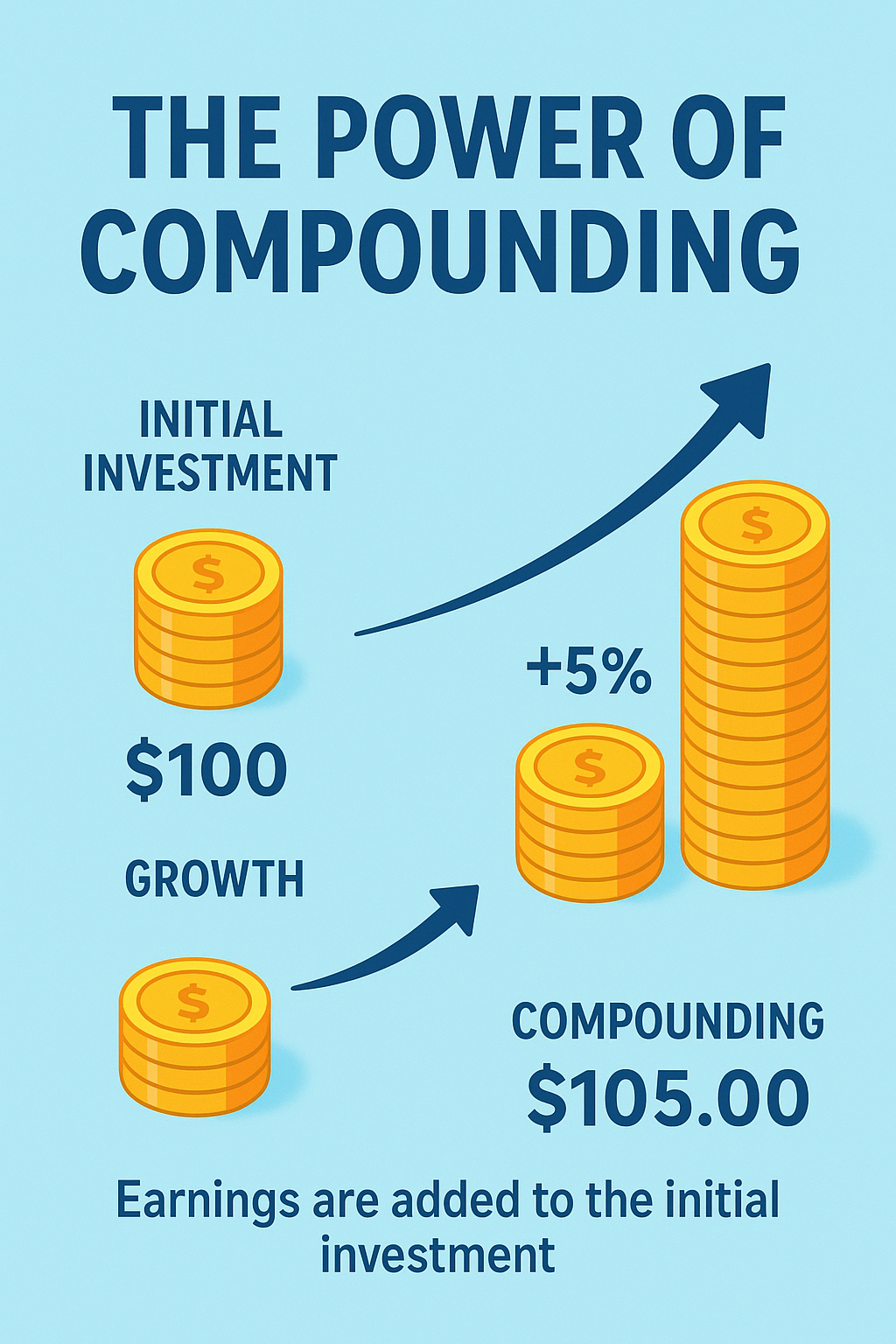
Read More
Prototyping Model — The Smart Way to Build Software Faster and Better
VAIBHAV MISHRA

By: VAIBHAV MISHRA

👁️ 252 unique views

Computer 22 Oct 2025
Prototyping Model in DBMS The prototyping model is an iterative process where a rough version of the system is developed quickly to understand user requirements better, then improved through multiple feedback cycles. Phases of the Prototyping Model Requirement Identification: Only basic or partial requirements are gathered. Focus is on what the user expects from the system. Develop a Prototype: A simple model or mock-up of the system is created. It may not have full functionality but shows design, input/output screens, etc. User Evaluation: The user interacts with the prototype and provides feedback. Any misunderstanding or missing features are identified. Refinement: The prototype is modified and improved based on user feedback. This process repeats until the user is satisfied. Product Engineering: Once requirements are clear, the actual system is developed using standard SDLC phases (design, coding, testing). Deployment & Maintenance: The final product is delivered, tested, and maintained. Types of Prototyping Throwaway (Rapid) Prototype: Built quickly to understand requirements. Discarded after feedback. Evolutionary Prototype: Continuously refined until it becomes the final system. Advantages Early visibility of the system. Better understanding of user needs. Reduces risk of major requirement changes later. Encourages user involvement. Disadvantages May lead to poorly structured systems if rushed. Users may confuse prototype with the final product. Frequent changes can increase cost and time. Not suitable for large, complex projects.
Read More